Portuguese
  Spanish


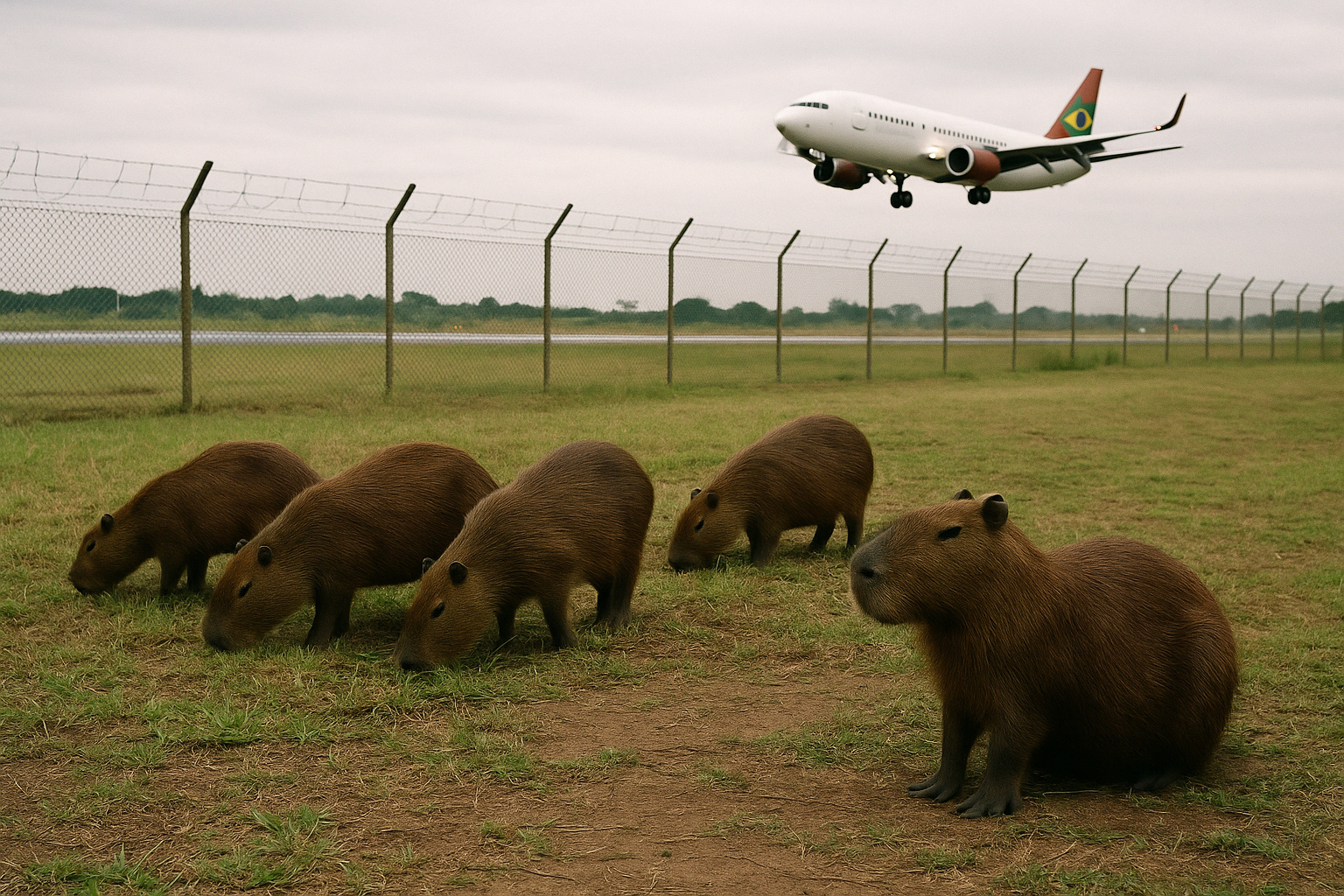


Wildlife Risk Guide Developed by UFSC in Partnership with the National Secretariat of Civil Aviation Points Out That Capybaras, the Largest Rodents in the World, Are Among the Species That Most Pose a Risk to Air Operations in Brazil, with Recent Reports in Airports in Different Regions.
Capybaras, considered the largest rodent on the planet, have gained unexpected attention in the aviation sector. A study published in the Species Management Risk Guide revealed that these animals now rank fourth among the most dangerous species for aviation safety in Brazil. This information was gathered by the Laboratory of Transportation and Logistics (LabTrans) of the Federal University of Santa Catarina (UFSC), in partnership with the National Civil Aviation Secretariat (SAC/MPor).
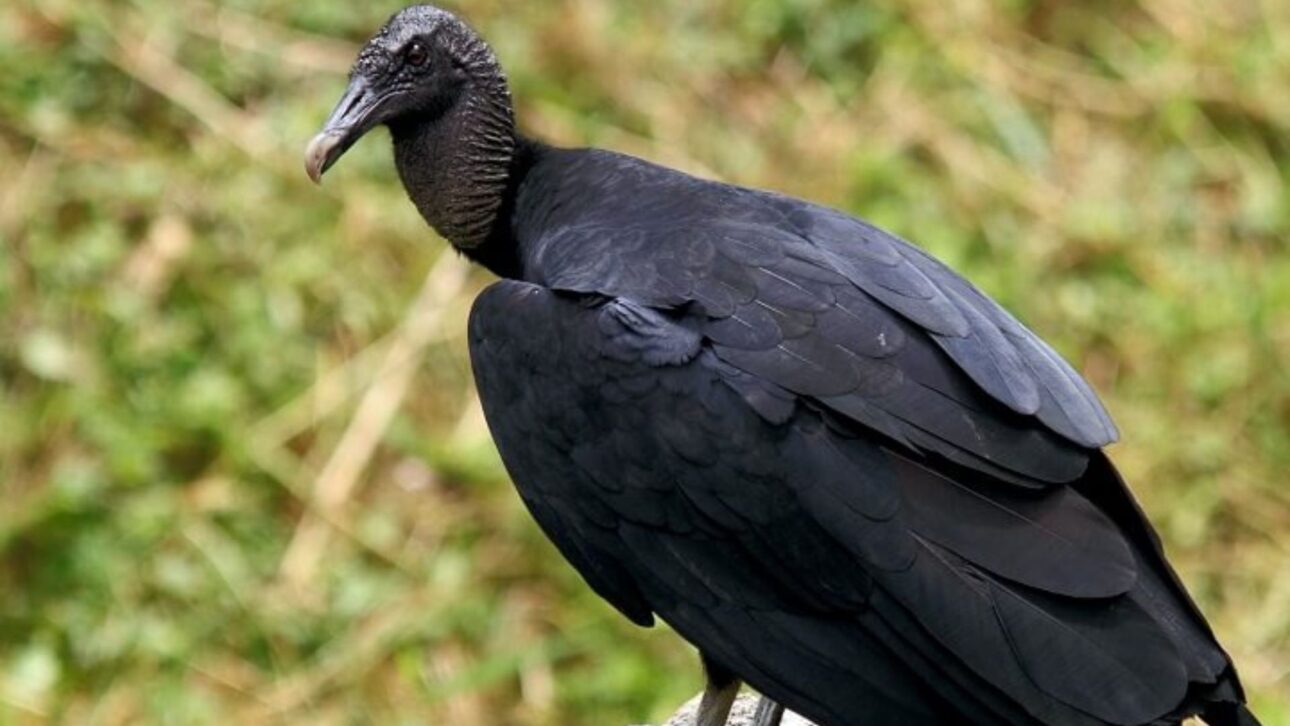
The survey was based on data from 2011 to 2024 from the National Civil Aviation Agency (ANAC) and DNA analyses of species involved in collisions. The Black Vulture leads the ranking, with over 600 occurrences across 120 airports, followed by other large birds.
The guide, created to assist wildlife teams at airports, lists 68 species at risk of collisions and classifies 30 of them as the most relevant for operational safety.
-
Brazilian Airport to Receive $2.8 Million Investment, Completion Expected Within a Year

-
UN Warns of AI’s Environmental Impact and Calls for Greater Corporate Transparency

-
Former Atacadão Employee Turns Online Cake-Baking Lessons into a Confectionery Brand with Factory, Store, Delivery, and Nearly $400,000 in Revenue
-
Brazilian Startup Sells Nearly 9 Million Surprise Bags of Near-Expiry Food, Prevents Thousands of Tons of Waste, Aiming for $42 Million Revenue by 2026




Collisions Involving Capybaras
According to the report, 33 collisions with capybaras were recorded since 2019, when these cases began to be officially reported. In five instances, there were damages or losses to aircraft. The landing phase was the most critical, with 19 reports, and go-arounds were the most common effect on flights, accounting for four episodes.
The occurrences were confirmed at 11 airports, including states such as Santa Catarina, São Paulo, Rio de Janeiro, Espírito Santo, Acre, and Pernambuco. The physical size of the animal increases the risk: a capybara can weigh between 27 kg and 91 kg, a much higher value than birds like the Black Vulture (1.18 to 3 kg) or the Seriema (1.40 to 2.20 kg).
To mitigate the risk, experts recommend measures such as fencing operational areas, monitoring drainage ditches, and barriers at runway thresholds.
Other Species and Comparisons
In addition to capybaras, the guide records the constant presence of vultures, herons, owls, swallows, pigeons, and even bats. The Black Vulture (Coragyps atratus) alone was involved in 617 collisions, with 280 resulting in damage.
An important point is that the volume of occurrences does not imply severity. The Southern Lapwing, for example, has a total of 5,939 recorded collisions but ranks only 37th due to its average weight of 277 to 426 grams, making the impact less damaging.
This difference helps explain why species with a larger body mass, like the capybara, stand out even with a lower absolute number of reports.
Proposed Legislation and Parallel Context
While the aviation sector strengthens barriers against wildlife risks, another parallel debate is taking place in Goiás, with the approval of the project that authorizes wild boar hunting. The animal, considered an invasive species, also poses risks both environmentally and operationally in some regions. The discussion on wildlife control highlights the complexity of balancing safety, environmental preservation, and human activities in strategic areas like airports.
Guide Details and Methodology
The guide provides morphological descriptions, gregarious behavior habits, diet, and main attractions of the species. The aim is to offer a practical and reliable tool for airport managers and aviation professionals, aiding in decision-making in risk situations.
The evaluation criteria considered collisions that resulted in light, severe damage, and even impact on flight, based on systematized data from ANAC.
In addition, DNA analyses allowed confirmation of species presence in episodes where there was no visual identification.
LabTrans and Its Role
The LabTrans/UFSC is responsible for the research and development of the material. The laboratory works on traffic engineering, logistics, air, rail, waterway, road, and urban transportation projects.
According to researchers, the presence of wildlife in airport areas is an imminent risk and requires constant monitoring. This phenomenon is known internationally as wildlife strike or bird strike.
The guide also highlights that the proximity to green areas, rivers, and urban environments influences the attraction of animals to airports. In the case of capybaras, the presence of drainage ditches and bodies of water near runways increases the risk of invasion.
Preventive Measures
Among the recommended actions, besides physical fencing, are educational campaigns in communities near airports, the use of planned vegetation barriers, and an emphasis on operational impact analysis.
The combination of strategies seeks to reduce both the number of collisions and the severity of episodes.
The information was detailed in a report by the Aeroin portal, which emphasized that the data from 2011 to 2024 provides an unprecedented view of the threats to national aviation.
In your opinion, what measures should be prioritized to reduce the risk of animal collisions at Brazilian airports: more fencing, technological monitoring, or actions with surrounding communities?