Portuguese
  Spanish


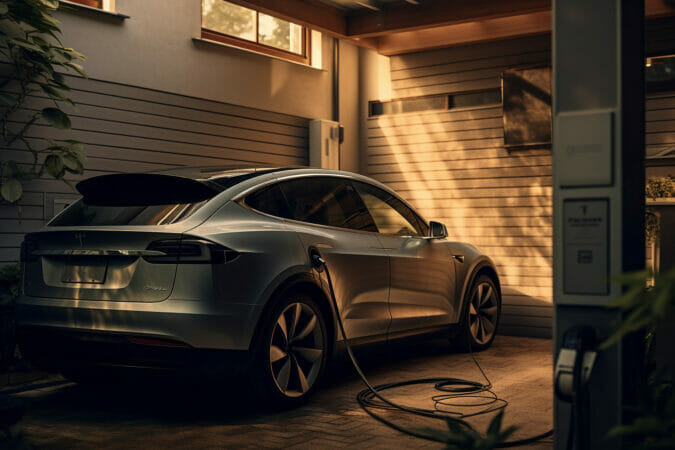

The Automotive Landscape Is Changing, and Electric Cars Are Increasingly Present in the Discussions and Garages of Brazilians.
Until recently, these vehicles were considered inaccessible for most, but things are taking a new direction. With models on the market ranging from R$ 120,000 to R$ 150,000, the electric car is starting to enter the wish list and possibilities of the middle class.
But what many people still haven’t realized is that owning an electric car goes beyond the simple act of purchase; it modifies your daily routine.
The Brazilian Scenario of Electric Cars
Among the more affordable options available in Brazil, we have the Chery i-Car for R$ 119,990, followed by the Renault Kwid E-Tech (R$ 139,990), the BYD Dolphin (R$ 149,800) and the GWM Ora 03 (R$ 150,000). Each of these cars has its particularities, such as motor power, battery capacity, and range, but all represent a paradigm shift in the Brazilian automotive world.
-
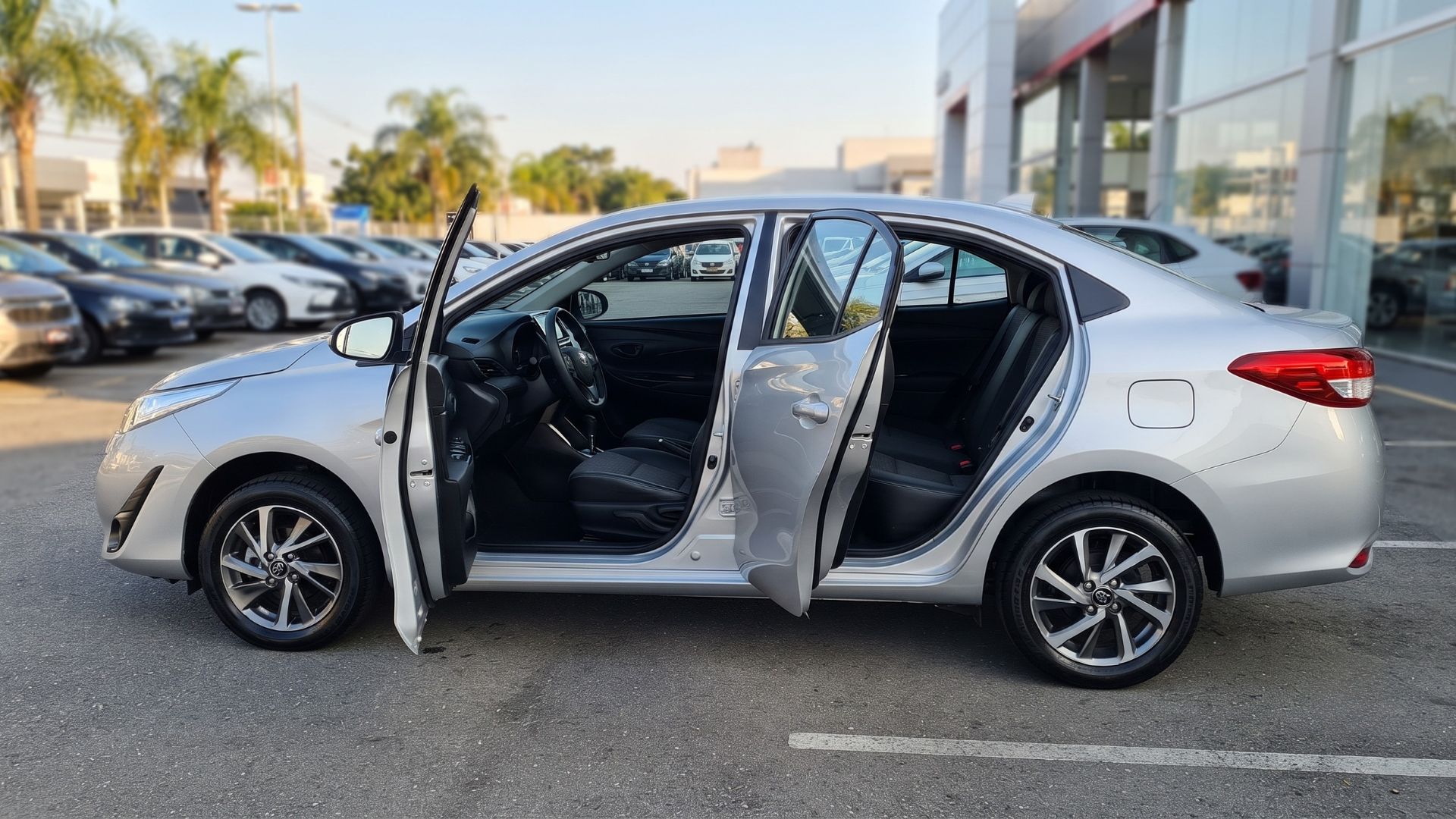
Automatic, economical, and known for reliability: with a 1.5 engine of up to 110 hp, CVT transmission, seven airbags, and fuel consumption of up to 15.9 km/l, this used hatchback appears as a rational alternative to Polo, HB20, and Onix; meet the Toyota Yaris XLS 2020.

-
He surpassed the Tera, Creta, and Tracker: With a TSI engine of up to 150 hp, 6-speed automatic transmission, and a 373-liter trunk, the Volkswagen T-Cross was the best-selling SUV in June, with 11,753 registrations.

-
It looks factory-made, but it came out of a workshop: a mechanic from Pernambuco builds a handcrafted “mini Toyota,” drives it through the streets, and the video goes viral on social media, leaving residents astonished.
-
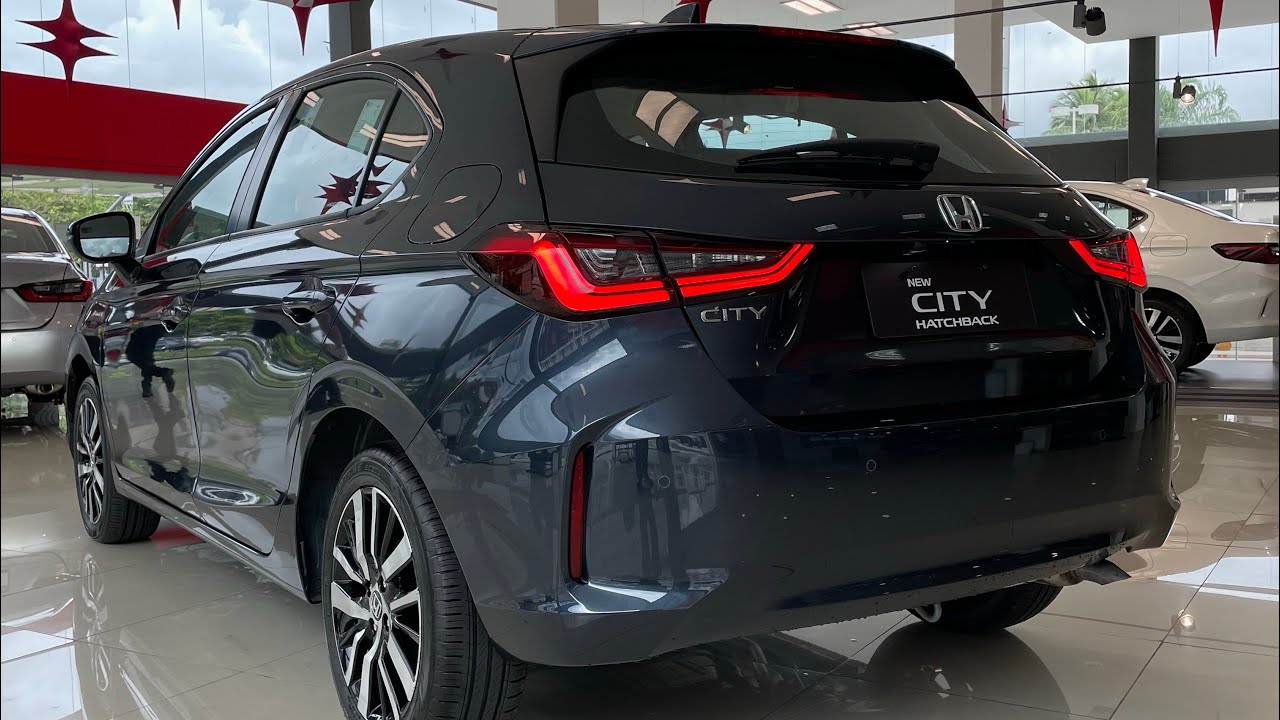
Hatch with sedan space and 1.0 car consumption: equipped with a 1.5 engine with 126 hp, CVT transmission with seven simulated gears, and consumption of up to 17.4 km/l, this used Honda delivers technology, comfort, and reliability; meet the 2022 Honda City Hatch Touring.


Financial and Environmental Impacts
The cost of charging is one of the major attractions. An example is the BYD Dolphin, which has a full charging cost of approximately R$ 45, allowing for a range of about 400 km. In a scenario where fuel prices keep rising, this is a significant advantage.
And of course, we cannot forget about the environmental impact. Even with some controversies, it is undeniable that the electric car contributes to the reduction of pollutant emissions, a factor increasingly crucial in the fight against climate change.
Infrastructure Challenges: Are You Prepared?
Before investing in an electric car, it is essential to assess whether your home or condominium has the necessary infrastructure for charging. This can be quite simple for those living in more modern residences but a real puzzle for those without a power outlet near the parking space, for example.
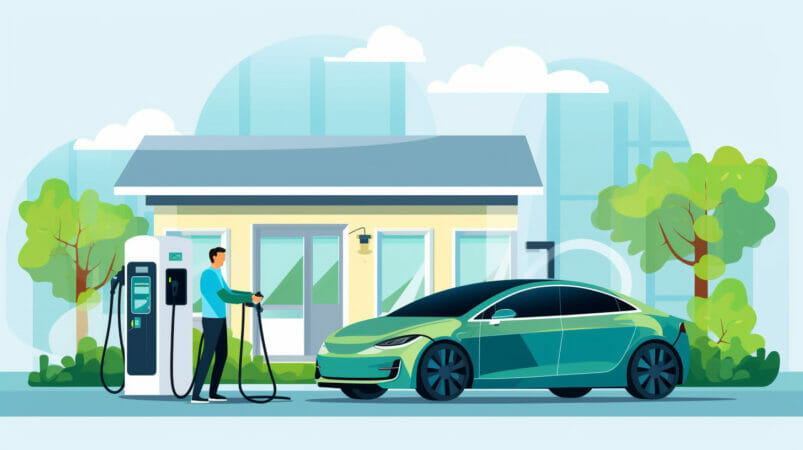
Charging Infrastructure in Establishments
Additionally, the idea that one can rely solely on charging at shopping malls or supermarkets is a myth. These charging points are often not very efficient and can make the process more expensive than it seems at first glance.
And if you are the type who loves to travel by car, be prepared: finding charging stations can be a challenging mission in some regions of the country. This makes the electric car more viable, for now, as a secondary family vehicle, mainly aimed at urban use.
Adapting to an electric car requires small changes in driving habits, such as using deceleration and braking more efficiently, taking advantage of energy regeneration systems.
Review of the New BYD Dolphin