






 Portuguese
  Spanish


A Curious And Bold Test Used Unconventional Fuels In The Tank Of A Flex Car: Kitchen Alcohol And Even Cachaça. The Idea Was To Discover If, In An Emergency Situation, These Substances Could Make The Engine Work. The Results Were Surprising.
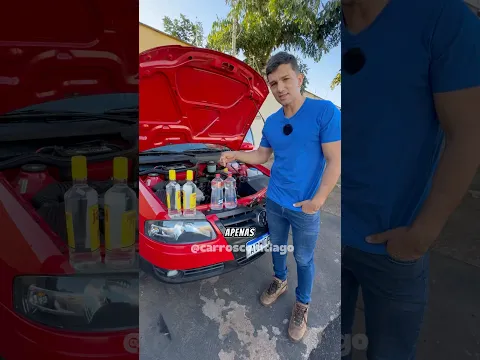
An experiment conducted by the channel “Cars With Tiago” tested a question many have had: can a flex car run on cachaça or kitchen alcohol? The answer was provided in practice — with surprising results.
Test Preparation
The test began with the careful preparation of the car’s fuel system.
The entire fuel line was emptied, and the engine was started with regular automotive alcohol to ensure it was operational.
-
Suzuki Jimny Nomade 5-Door: A Rugged Family SUV with 1.5L Engine and 4WD, Priced Around $18,000 in Brazil

-
Suzuki XL6: Affordable Premium Minivan in India Offers Seating for Six, Hybrid Engine, and Impressive Fuel Efficiency

-
Banco do Brasil and Uber Launch Cashback Program Offering Up to 3.5 Loan Installments Back, Drivers Gain Access to New Cars Worth Up to $30,000 Through Move Brasil Initiative

-
Looking for a Car for Dirt Roads? Fiat Uno, Strada, and Volkswagen Gol Offer Durability and Affordability




After confirming that everything was in order, the line was emptied again to start the first phase of the experiment.
First Test: Kitchen Alcohol
The first alternative fuel tested was kitchen alcohol.
Two liters of the liquid were placed in a makeshift small reservoir. The fuel pump was activated, and then the engine was started.
To the surprise of many, the car ran normally. The engine responded well, and it was even possible to accelerate. According to Tiago, “it runs“, although he warned that the continuous use of this type of fuel may damage the vehicle.
Still, in an extreme situation, it seems to be a viable alternative — albeit temporary.
Second Test: Cachaça
In the second part of the test, it was time for cachaça. The fuel line was emptied again, and 2 liters of the drink were placed in the same reservoir.
The pump was activated, and the car was started.
Once again, the engine started. However, the operation was quite different. The car had stalls, hesitations, and low response to the accelerator. “It’s not running very well,” said the presenter.
Still, the experiment confirmed: with cachaça, the car also starts.

Test Results
Although the tests were successful, the channel warned of mechanical risks.
The use of kitchen alcohol or cachaça IS NOT RECOMMENDED, but in an extreme emergency, it may work — although with limited performance and possible consequences for the engine.


