Portuguese
  Spanish


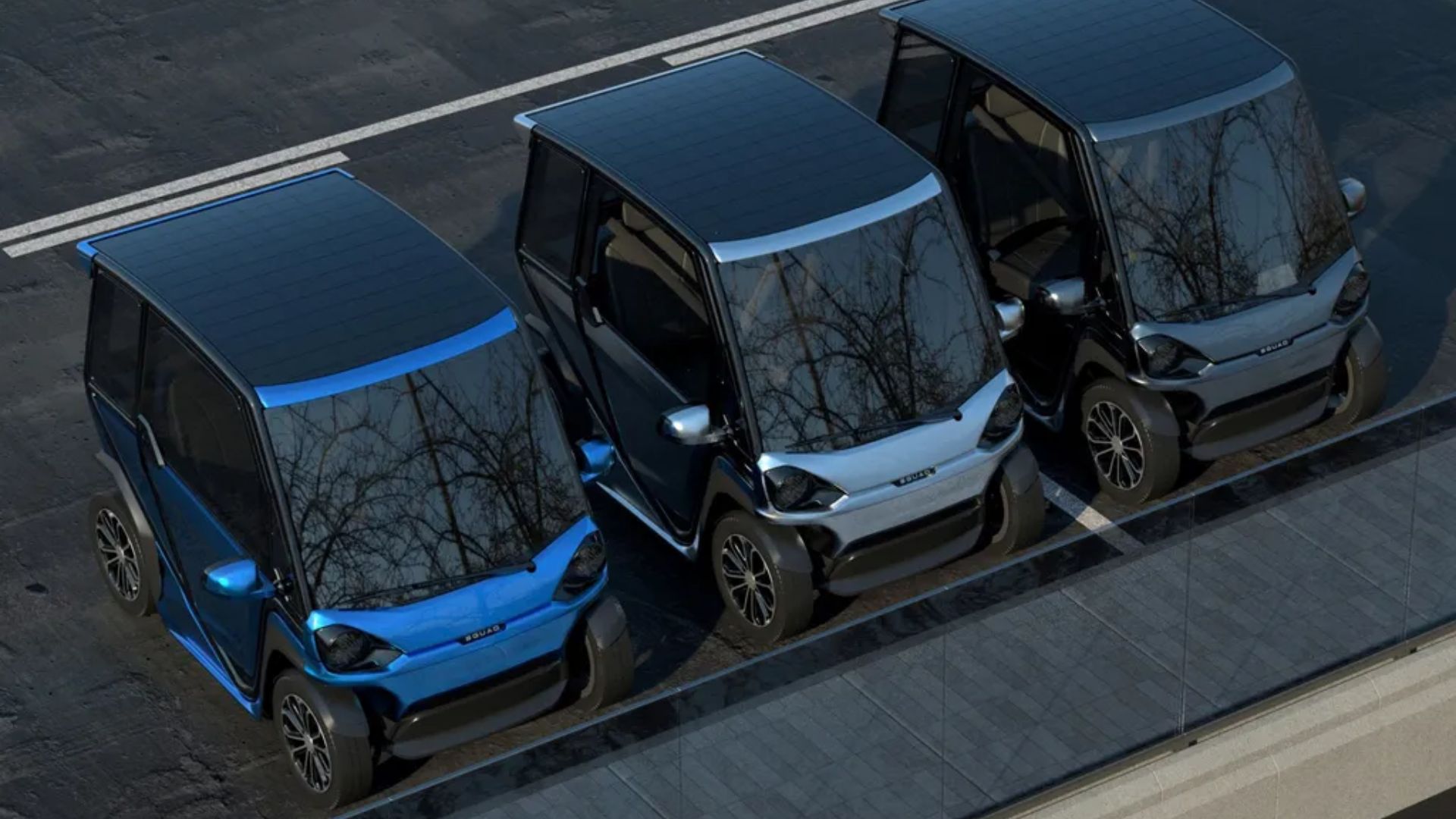


Squad Mobility Solar Car Harnesses Solar Energy With Integrated Panels, Reaches 70 Km/h And Seeks To Capture The US Market With A Sustainable And Low-Cost Solution
The Dutch company Squad Mobility announced the launch of a solar car priced at US$ 6,250, which uses photovoltaic panels installed on the roof to recharge autonomously. The compact vehicle, classified as low-speed according to U.S. standards, promises a range of up to 100 kilometers and a maximum speed of 70 km/h, offering a sustainable alternative in light of the growing demand for clean solutions in the automotive sector.
The model will initially focus on urban use and sharing platforms, according to information from the company itself. The debut in the U.S. is expected to occur later this year, expanding the reach of the technology already circulating in European countries. The proposal seeks to reduce emissions and congestion in large cities, focusing on short-distance commutes.


According to the manufacturer, the car differs from options powered by hydrogen or traditional electricity by incorporating solar energy directly. The technology mimics the photosynthesis process of plants, converting light into energy to automatically recharge the batteries without immediate need for outlets or gas stations.
-
2027 Toyota Corolla Cross Unveiled: New Design, Enhanced Fuel Efficiency, Reduced Maintenance Costs, Advanced Technology, Connected Services, and Up to 10-Year Warranty

-
Fiat Cronos Precision 2018: Affordable Sedan with Spacious Trunk and Reliable Maintenance
-
Volkswagen to Cut Production by 1 Million Cars by 2030, Reducing Jobs and Platforms, Focusing on More Profitable Models

-
Toyota Launches First 100% Electric Car in Brazil: bZ4X with 343 HP, All-Wheel Drive, 361 km Range, Priced at $419,990 BRL, Limited to 99 Units




Alternatives Beyond Traditional Electrification
The automotive sector has been dominated by the advancement of plug-in electric vehicles, but other solutions are gaining traction. Among them, hydrogen fuel cell engines are often pointed out as a promising alternative, especially in areas where electrification is not feasible, such as aviation and heavy transport.
Still, startups like Squad Mobility are betting on complementary technologies, presenting new mobility options that can meet specific niches. The solar car, for example, does not aim to compete in long-distance travel, but rather to address urban demands in a practical way with very low operational costs.
According to the company, the solar panel can provide enough energy for short daily trips, making the model appealing for sharing fleets in urban centers. The charge can be supplemented by conventional electric energy if the user needs more range.
How The Squad Solar Car Works
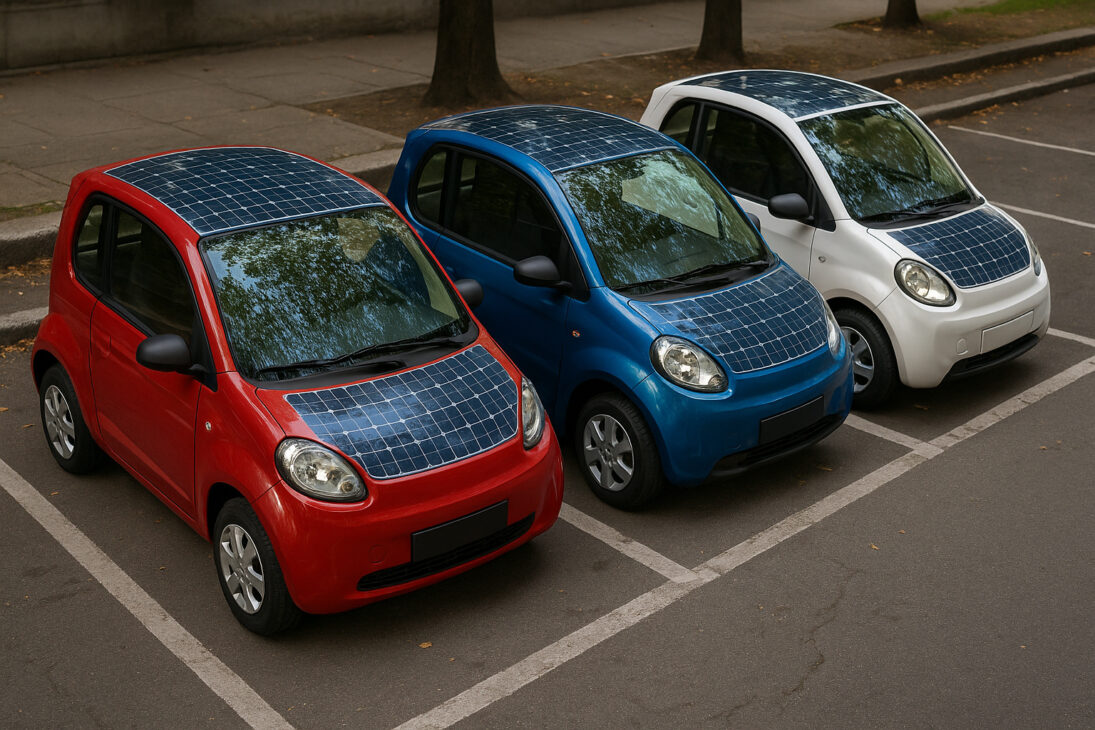
The vehicle has space for two occupants and is equipped with batteries that store the energy captured by the solar panels. With a lightweight design and compact structure, it can travel on urban roads at speeds of up to 70 km/h, depending on the chosen version.
The L6 version offers speed limited to 45 km/h, while the L7 model achieves the maximum anticipated speed. The range varies between 100 km per full charge, considering the combination of solar energy and external electric recharging.
According to an article published by the portal Ecoticias, Squad Mobility emphasizes that its goal is to offer an affordable and practical car, capable of operating independently of fossil fuels and even the power grid under certain conditions.
Impact on Urban Mobility
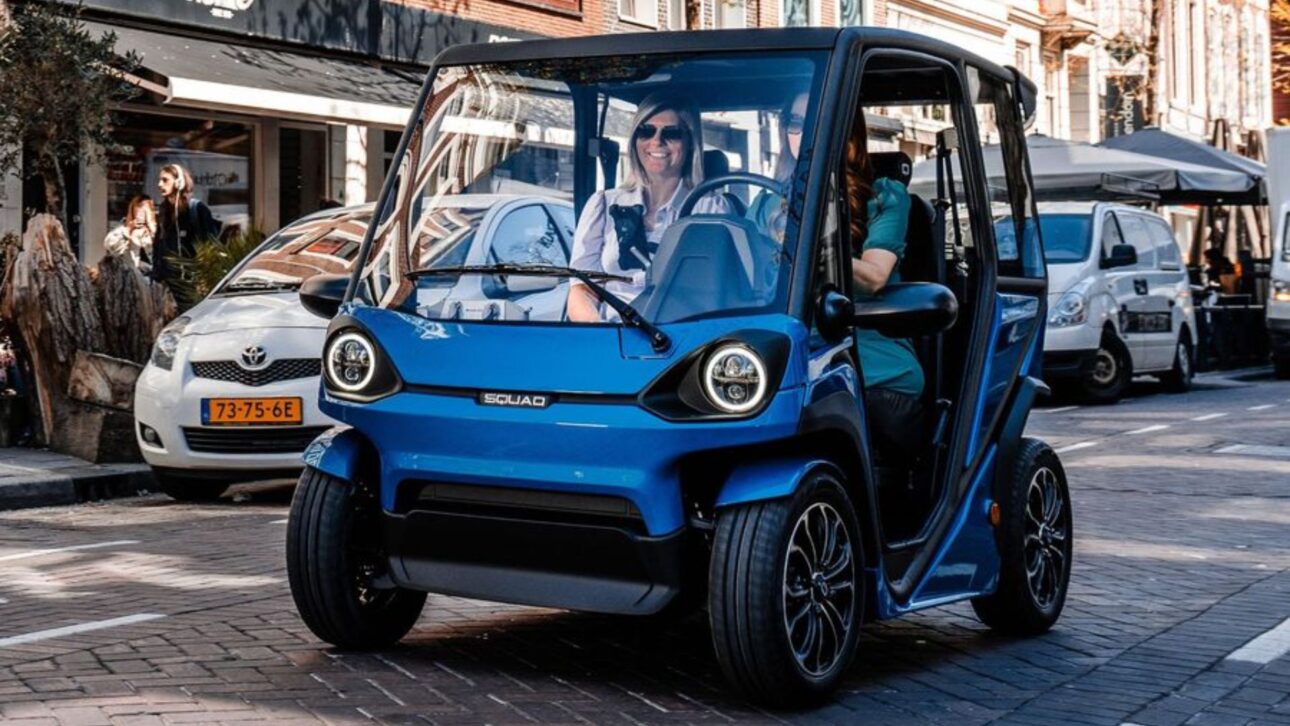
The introduction of this type of technology can broaden the range of alternatives for cities facing challenges related to traffic, pollution, and greenhouse gas emissions. Additionally, the relatively low entry price compared to other electric vehicles may attract consumers concerned about sustainability.
Another important factor is the possibility of integration into vehicle sharing programs, reducing the need for individual ownership and encouraging collective use. This business model is already a trend in several global capitals.
At the same time, experts point out that the consolidation of technologies like hydrogen, battery electrification, and now solar energy expands the prospects for a transforming sector. Each solution tends to occupy a specific space within the transport ecosystem.
Future of Smart Mobility
While companies like Squad bet on the solar car, giants like Tesla and Amazon continue to develop programs for autonomous vehicles, currently being tested in cities like Austin, United States. The advancement of automation raises legal and ethical discussions about responsibility in accidents and the role of the driver in the near future.
Thus, the combination of new energy sources and autonomous driving points to a radical change in how cities will organize urban transport.
The Squad solar vehicle, despite its limitations in range and speed, represents a milestone in the diversity of solutions entering the market and shows how the competition for alternatives to fossil fuel goes far beyond the rivalry between electrification and hydrogen.