






 Portuguese
  Spanish


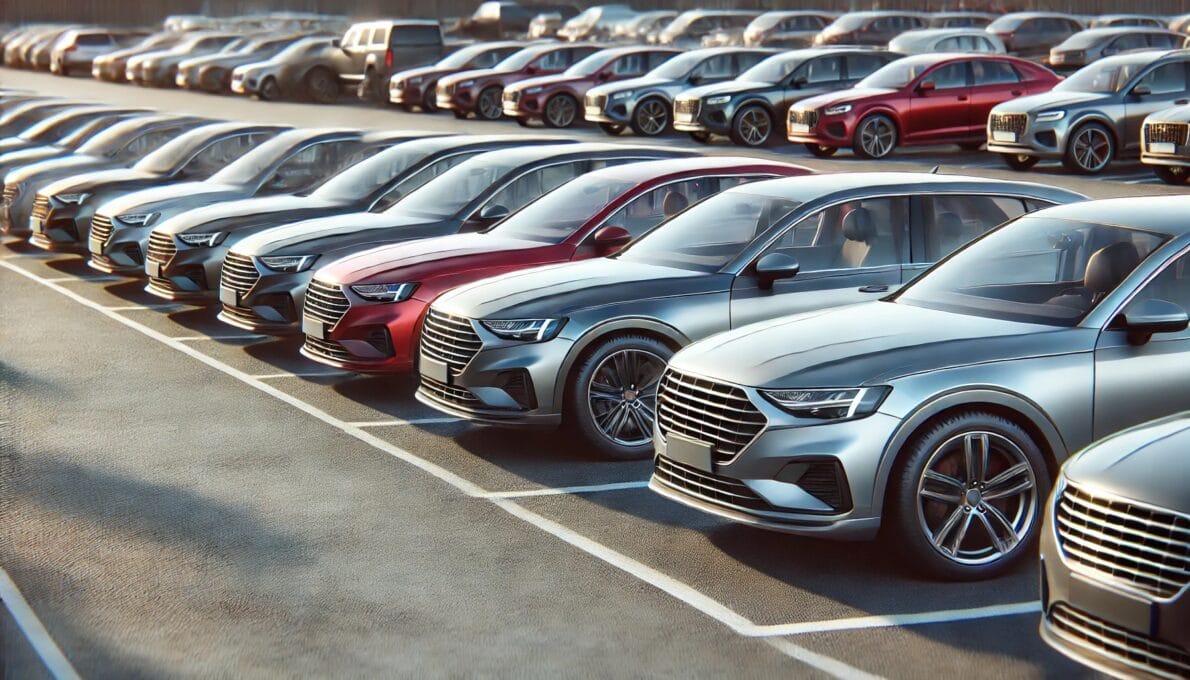
Used Car Market Grows As The Dream Of A New Car Becomes More Distant For Many Brazilians. Discover Why More Consumers Are Opting For Used Cars.
Over the last 10 years, the used car market has shown remarkable growth, while sales of new vehicles have plummeted. The combination of economic factors, rising prices of new cars, and additional costs such as taxes and insurance has led Brazilians to seek more affordable and advantageous options in used cars. In this article, we will explore why the new car is increasingly out of reach for the population and how used cars have become the best option for many drivers in Brazil.
When Did The Used Car Market Start To Expand?
A decade ago, the vehicle market in Brazil had characteristics that today seem distant. In 2014, the number of new cars registered between January and August exceeded 2 million units. At the same time, the used car market was already starting to show its relevance, with over 6 million vehicles being traded in that same period.
Although the used car market was already significant, the difference compared to new cars was not so striking at that time. Access to vehicle financing was relatively easier, with controlled interest rates and terms that allowed consumers to plan the purchase of a new car.
-
Volkswagen to Cut Production by 1 Million Cars by 2030, Reducing Jobs and Platforms, Focusing on More Profitable Models

-
Toyota Launches First 100% Electric Car in Brazil: bZ4X with 343 HP, All-Wheel Drive, 361 km Range, Priced at $419,990 BRL, Limited to 99 Units

-
Chinese SUV Achieves 24.4 km/l, Outperforms Toyota Yaris Cross in Real-World Tests with 224 hp Hybrid System, Offers 51-Liter Tank for Greater Range, and Costs Up to R$ 5,000 Less.
-
Uber Black Revamps Fleet, Drops Ten Car Models and Sets Deadline for Electric BYD Dolphin


Additionally, incentive programs for the automotive industry helped stabilize the prices of new vehicles. The result was a significant portion of consumers opting for vehicles coming straight from the factory, even with used options available.
Understand The Growth Of The Used Car Market
However, the scenario began to change, and the economic crisis and financial instability that marked the following years directly affected the purchasing power of Brazilians, which had a direct impact on the new car market, leading to growth in the used car market.
Over the years, the vehicle fleet in Brazil began to age rapidly, and this phenomenon is directly linked to the decrease in new car sales and the increase in negotiations for used vehicles. Today, it is common to see cars with more than 10 or even 15 years of use circulating the streets, and this reality brings a series of challenges such as rising maintenance costs and the negative impact on vehicle safety and efficiency.
What many do not realize is that the aging fleet also directly affects fuel consumption and pollutant emissions, as older cars tend to use more fuel, and, without proper maintenance, this consumption can increase even more, harming both drivers’ wallets and the environment.
Purchasing Power Of Brazilians Is Affected
The decline in purchasing power of Brazilians is one of the main factors explaining the growth of the used car market in recent years. To understand the magnitude of this problem, we need to go back to the scenario of 2014.
At that time, the minimum wage was R$ 724 and the best-selling car in Brazil, the new car Volkswagen Gol cost a little over R$ 30,000. This was equivalent to about 41 minimum wages.
Fast forward to 2024, the minimum wage increased to R$ 1,321, but the prices of vehicles rose disproportionately. Today, the best-selling new car, the Volkswagen Polo, costs approximately R$ 87,000, which is more than 60 minimum wages.
In practical terms, Brazilians need much more income today to acquire a new car than they did 10 years ago, making the dream of a new car a distant reality for much of the population. This absurd difference between income and car prices directly affects consumer choices, and people are choosing used vehicles not because it is their preferred option, but because it is the only accessible choice for many.





Be the first to react!