Portuguese
  Spanish




Focused on Efficient Urban Consumption, Affordable Maintenance, and Reliable Mechanical History, Hyundai HB20 and Honda City Stand Out Among Cars Up to R$ 45,000 for 2026, Serving Drivers Who Prioritize Financial Predictability and Daily Use Without Surprises
Cars up to R$ 45,000 appear as a rational choice for 2026 by combining controlled consumption, affordable maintenance, and stable mechanical history, with highlights for Hyundai HB20 and Honda City, noted for their costs, performance, and durability.
The search for vehicles up to R$ 45,000 prioritizes low operational cost, balanced consumption, and lower mechanical risk, factors considered decisive for those who desire financial predictability and daily use without significant surprises.
Within this scenario, urban consumption, reliability of the mechanical set, and maintenance costs weigh more than aesthetic items, directing choices towards consolidated models that are widely known in the national market.
-
Rolls-Royce Turns Heads with 30-Inch Floating Wheels, 6.6-Liter V12 Engine, and 563 Horsepower

-
2019 Kia Sportage EX: A Spacious and Cost-Effective SUV with 2.0 Flex Engine and Panoramic Roof
-
Fiat Strada Becomes Top Seller in June, Surpassing Onix, Polo, Hilux, and T-Cross with 107 HP Engine and 732 km Range.

-
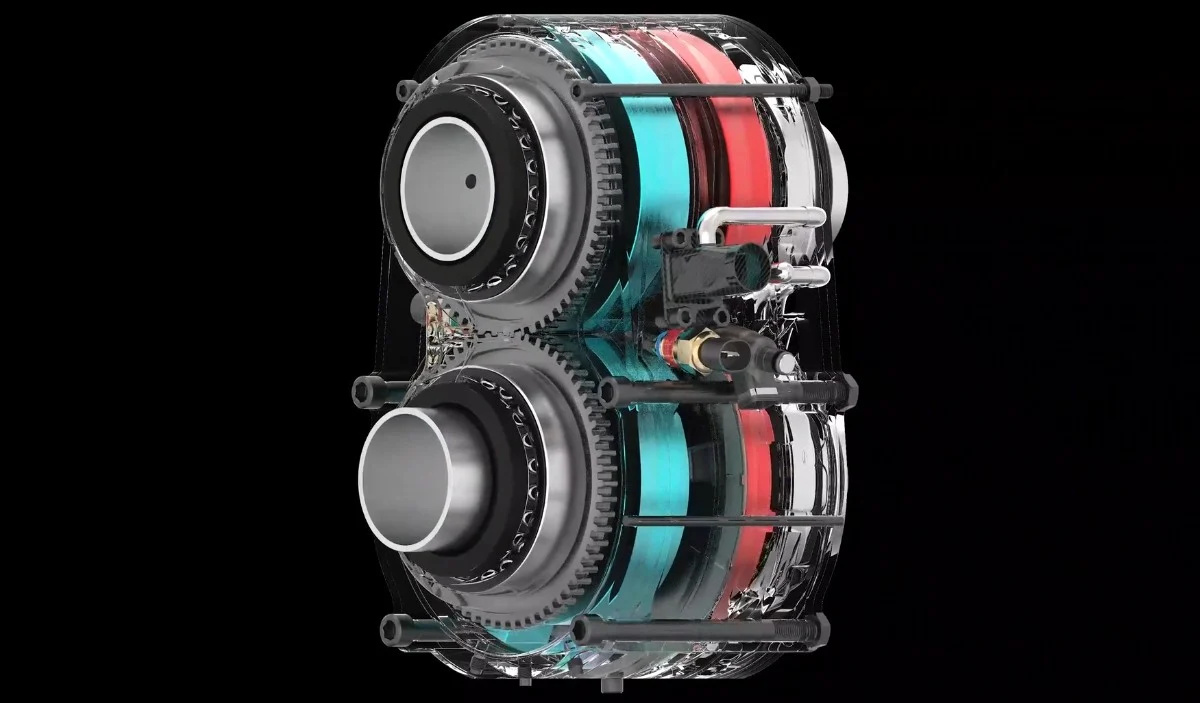
Suitcase-sized hydrogen engine spins at 25,000 rpm, nearly doubling the efficiency of conventional cars and replacing exhaust smoke with water vapor


Hyundai HB20 as the Main Option
The Hyundai HB20 emerges as the most rational option in this range, featuring a reliable 1.0 engine and a 1.6 four-cylinder alternative, recognized for greater durability and more consistent performance over time.
The reported consumption is around 10.5 in the city and up to 15 on the highway, numbers considered adequate for everyday use, maintaining a balance between economy and performance on different routes.
Another highlighted point is the automatic transmission from 2013 onwards, noted as safe and without a history of chronic problems, reinforcing the perception of reliability for the model in 2026.
Positive and Negative Aspects of the HB20
Even in basic versions, the HB20 already delivers a good level of equipment, increasing its attractiveness for those seeking practicality without raising initial or recurring ownership costs.
Among the negative points, there are the low front, which scrapes easily, and the clutch, which may show early wear, aspects that require attention in daily use and purchase.
Maintenance Costs of the HB20
Maintenance is considered affordable, with shock absorbers around R$ 530 and brake pads for R$ 115, values that help keep the budget predictable over time.
These costs reinforce the rational proposal of the model, reducing financial impact during common revisions and exchanges, even with frequent use in urban environments.
Honda City 1.5 as an Even More Rational Alternative
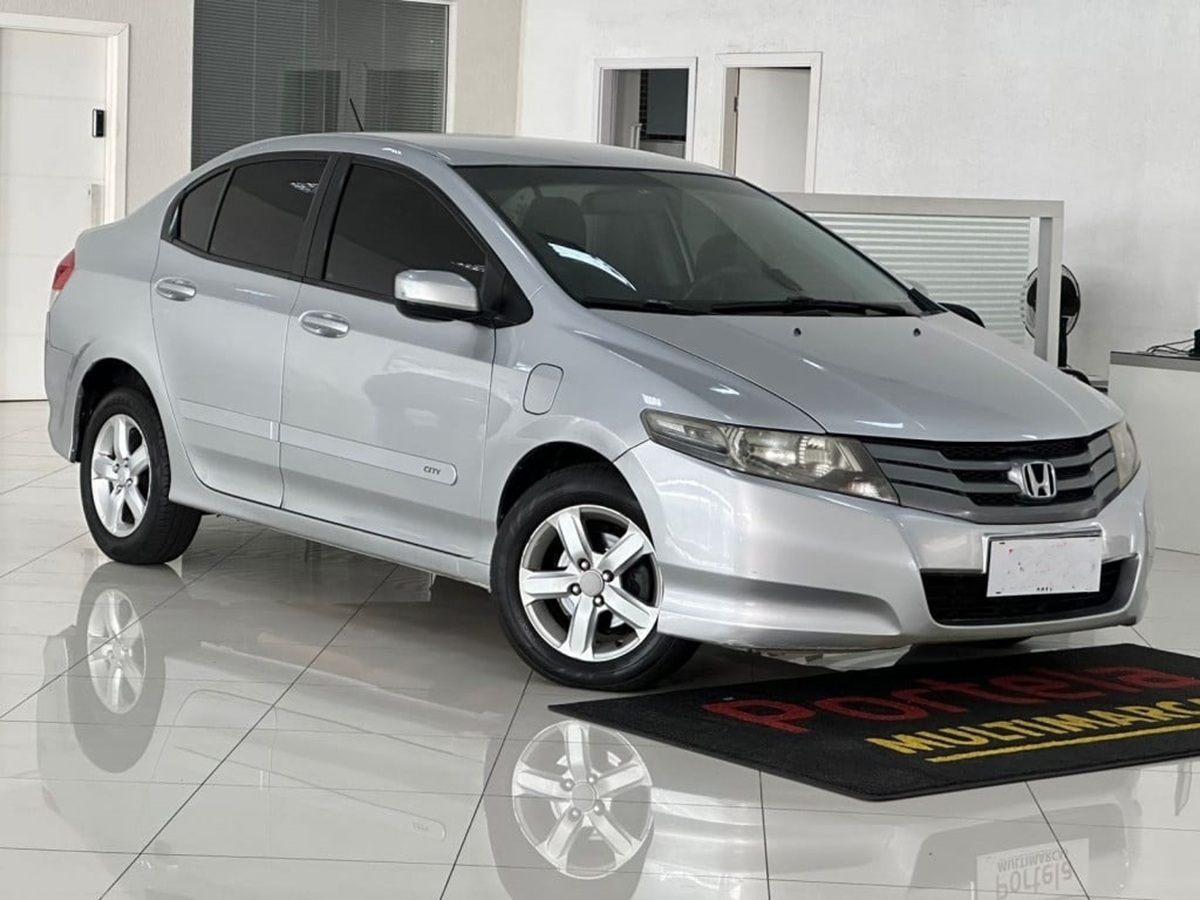
For those seeking even more rationality, the Honda City 1.5 appears as an alternative, offering a trunk larger than that of the same-year Civic and a mechanical set recognized for reliability.
The engine uses a timing chain and indirect injection, a combination associated with lower complexity, while the reported consumption is 9.5 in the city and 15 on the highway.
Costs and Closure of the City
The parts for the City are described as straightforward, with shock absorbers for R$ 800 and brake pads for R$ 190, maintaining a controlled maintenance standard for prolonged use.
With these numbers, HB20 and City concentrate rational choices up to R$ 45,000 for 2026, prioritizing balanced consumption, mechanical durability, and less hassle for the owner.