Portuguese
  Spanish


Preference Leads: Autonomy at the Top of Expectations
According to studies, 43% of drivers in the United States want their vehicle to drive itself on highways.
This desire remains even with the need for human supervision, such as in GM’s Super Cruise and Ford’s BlueCruise systems.
Moreover, 38% aspire for full autonomy. This means that the car moves between points without the driver’s permanent intervention.
Another 37% prefer an intermediate mode, with the option to take control when they wish.
This shift is remarkable because, in 2024, advanced assistance technologies rarely appeared among the most sought-after features.
Simple features, such as automatic rear brakes, ranked lower than even aesthetic or comfort accessories.
-
Electric Revolution: Watts W125 Motorcycle Offers 160 km Range, 90 km/h Speed, and Affordable Price Starting at $3,000

-
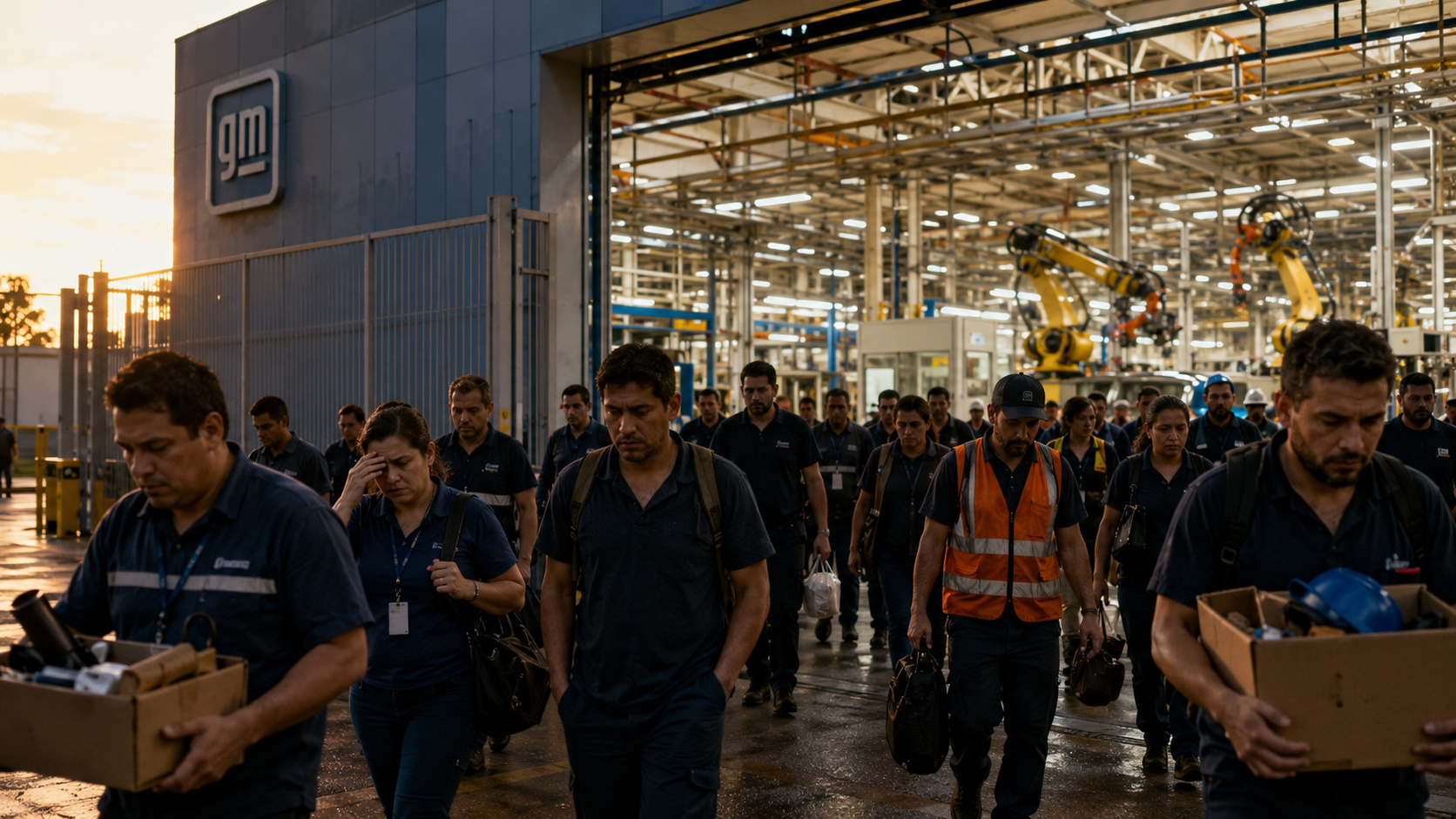
General Motors Replaces Over a Thousand Workers with 50 Cobots at Electric Vehicle Plant, UAW Union Criticizes Move Amid Industry’s Automation Push

-
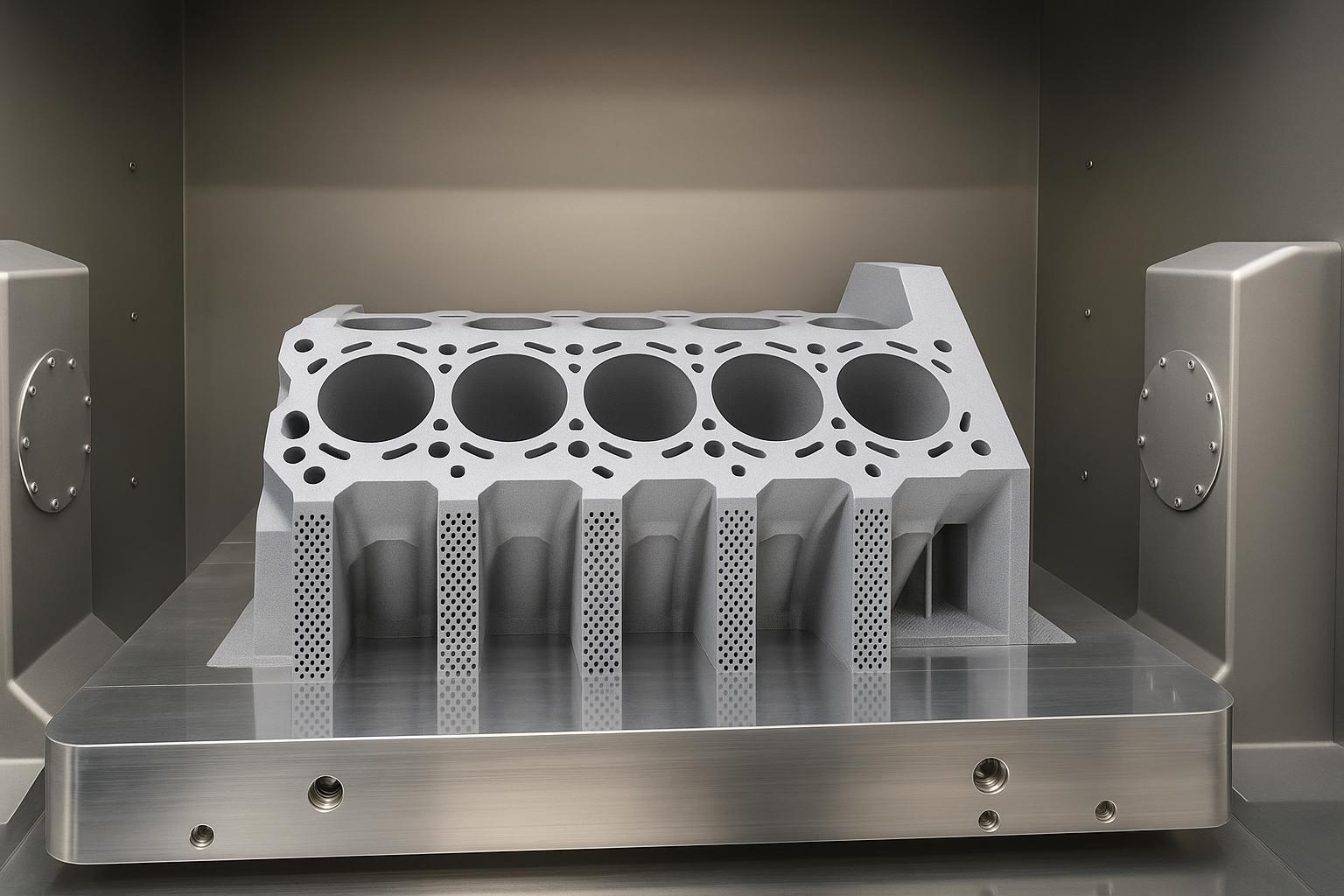
Bosch and Nikon 3D Print Entire Aluminum V8 Engine Block, Sparking New Competition in the Automotive Industry

-
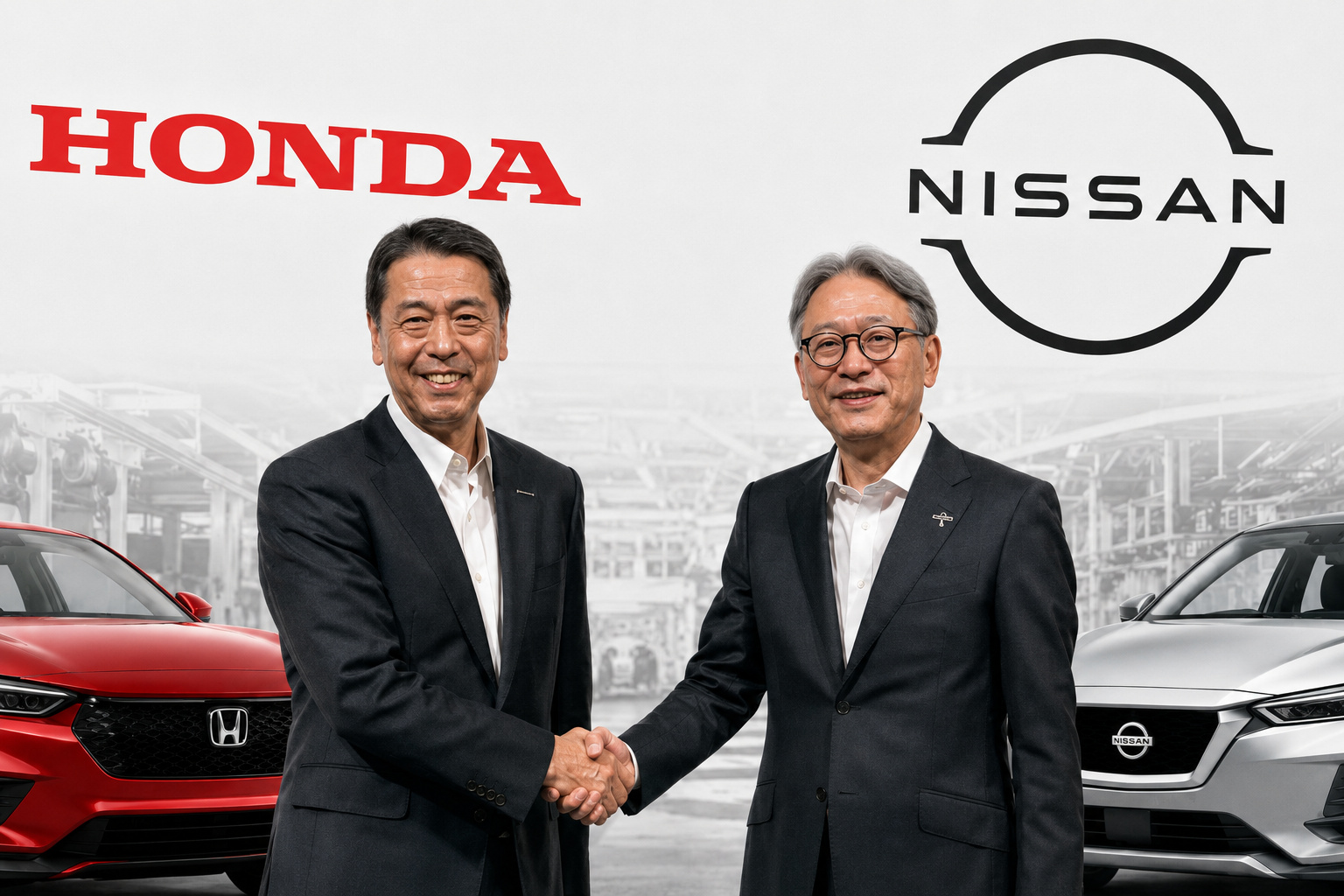
Honda and Nissan Form Alliance to Tackle Competition from Chinese Automakers After $9 Billion Loss

Why Interest in Self-Driving Cars is Growing
First, because knowledge about these technologies has increased significantly.
As more people hear about assists like lane-keeping, cross-traffic alerts, and obstacle avoidance, greater awareness arises.
Consequently, the desire for these features among drivers also grows.
Additionally, older drivers show a special interest in this technology.
They see it as a way to compensate for natural age-related limitations, such as reduced visibility.
Therefore, these systems become especially attractive to this demographic.
Reality vs Expectation: How Far Does Autonomy Go Today
Despite the enthusiasm, no manufacturer currently markets vehicles with level 5 autonomy.
This level represents total control, with no need for human supervision in any circumstance.
The only recognized system that reaches level 3 is Mercedes-Benz’s Drive Pilot.
This system allows the driver to take their eyes off the road in certain situations.
All other systems — such as Ford’s BlueCruise, Nissan’s ProPilot, or BMW’s — require constant attention from the driver.
Impact and Future Challenges in This New Obsession with Autonomy
The growing desire for hands-free driving promises to profoundly change the relationship between driver and machine.
However, this transformation brings technical, regulatory, and safety challenges.
Even with advanced systems, recent accidents show that neglecting human supervision can have serious consequences.
Manufacturers of electric vehicles, such as Rivian and Lucid, are at the forefront of incorporating autonomous systems in their launches.
However, Tesla remains the focus of controversy, particularly with its Full Self-Driving system.
This feature faces ongoing criticism and even legal challenges in various countries.