Portuguese
  Spanish


The Mitsubishi Delica D:5 appears in Japan as a diesel 4WD minivan, with an official price starting at ¥4,510,000, approximately R$ 143,000 in direct conversion. The model offers 7 or 8 seats, a premium interior, and a family-friendly proposal for snow, mud, and rough roads without Brazilian import tax calculations.
Mitsubishi maintains the Delica D:5 in Japan, a diesel 4WD minivan that stands out for combining a family-friendly proposal, robust appearance, and the ability to tackle difficult conditions. In direct conversion, the entry-level version starts at around R$ 143,000, without Brazilian taxes.
The model is sold in the Japanese market and appears in the brand’s official lineup in 2026 with options for 7 or 8 seats. The comparison with the Tiggo 8 Pro is striking because the SUV sold in Brazil starts at a higher price, while the Delica D:5 bets on another concept: adventurous minivan, 4WD traction, and diesel engine.
A minivan that seems to escape the urban standard
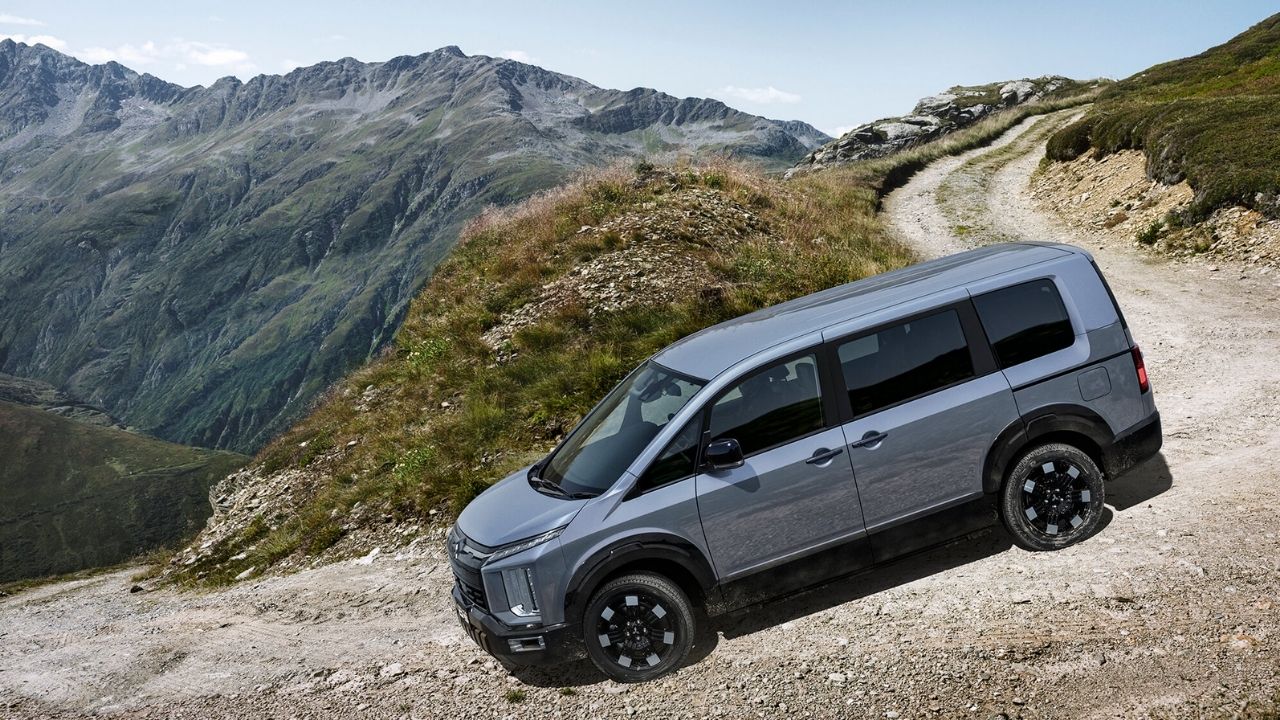
The Mitsubishi Delica D:5 does not exactly follow the logic of common minivans. Instead of focusing solely on urban comfort, the model was designed to convey strength, family use, and the ability to drive on more challenging terrains.
-
1983 Chevrolet Runs Over 100,000 km Without Gasoline, Powered by Wood Chips, Reaches 125 km/h in Airport Test

-
Workshop Converts Giant Tractor Tire Tricycle into a Three-Wheel Drive Hybrid with 36,000-Watt Electric Motor Capable of Climbing Hills

-
Sales of Brazil’s Cheapest Electric Car Halted Before First Deliveries: E-Motors Suspends Emova Easy Due to Import Tax Increase and Rising Freight Costs

-
Nissan Discontinues Qashqai SUV Amid Cost-Cutting, Chinese Competition, and Product Line Review


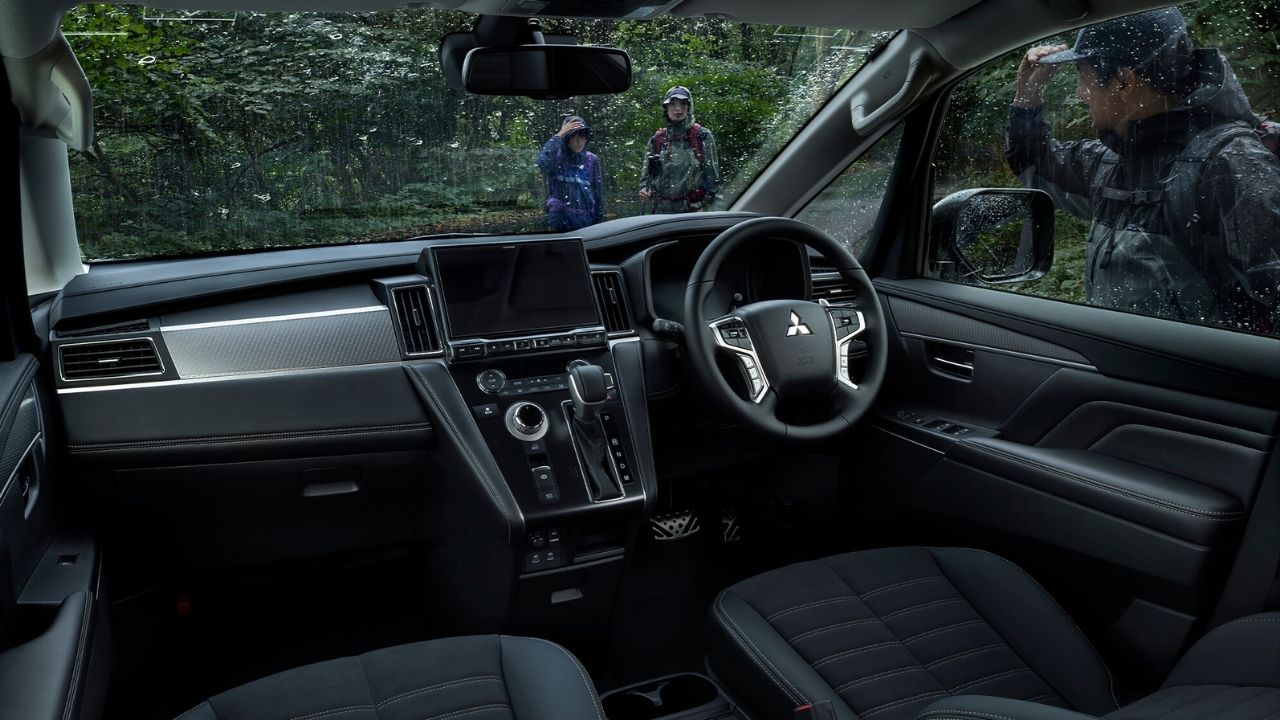
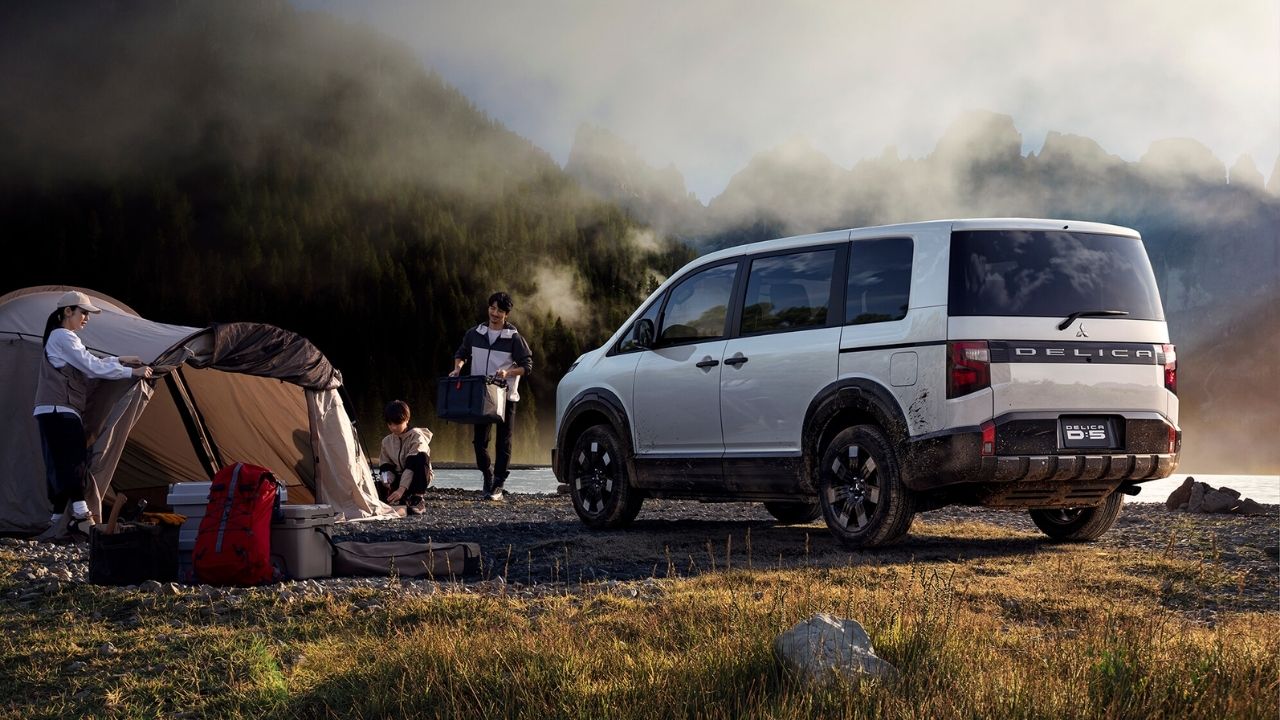
The visual proposal itself helps explain the popular comparison with a “premium 4×4 Kombi.” It has a minivan body but tries to appeal to those seeking adventure, rough roads, snow, mud, and family trips.
In Japan, this type of vehicle occupies a curious space. It is not exactly a traditional SUV, but it is also not a simple van. The Delica D:5 sits in between family transport, comfortable utility, and a vehicle for use in regions where the climate and terrain demand more from the vehicle.
Converted price draws attention, but it is not a price for Brazil
The most striking point is the price. The G version starts at ¥4,510,000 in Japan. With the direct conversion used in the comparison, this is close to R$ 143,000, not including Brazilian taxes, freight, insurance, import duties, importer margin, or homologation costs.
This caution is important because converted value does not mean sale price in Brazil. An officially or independently imported car can become much more expensive after going through all the tax and logistical stages.
Even so, the comparison arouses curiosity. The converted Delica D:5 is below the suggested retail price of the Tiggo 8 Pro in Brazil, which starts at R$ 196,990. The difference helps explain why models sold in Japan often become a topic among Brazilians who follow family cars and SUVs.
Mitsubishi bets on diesel, 4WD, and automatic transmission
The Mitsubishi Delica D:5 uses a 2.267 L diesel engine, identified by the brand as 4N14, with turbo and intercooler. The set delivers 145 hp and torque of 380 Nm, numbers aimed more at strength and continuous use than at sporty performance.
The transmission is an 8-speed automatic, and the drive is 4WD. In practice, this reinforces the model’s positioning as a minivan prepared for situations where grip and torque matter more than urban appearance.
The proposal is not to be a shopping car disguised as an adventurer. The Delica D:5 was designed for families who need space but also want to cross snow, dirt roads, mud, and less predictable routes.
Seven or eight seats expand the family appeal
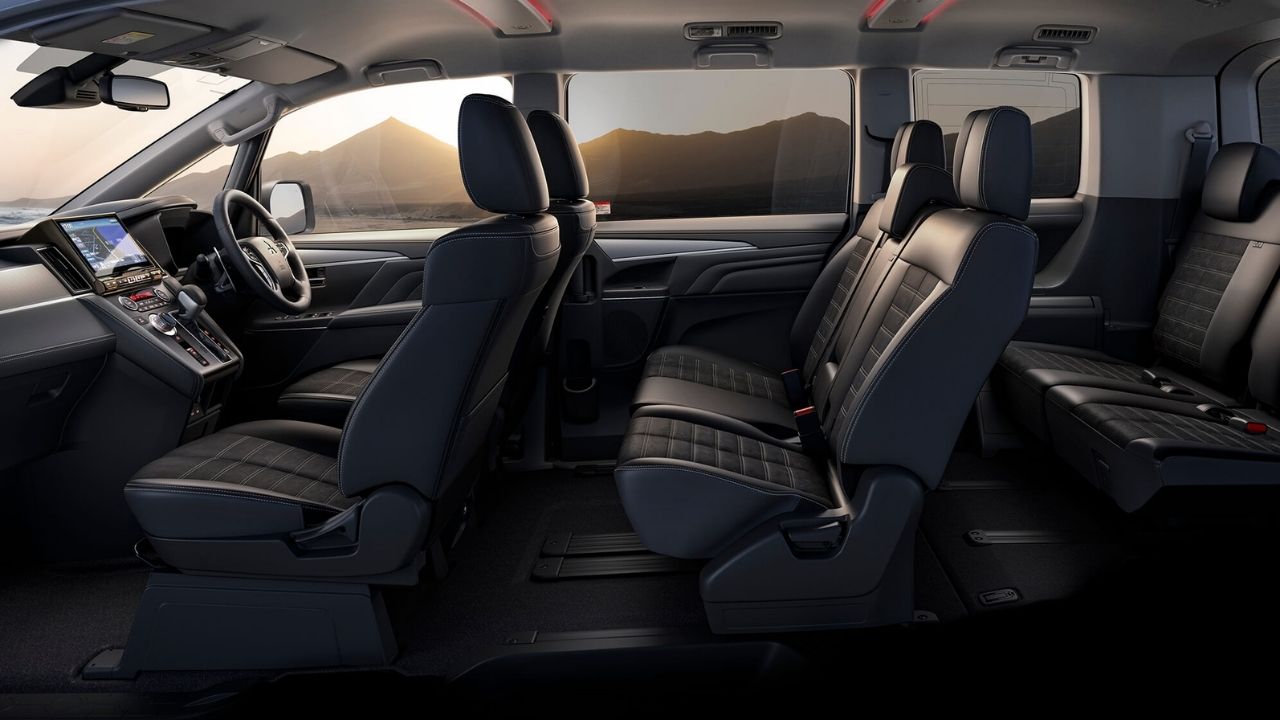
Another strong point is the internal configuration. The Delica D:5 can carry 7 or 8 people, depending on the version. This places the model in a usage range that interests large families, travel groups, and consumers who need versatility.
The dimensions also show the size of the vehicle. It measures 4.80 m in length, 1.815 m in width, 1.875 m in height, and has a wheelbase of 2.85 m. In other words, it is a large car, but still within a viable logic for family use in Japan.
Mitsubishi also highlights the interior as a premium space, focusing on comfort, silence, and finish. The idea is for the car to serve both for daily commutes and long family trips.
Why it seems so different to the Brazilian public
In Brazil, consumers have become accustomed to seeing SUVs dominating the family market. 7-seater models usually follow the recipe of high bodywork, sporty look, and focus on city, road, and comfort.
The Delica D:5 breaks this expectation. It maintains the minivan shape, high roof, large internal area, and more functional access, but adds 4WD traction and a diesel engine. It is precisely this mix that makes the model seem strange and interesting at the same time.
For those looking from the outside, the question is inevitable: why doesn’t a car like this appear more strongly in Brazil? The answer involves brand strategy, legislation, import costs, consumer preference, and commercial viability.
The contrast with the Tiggo 8 Pro increases curiosity
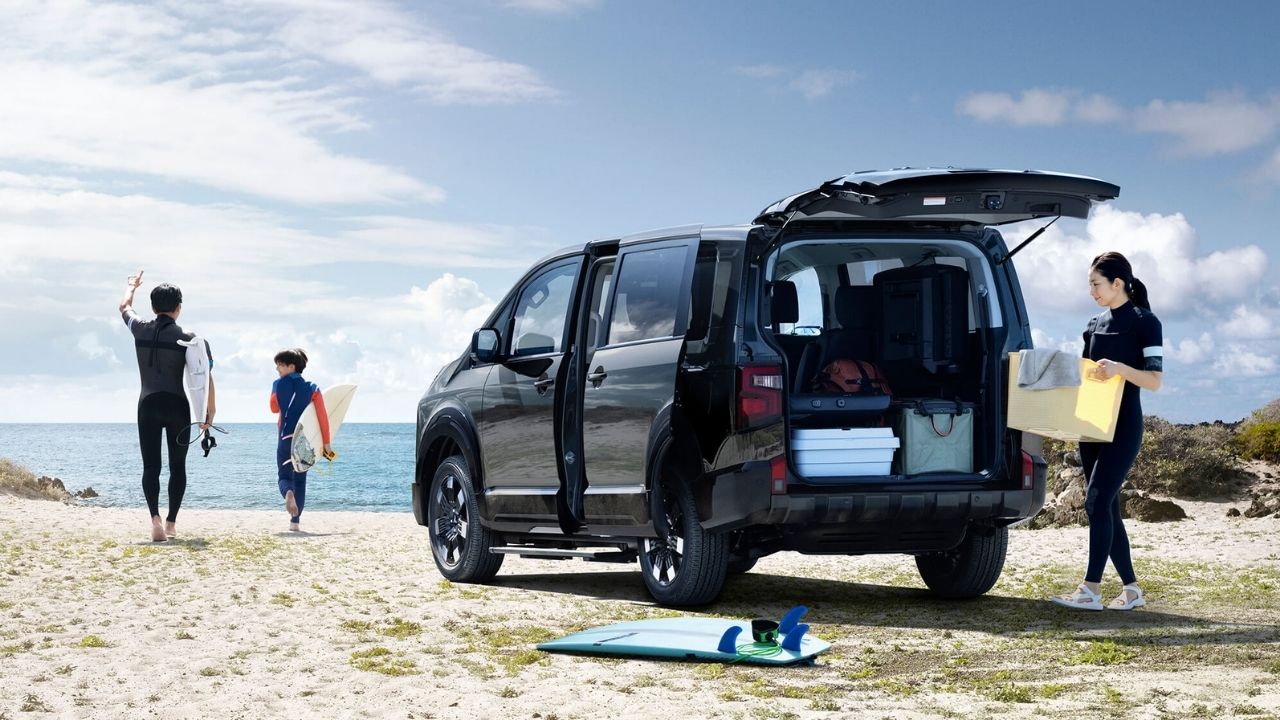
The comparison with the Tiggo 8 Pro works because both appeal to families seeking space. The CAOA Chery model is a 7-seater SUV officially sold in Brazil, with a suggested retail price starting at R$ 196,990.
The Delica D:5 is not included in this comparison as a Brazilian product, but as an international market curiosity. Directly converted, it seems cheaper, but this calculation does not consider the costs that would arise if the car were brought to Brazil.
Even so, the difference draws attention because it shows how the Japanese market offers family proposals very different from those that reach Brazilian stores. While the Tiggo 8 Pro represents the modern 7-seater SUV, the Delica D:5 represents the robust minivan that has not abandoned the idea of tackling difficult terrain.
Snow, mud, and rough roads are part of the identity
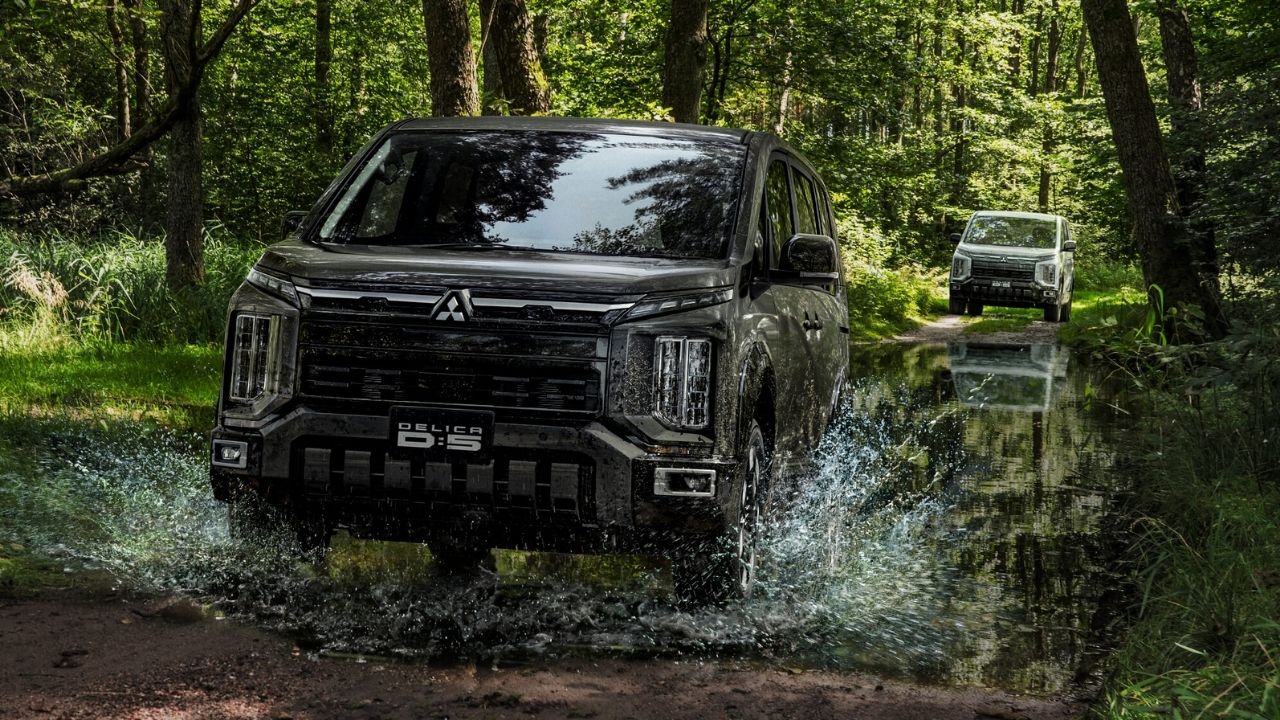
Mitsubishi describes the Delica D:5 as a vehicle prepared for different seasons and terrains. The official communication mentions facing deep snow, mountain roads, and uneven paths, always focusing on safety and confidence for the family.
This positioning is consistent with the history of the Delica line, known precisely for combining transport capacity and off-road use. The D:5 maintains this interpretation in a more modern, comfortable version aimed at family use.
The appeal lies in the contrast: it is as spacious as a minivan but aims to convey the security of a 4×4. For consumers traveling with children, luggage, and equipment, this combination may be more useful than an SUV with a sporty look but less internal space.
Consumption and measurements reinforce rational use
The consumption reported in the WLTC standard is 12.9 km/L. As always, this number depends on usage conditions, traffic, climate, and driving style, but it serves as a reference to understand the mechanical package.
The tank holds 64 liters, and the ground clearance is 185 mm. These data help position the model as a large family car, with some aptitude for rough surfaces, but still designed for regular and predictable use.
Mitsubishi does not sell the Delica D:5 just as transportation. It tries to sell a travel base: a car to carry people, luggage, equipment, and weekend plans without relying solely on perfect asphalt.
A car that arouses desire precisely because it does not exist here


The Delica D:5 draws attention in Brazil because it seems to fill a gap. It combines diesel, 4WD, 7 or 8 seats, and a family interior in a package that deviates from the standard SUVs sold here.
This does not mean it would arrive cheaply for Brazilian consumers. On the contrary: if officially imported, it could lose much of the impact of direct conversion. But, as an automotive curiosity, the model shows an interesting alternative to the dominance of SUVs.
The question remains whether Brazilians would buy an adventurous minivan or if the SUV format has already taken over the consumer’s mind. The Delica D:5 seems practical, robust, and family-oriented, but its different look could divide opinions.
Minivan, 4×4 or distant dream?
The Mitsubishi Delica D:5 proves that there is still room for family cars outside the traditional SUV formula. With a diesel engine, 4WD traction, 7 or 8 seats, and a Japanese price that is close to R$ 143,000 in direct conversion, it sparks immediate curiosity.
But the number needs to be read with caution. Without Brazilian taxes, freight, and nationalization, the account serves only as a market comparison, not as a price promise. Even so, the model shows how Japan has family solutions that seem made for those who need space and face rough roads.
Would you buy a “premium 4×4 Kombi” from Mitsubishi if it were sold in Brazil at a competitive price? Or do you think Brazilian consumers would still choose an SUV like the Tiggo 8 Pro? Comment on which one would make more sense for your family.