Portuguese
  Spanish


Suzuki Landy 2026 was updated in Japan as an 8-seater hybrid minivan, with an electrified 1.8 engine, E-CVT transmission, sliding doors, and a look similar to the Toyota Noah. The starting price is equivalent to about R$ 124,000 without Brazilian taxes, according to international automotive publications in June 2026.
Suzuki updated in Japan the Landy 2026, a family hybrid minivan that stands out for offering an 8-seater option, sliding rear doors, and a look very similar to the Toyota Noah. The model starts at ¥3,845,600 in the Japanese market, a value equivalent to about R$ 124,000 in approximate direct conversion, without Brazilian taxes.
The news was released in June 2026 by international automotive publications. In Japan, the Landy targets families who need space, efficiency, and urban practicality, while in Brazil a vehicle with a similar proposal could enter the radar of those comparing family vans, minivans, and 7-seater SUVs.
Suzuki Landy 2026 emerges as a family minivan in Japan
The Landy is not a new name within Suzuki’s lineup in Japan. Originally launched in 2007, the minivan has gone through different generations and, for a long time, shared a base with the Nissan Serena. From the fourth generation, launched in 2022, the model started using Toyota’s TNGA-C modular platform.
-
1983 Chevrolet Runs Over 100,000 km Without Gasoline, Powered by Wood Chips, Reaches 125 km/h in Airport Test

-
Workshop Converts Giant Tractor Tire Tricycle into a Three-Wheel Drive Hybrid with 36,000-Watt Electric Motor Capable of Climbing Hills

-
Sales of Brazil’s Cheapest Electric Car Halted Before First Deliveries: E-Motors Suspends Emova Easy Due to Import Tax Increase and Rising Freight Costs

-
Nissan Discontinues Qashqai SUV Amid Cost-Cutting, Chinese Competition, and Product Line Review




In practice, the current Landy is a rebranded version of the Toyota Noah, with its own finishing and visual identity adjustments. This strategy allows Suzuki to offer a medium-sized minivan without developing a completely exclusive project from scratch.
Visual resembles Toyota Noah and bets on an imposing front
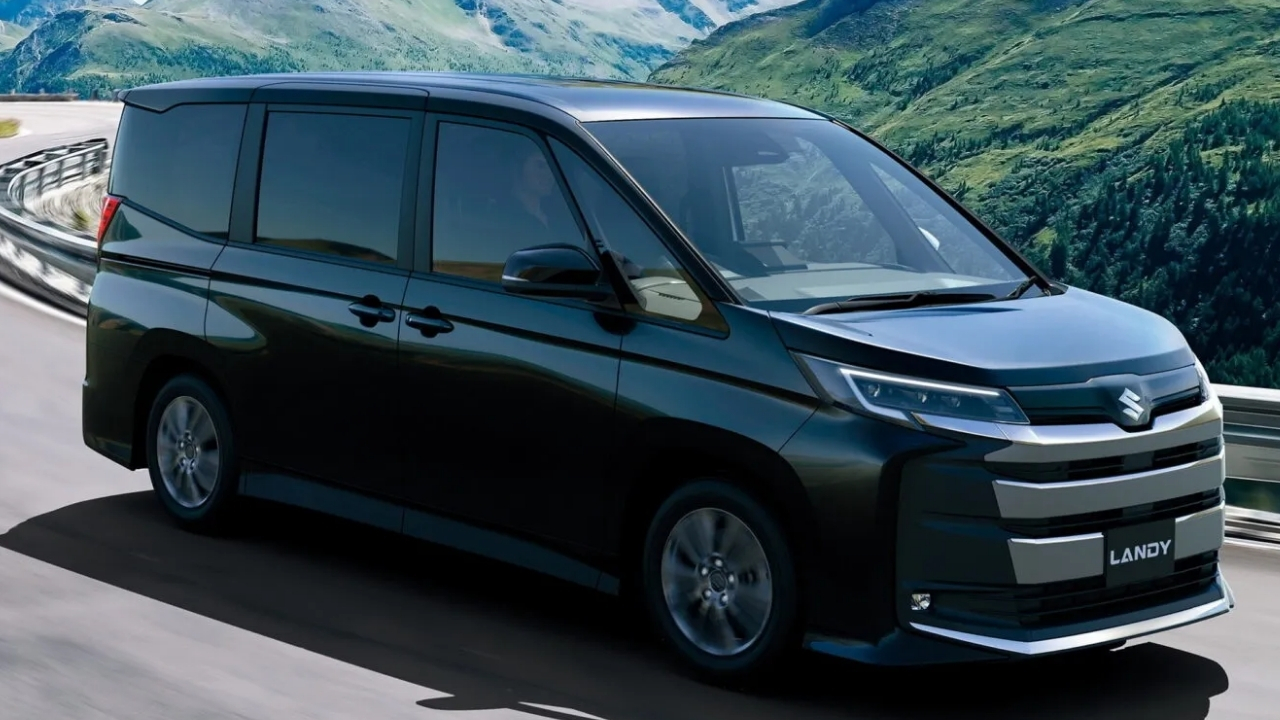
The update of the Suzuki Landy follows the style of the more equipped versions of the Toyota Noah. The model received a more robust front, with a large grille, horizontal strips, LED daytime running lights positioned at the top, and sleekly designed headlights.
The side profile maintains the functional proposal of a Japanese minivan, with a tall body, almost flat roof, large glazed areas, and sliding rear doors. This type of door is one of the most practical points for families, especially in tight parking spaces and when boarding with children.
New 8-seat option expands family appeal
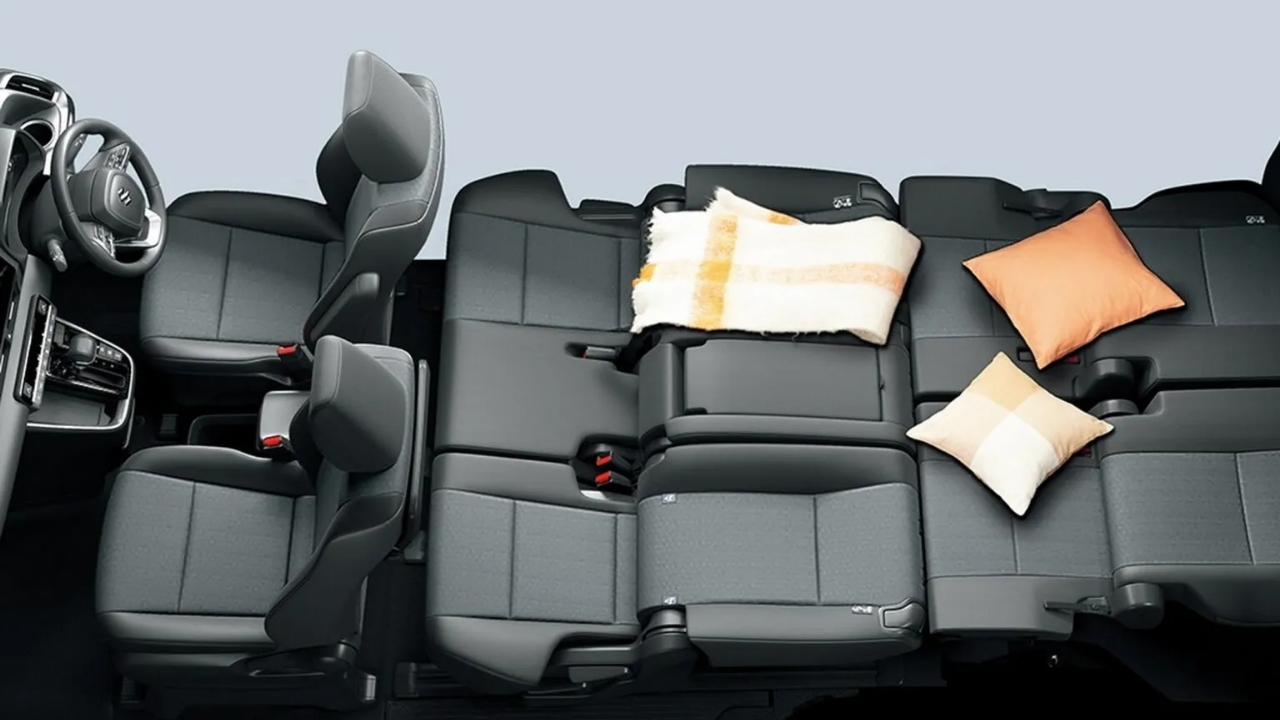
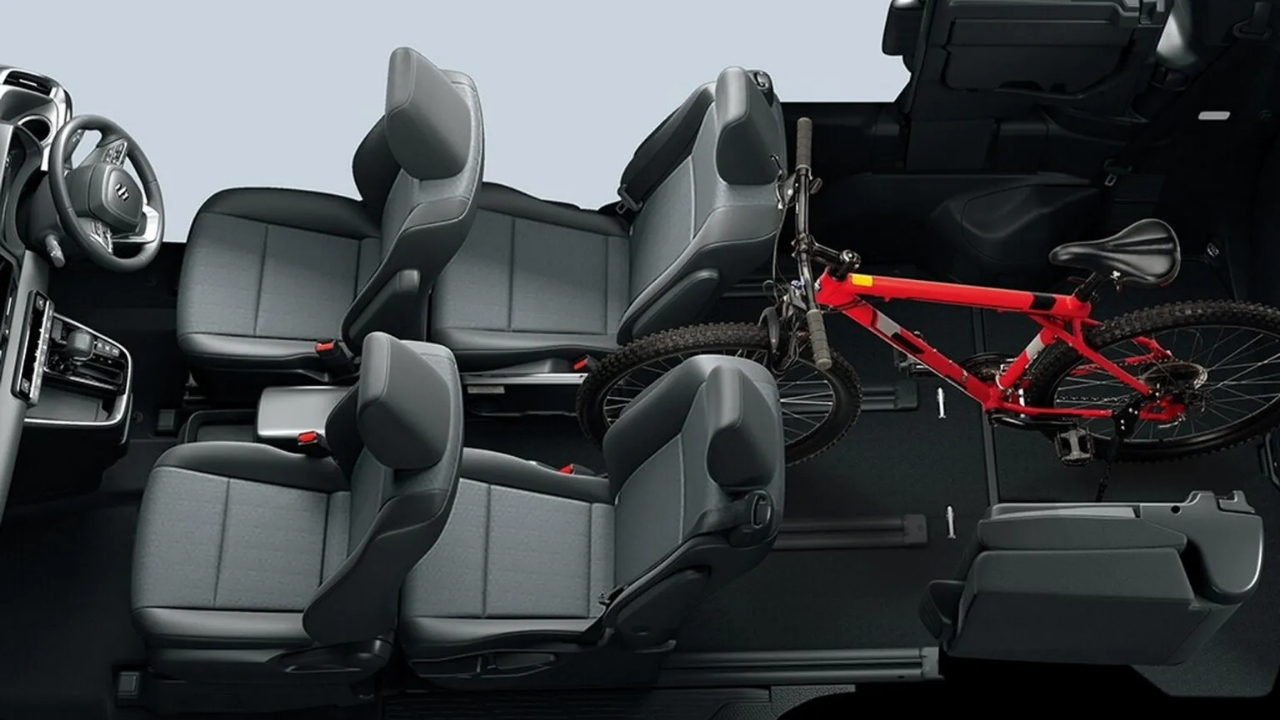
One of the main changes of the Landy 2026 is the arrival of the 8-seat option. Previously, the model already offered a 7-seat configuration, which will continue to be available in Japan. With the new internal arrangement, the minivan now caters to larger families or users who need to transport more passengers.
The proposal is different from most SUVs sold in Brazil, which usually offer 7 seats, but with a more limited third row. In a minivan, the focus is more on internal utilization, cabin height, and ease of access.
1.8 hybrid engine replaces gasoline-only version
The Suzuki Landy 2026 is now offered only with a self-recharging hybrid system. The previous version with a 2.0 gasoline engine, with 150 hp, was discontinued in Japan.
The current system combines a 1.8 gasoline engine with an electric motor. According to the data provided by the source, the combined power is around 138 PS, with E-CVT transmission. The change reinforces the trend of electrification in Japanese family minivans.
Declared consumption reaches 23.2 km/l
The Landy’s hybrid system has a declared efficiency of 23.2 km/l, according to the information from the source. This number helps explain why Suzuki abandoned the purely gasoline version and kept only the electrified configuration.
In markets like Japan, where efficiency, emissions, and urban use are significant, hybrid minivans make sense for families who drive daily. Electrification attempts to reduce consumption without sacrificing interior space and capacity for multiple passengers.
E-Four adds all-wheel drive with electric motors
In addition to the front-wheel drive version, the Landy also features the E-Four variant, with electrified all-wheel drive. In this configuration, the system uses additional electric motors to deliver traction to all four wheels.
The E-Four version also received the “Snow Extra” mode, aimed at winter conditions in Japan. This detail shows that the model was designed for a market where snow, slippery surfaces, and family use in different regions are part of the routine.
Cabin receives more comfortable panel, but without factory multimedia
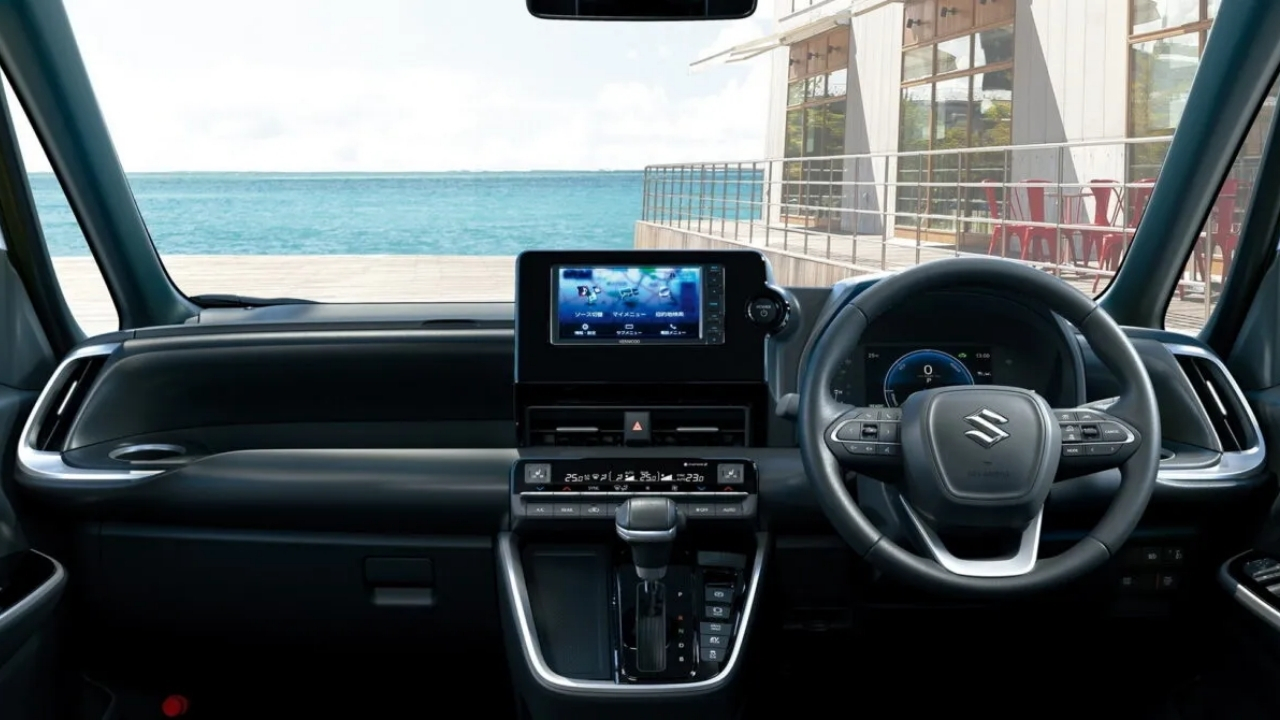
Inside, the 2026 Suzuki Landy received comfort improvements, including soft materials on the panel and a larger 7-inch instrument cluster. The aim is to provide a more pleasant environment for family use.
Even so, the Landy does not fully match the equipment level of the Toyota Noah. The source informs that Toyota may offer a 12.3-inch digital cluster and multimedia centers of 8 or 10.25 inches, while the Landy comes without a factory multimedia system, leaving 7 to 9-inch screens as accessories.
Price in Japan is close to R$ 124,000 without taxes
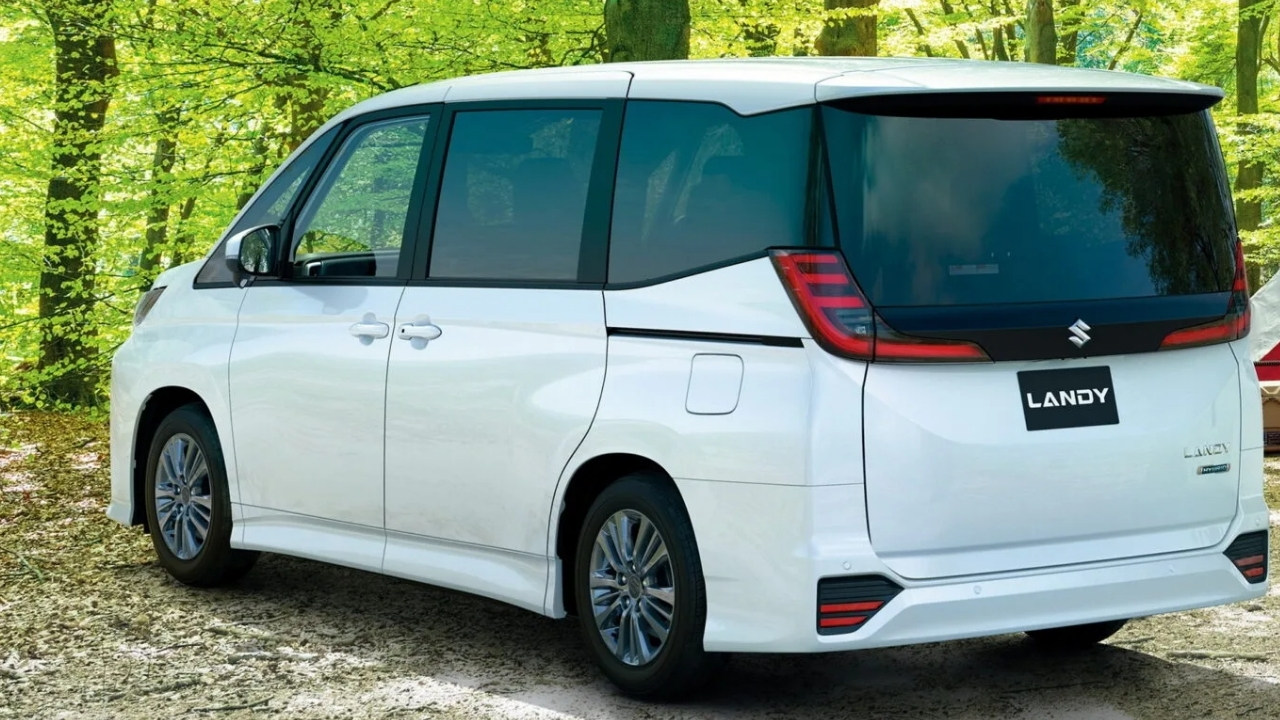
The entry-level version of the Suzuki Landy FWD costs ¥3,845,600 in Japan. In approximate direct conversion, this amount is close to R$ 124,000, not including taxes, shipping, nationalization, commercial margin, or any cost that would exist in a possible import to Brazil.
The AWD E-Four version costs ¥4,128,300. The Toyota Noah, which serves as the base for the Landy, appears in the source with a lower starting price of ¥3,261,500. In other words, in Japan, the Landy charges more than the equivalent Toyota model.
Comparison with 7-seater SUVs draws attention in Brazil
The Landy has not been announced for Brazil. Even so, the converted price draws attention because it is below many 7-seater SUVs sold in the Brazilian market, especially when the comparison considers only direct conversion, without national taxes.
This comparison needs to be made with caution. Converted Japanese price does not represent final price in Brazil, as a possible local sale would depend on taxes, logistics, homologation, commercial strategy, and brand positioning.
Suzuki targets modest volume in the Japanese market
Suzuki set a target of 1,200 units per year for the updated Landy in Japan. The number shows that the minivan does not have a high global volume proposal, but rather aims to meet a specific audience within the Japanese domestic market.
This positioning helps to understand the product. The Landy does not try to be an adventurous SUV nor a cheap mass car. It functions as a practical, electrified, and spacious family option, built on a well-known Toyota base.
Landy shows a difference between Japan and Brazil
In Japan, minivans like Landy, Toyota Noah, Toyota Voxy, Honda StepWgn, and Nissan Serena still occupy an important space among families. They are tall, spacious vehicles with sliding doors and a focus on functionality.
In Brazil, this type of car has lost ground to SUVs. The Landy shows how other markets still value family minivans when the goal is to transport people with comfort, easy access, and lower consumption.
Hybrid family van reinforces Suzuki’s different path
The Landy 2026 reveals a practical strategy from Suzuki: use a Toyota base, apply its own identity, and offer a hybrid minivan aimed at Japanese families. The result is a vehicle that does not seek sportiness, but efficiency, space, and everyday use.
Even without a forecast for Brazil, the model draws attention for combining 8 seats, hybrid engine, sliding doors, and a competitively converted price compared to Brazilian family SUVs.
Do you think a hybrid family van like this would be successful in Brazil, or have SUVs already completely dominated this space? Leave your opinion in the comments.