Portuguese
  Spanish


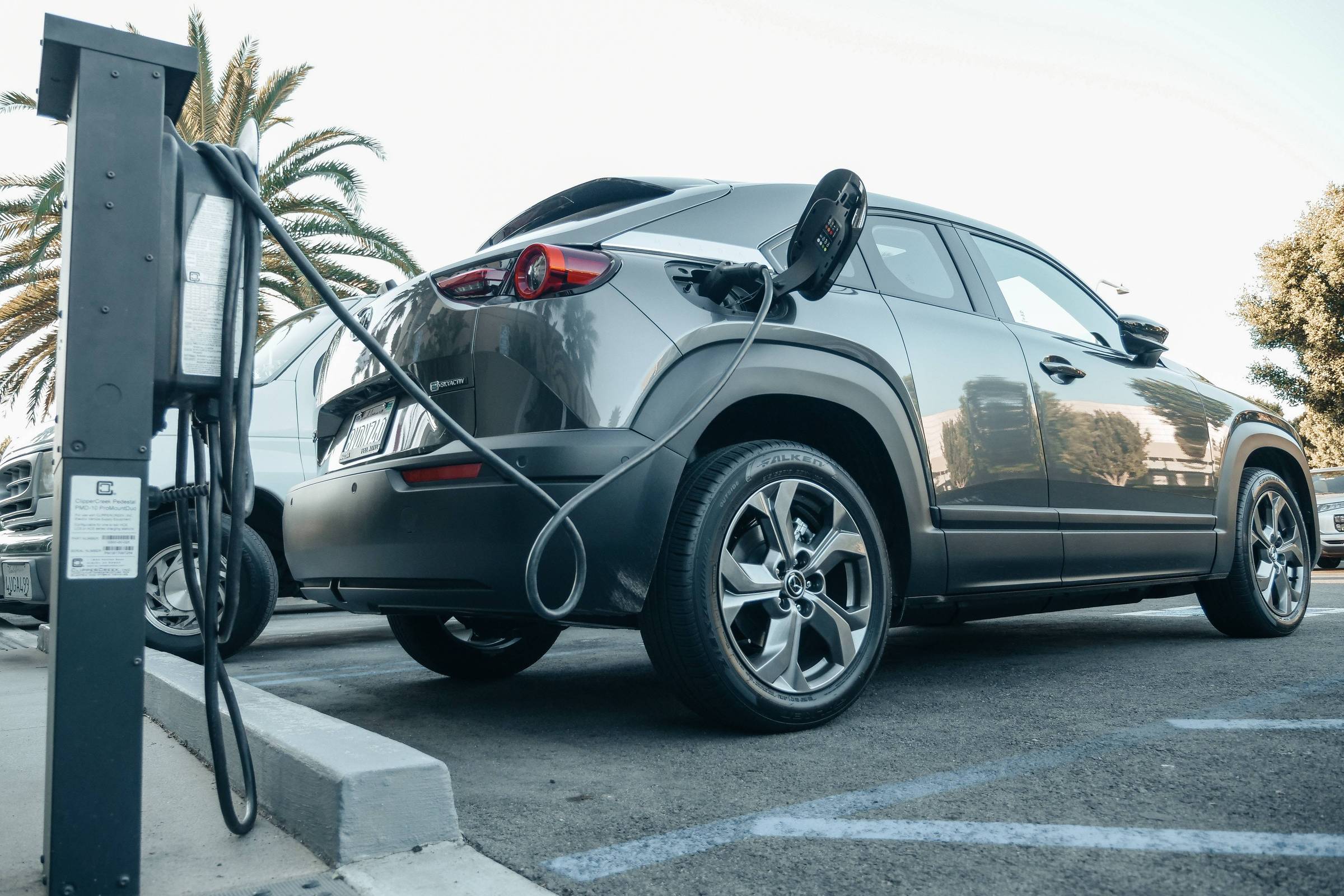

The Decision of Authorities in the State of Wyoming Is a Protest Against Recent Bans Implemented by California and New York in the Oil and Natural Gas Sector. The Controversial Law Foresees the Ban on the Sale of Electric Cars Until the Year 2035.
Even with all the advances in discussions about the electrification of the international transportation sector and new technologies adopted in the segment, it seems that not all regions believe in this initiative. As of this Thursday, (01/19), the U.S. state of Wyoming has a bill that prohibits the sale of electric cars in the area until the year 2035. This is a controversial decision that could significantly impact the oil and natural gas sector over the coming years.
State of Wyoming Goes Against the Decisions of Other Areas in the U.S. and Introduces Law Prohibiting the Sale of Electric Cars Until the Year 2035 in the Region
The last few years have seen advancements for new technologies in the electrification of the transportation sector, aiming to reduce emissions of pollutants from fossil fuels.
Electric cars are increasingly taking the place of combustion engine cars, as they provide not only more sustainability but also greater efficiency in their use.
-
End of an era in Brazil: beloved sedan by Brazilians is discontinued despite having a 2.0 engine with 151 hp, CVT transmission, 466-liter trunk, and up to 650 km of range.

-
New Law Proposal in Brazil Could Heavily Penalize Drivers: Dangerous Overtaking May Become a Serious Offense with Fines Increased Tenfold and a 12-Month License Suspension; Update on 2026 Progress

-
Electric Revolution: Watts W125 Motorcycle Offers 160 km Range, 90 km/h Speed, and Affordable Price Starting at $3,000
-
General Motors Replaces Over a Thousand Workers with 50 Cobots at Electric Vehicle Plant, UAW Union Criticizes Move Amid Industry’s Automation Push
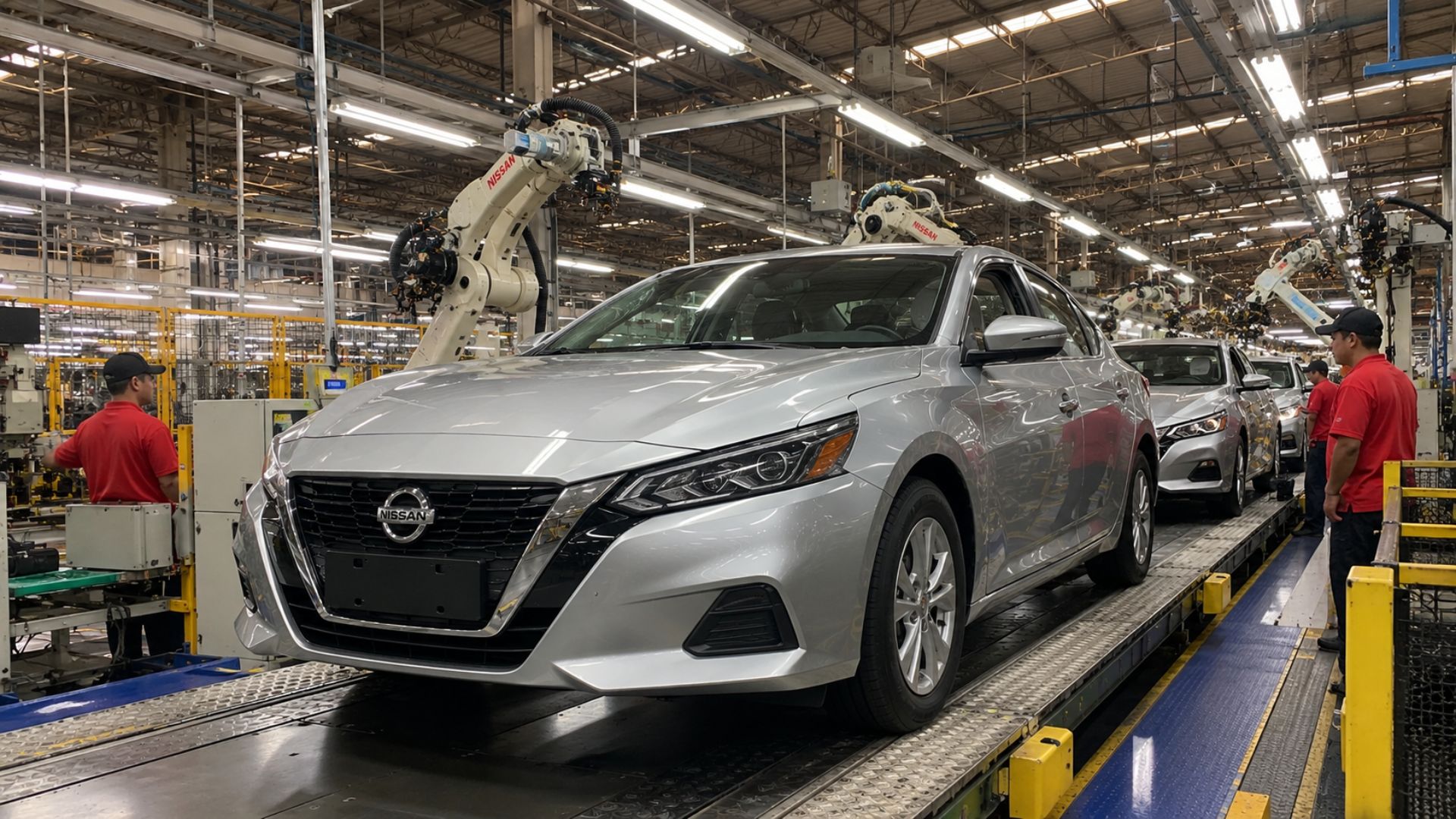



Thus, the U.S. industry is already keeping an eye on this trend and is mobilizing to invest more and more in electrification projects in the oil and natural gas sector, such as battery-powered engines, for example.
Despite this, not the entire country agrees with this initiative or sees the positive points of an electrified transportation sector.
This is because the state of Wyoming recently introduced legislation that prohibits the sale of electric cars in the region until the end of the year 2035.
The controversial law goes against what has been adopted by other American states and in Europe and is causing significant discussions in the U.S. oil and natural gas market.
Senator Jim Anderson, one of the names behind the initiative presented last Friday (13), told the Cowboy State Daily that the resolution is a response “against the bans on the sales of new cars with internal combustion engines” recently adopted in California and New York.
Understand the Reasons Behind the Decision of a Law That Prohibits the Sale of These Cars and Impacts the Oil and Natural Gas Sector in Wyoming
After being presented in the state, the law that prohibits the sale of electric cars until 2035 already has strong support from members of the House and Senate of Wyoming, says the publication.
The state is currently the eighth largest oil producer in the United States, despite being the least populous in the country.
Thus, it has a strong influence in the region’s oil and natural gas market and intends to continue maintaining this position.
The law presented in the state states that the transition to electric vehicles “threatens the continuity of jobs in the oil and gas industry” and could affect thousands of residents.
“The minerals used in batteries are not easily recyclable or disposable, which means that municipal landfills will be required to develop practices to dispose of these minerals safely and responsibly,” the text concludes.
Finally, the creation of the bill is yet another form of protest against the current discussions in other states of the country, aiming for a true legislative clash in the coming years.