






 Portuguese
  Spanish


The CASA PET project, from FATEC in Presidente Prudente, won the 2013 Instituto 3M Award and in October of that year, built a 24m² house with PET bottles filled with sand and soil cement. It cost R$ 15 thousand. The promise of rooms 20% cooler, however, still depended on temperature measurements.
Four thousand PET bottles turned into a real house in the interior of São Paulo, proof that it is possible to build a home from the ground up with recycled plastic. According to the promotional material from the Ciclovivo portal, ten students from FATEC in Presidente Prudente raised the so-called CASA PET spending 30% less than an equivalent brick construction. The project won the fifth edition of the Instituto 3M Award for University Students in 2013.
According to the project, the 24m² construction, complete with a balcony, was built on the FATEC campus starting in October 2013. Instead of bricks, the team used 4,000 PET bottles filled with washed sand and soil cement, a mixture of earth with 10% cement, from the foundation to the roof. The support columns and structure, however, follow the standard of a masonry house.
How four thousand PET bottles became a real house
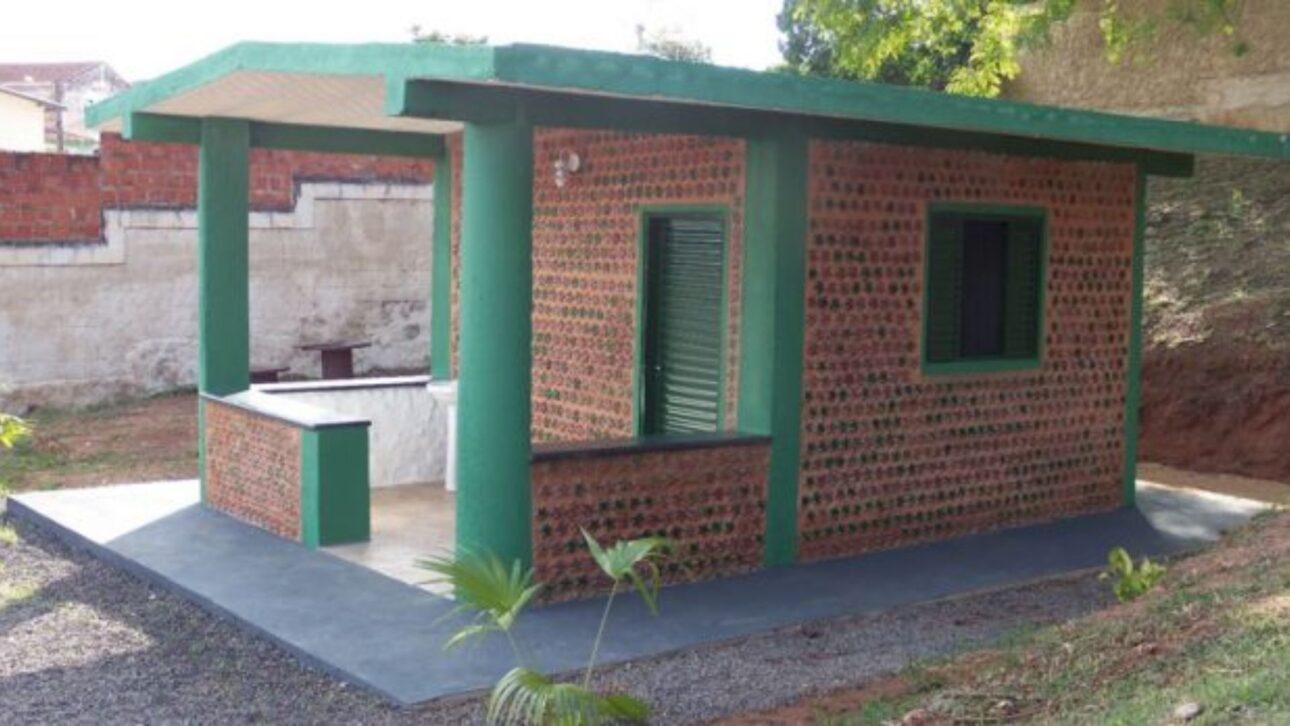
The idea of the PET bottle house was born in 2012 and gained momentum the following year. According to the material, the group of ten students from FATEC in Presidente Prudente, accompanied by three professors, entered and won the 2013 fifth edition of the Instituto 3M competition with the CASA PET project. With the victory, the team received R$ 30 thousand to bring the proposal to life within a year, something that student Adriana Roberta Mendonça described as “an even greater challenge”.
-
Brazilian Recycling Company Overcomes $200,000 Debt to Process 360 Tons of Plastic Monthly and Produce 27,000 Items Daily

-
The More You Love Someone, the Sleepier You Feel Around Them: Science Explains Why the Body Relaxes and Feels Safe with a Loved One

-
Kenyan Company Recycles Over 10 Million Flip-Flops from Indian Ocean Beaches into Elephant and Giraffe Sculptures Sold for Up to $1,200
-
Kenyan Brothers Recycle Old Newspapers Into 100,000 Pencils Daily, Aiming to Donate to 1 Million Children in Underprivileged Schools




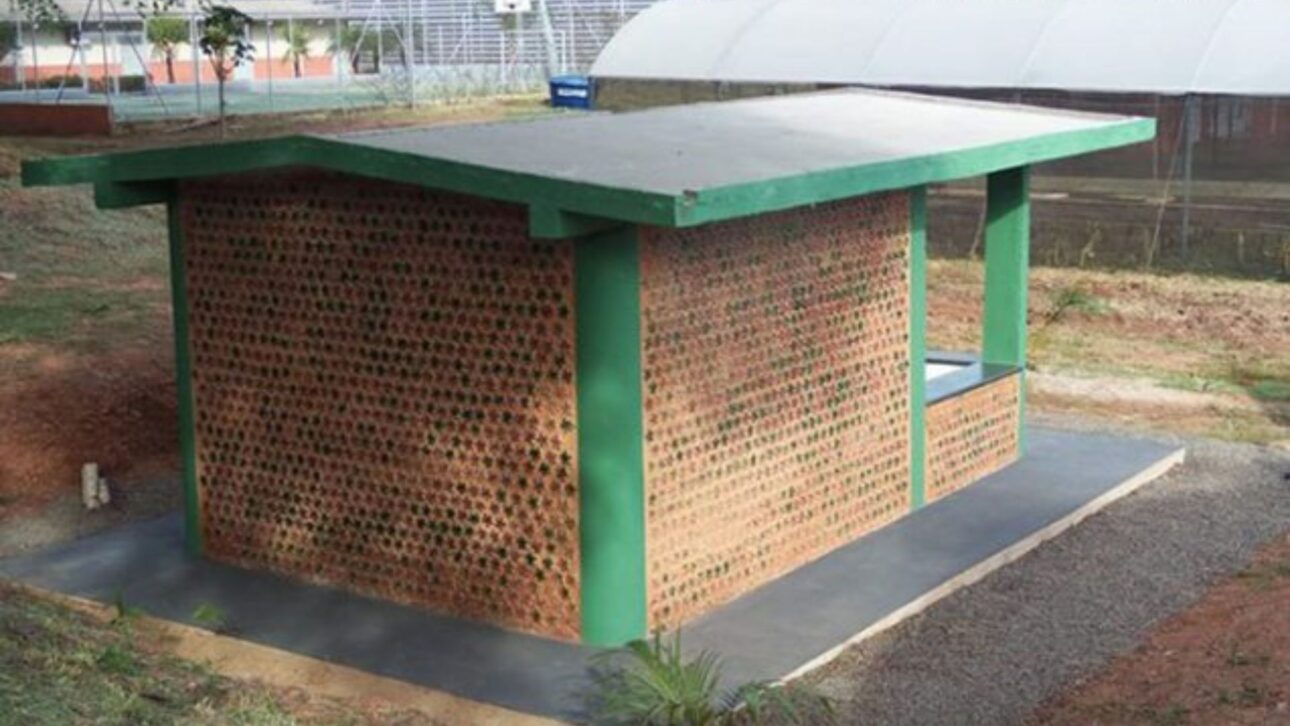
image: Disclosure/3M
The technique replaced bricks with bottles from start to finish of the construction. According to the project, the 4,000 PET bottles were filled with washed sand and soil cement and used from the foundations to the roof, while the structure and support columns followed the masonry model. For Professor Camila Pires Cremasco Gabriel, from UNESP of Tupã, one of the coordinators, “the way it was done, the construction is as resistant as common houses”.
The economy that made the PET bottle house cheaper
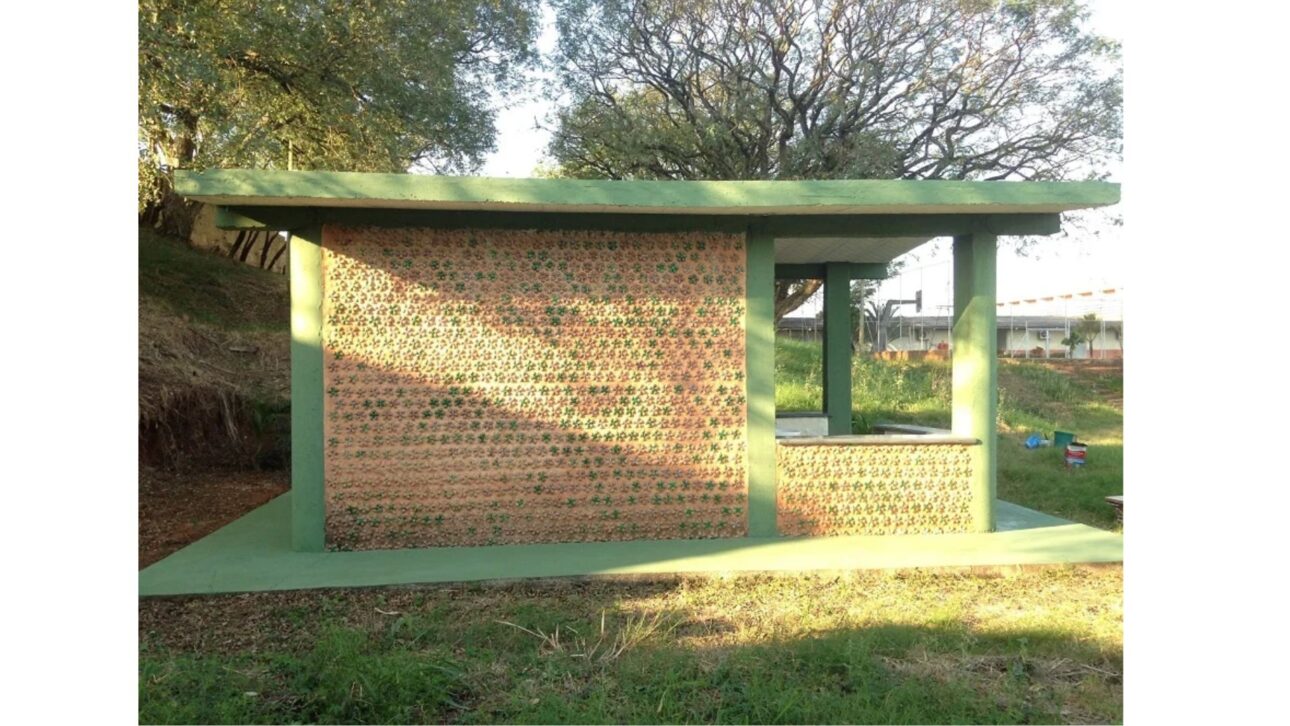
image: Disclosure/3M
Besides recycling the packaging, the major advantage pointed out was the economy. According to the material, while a masonry construction of the same measurements, built with bricks, consumes 10 bags of cement, the PET HOUSE needed only four. Adding labor, material, and finishing, with painting and electrical and hydraulic installations, the cost was R$ 15,000, which is 30% less than the same project would cost with traditional materials.
For the coordination, the gain goes beyond the pocket. According to the project, Professor Camila evaluates that the PET HOUSE is important for showing that an ecologically correct construction made from PET bottles is a viable economic alternative, which could be used by low-income people. However, it is a bet to be confirmed on a larger scale, as the work was an award-winning academic experiment.
Thicker walls and the promise of cooler rooms
Another promised advantage of the PET bottle house is thermal comfort. According to the material, the estimate was that the rooms replacing bricks with PET bottles would be 20% cooler. The reason would be the thickness of the walls, 35 cm wide, compared to about 13 cm of a conventional wall.
This number, however, still needed to be proven. According to the project, with the construction completed and delivered, the students began the phase of temperature measurements inside the residence precisely to test this thesis, work that was expected to be completed in the second half of 2015. That is, at the time, the thermal gain was a promising expectation, not a result already measured.
An Award-Winning Project and What It Still Needed to Show
CASA PET was not the only idea propelled by the Instituto 3M Award. According to the material, the initiative had already helped bring several projects to life, such as the Bamboo Project, developed by students from UNESP in Bauru, aimed at training farmers in the bamboo chain to generate income through crafts. The awarding of university students served as a push to put these proposals into practice.
Even so, it’s worth separating the achievement from the promise. CASA PET was a 24m² demonstration house, built on campus and awarded, with attractive numbers in terms of economy and sustainability, but the thermal advantage depended on measurements and the transformation into actual affordable housing remained the goal. Filling 4,000 PET bottles with sand and soil cement is hard work, and the construction still relies on conventional support columns.
The story of CASA PET shows how ten students from FATEC in Presidente Prudente turned 4,000 PET bottles into a real house, 30% cheaper than a brick construction. More than the 2013 Instituto 3M award, the project sparked a discussion on the use of recycled plastic in construction and the possibility of reducing housing costs. The gain in thermal comfort still depended on ongoing measurements at the time, and taking the idea of the demonstration house to the real world remained the next step.
And you, would you live in a house made of PET bottles to save money and reuse plastic? Comment on what you thought of this project by the FATEC students and exchange ideas with other readers about sustainable construction and more affordable housing.


