Portuguese
  Spanish


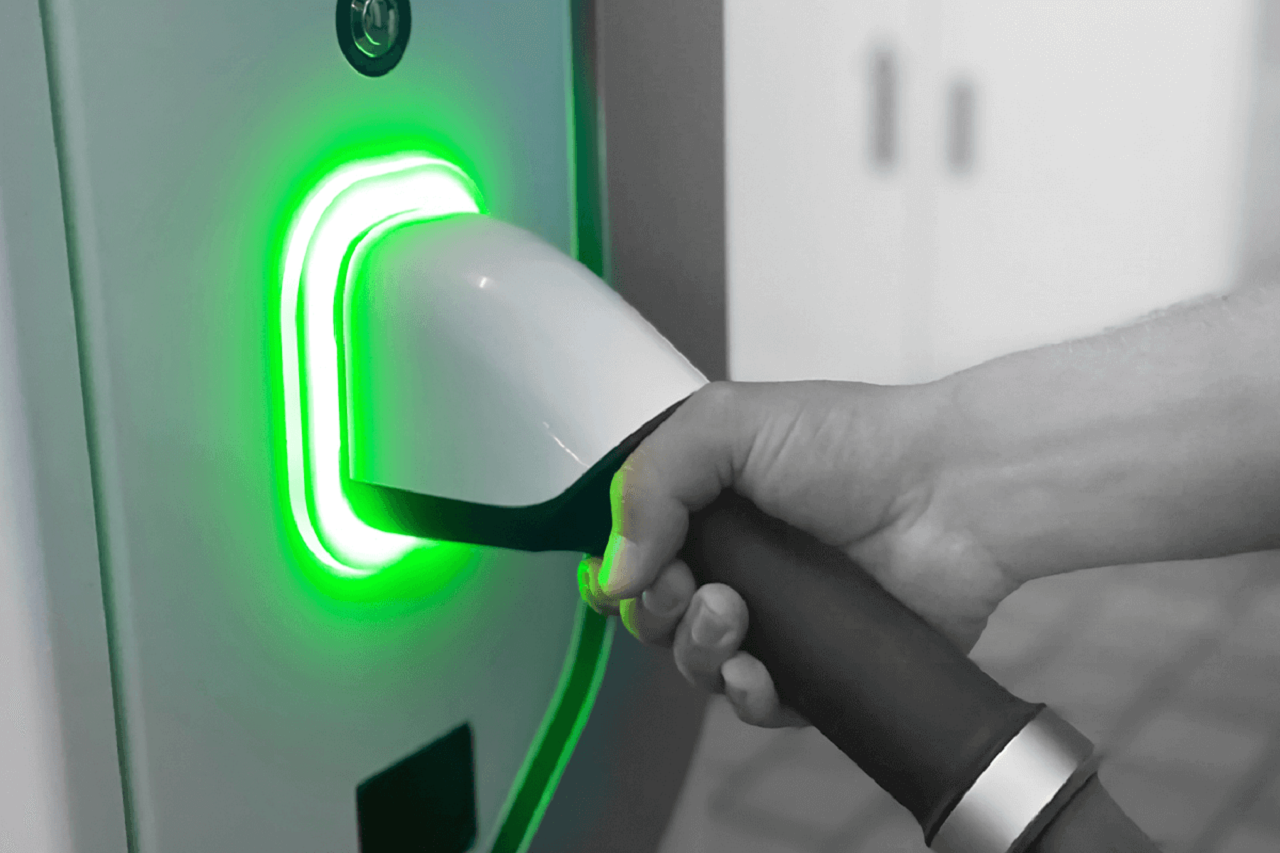

Researchers Make Efforts for Electric Cars to Charge Much Faster Than an iPhone. Some Companies Already Present Technologies That Allow 90% of Electric Vehicle Batteries to Be Charged in Just 10 Minutes.
Electric cars are becoming more popular; however, many consumers are still hesitant to switch from combustion vehicles to hybrid or purely electric models due to charging times being longer than conventional refueling. But have you imagined if charging these types of vehicles could be faster than charging an iPhone battery? This may be close to becoming possible, and researchers in the United States are racing against time to develop a new technology.
Electric Car Battery With 90% Charge in Up to 10 Minutes
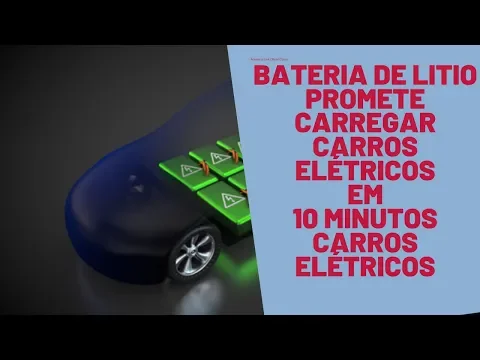

A group of researchers recently presented to the American Chemical Society (ACS) several options that allow charging an electric car in about 10 minutes. In summary, these are charging methods adapted to power various types of electric car batteries, meaning they are equipment specifically designed for use in cars.
Thus, the vehicle’s battery could reach up to 90% in just 10 minutes, surpassing the charging time of an iPhone. However, currently, when recharging an electric car very quickly, there is the possibility of causing irreparable damage to the battery. Therefore, manufacturers use different types of chargers, each designed for a specific charge.
-
1983 Chevrolet Runs Over 100,000 km Without Gasoline, Powered by Wood Chips, Reaches 125 km/h in Airport Test

-
Workshop Converts Giant Tractor Tire Tricycle into a Three-Wheel Drive Hybrid with 36,000-Watt Electric Motor Capable of Climbing Hills

-
Chery Offers Lifetime Battery Warranty and Car Replacement for Major Failures Under New Chinese Regulations
-
Sales of Brazil’s Cheapest Electric Car Halted Before First Deliveries: E-Motors Suspends Emova Easy Due to Import Tax Increase and Rising Freight Costs




The fastest chargers we can find on the market abroad can charge 80% of a battery in 20 minutes to one hour, which is an average time according to the United States Department of Transportation. Furthermore, in addition to ongoing research, CATL, supplier to Elon Musk’s Tesla, plans to launch a new battery by next year. In this case, the component could be recharged to 80% in up to 10 minutes without damage.
See Brazil’s Position on This Matter
Although Brazil does not have faster electric car chargers than those for iPhones, there are already alternatives for those who choose this type of vehicle. According to the Brazilian Electric Vehicle Association (ABVE), the country has over 2,800 public and semi-public charging stations in operation.
There is also the private charging network of electric car dealerships. This way, it is possible to charge the car at no cost in secure places, providing convenience. The number of electric car charging points in the state of São Paulo is also expanding.
For example, Osten Group, a premium automotive conglomerate, purchased 15 BMW i Wallbox Plus units in the city of São Paulo, in Baixada Santista, and in Vale do Paraíba. There are specific apps for electric car charging. One of them is “Sem Parar,” which has incorporated into its Super App a geolocation service for charging stations and claims to have mapped more than 1,120 units across the country.
Wireless Charging May Be the Solution
Wireless charging could be fundamental to making electric cars more popular in the market. Recently, Siemens and Mahle struck a deal to create projects. The efforts of these two tech giants focus on the advancement of a single standard to make wireless charging less complex and more accessible.
In practice, the company’s intent is to develop hardware and charging infrastructure that allows the two parts to operate standardized for the entire automotive industry. According to Siemens, wireless charging is the future of the market and will make life much easier for drivers.