Portuguese
  Spanish


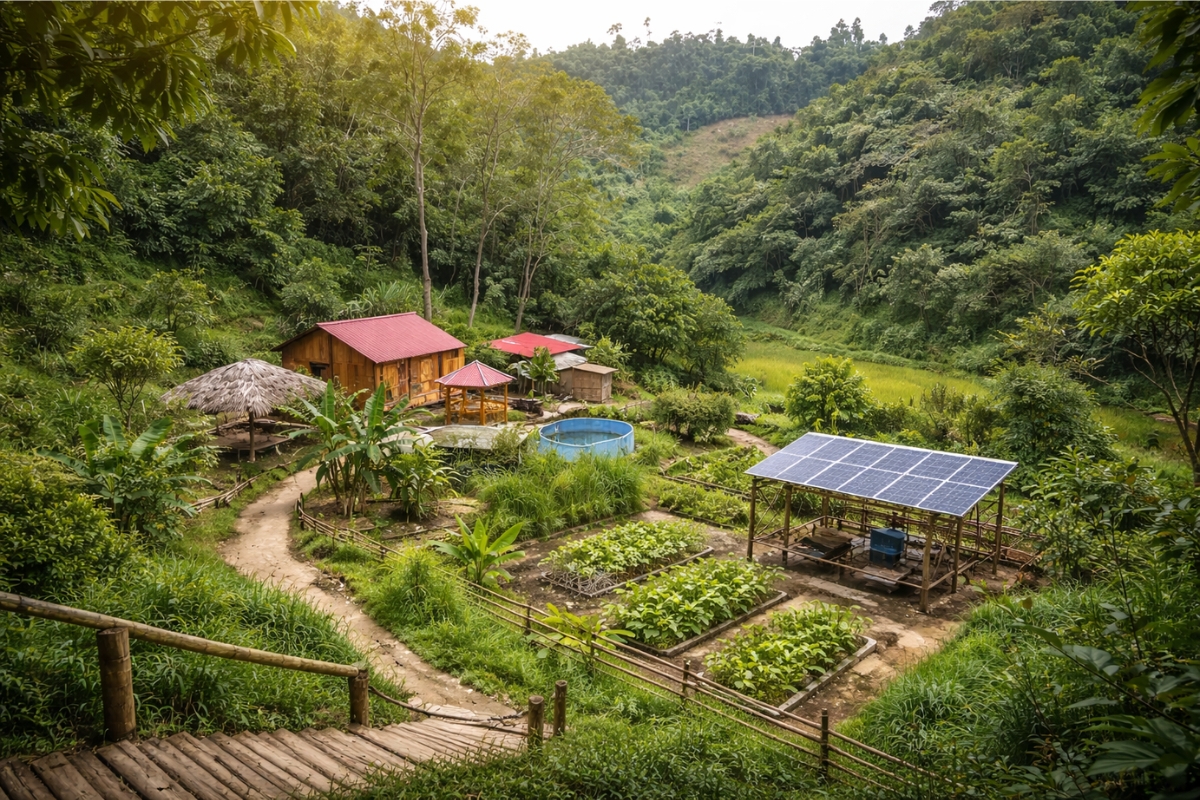


Transformation Brings Together Housing, Cultivation, and Manual Labor in One Place and Shows How 120 Days Can Completely Change an Abandoned Space
The creation of 1 self-sufficient village in 120 days shows how an abandoned house can gain a new function with planning and manual labor. The space began to combine housing, productive areas, and support structures in an environment integrated with the natural landscape.
The impact goes beyond physical renovation. The initiative demonstrates how the conscious use of local resources and the reduction of external dependencies allow for the structuring of a simpler, functional routine connected to the surroundings.
The proposal stands out for uniting autonomy, reuse, and practical organization of space. Each area was designed to meet real daily needs, without excess and focusing on efficiency.
-
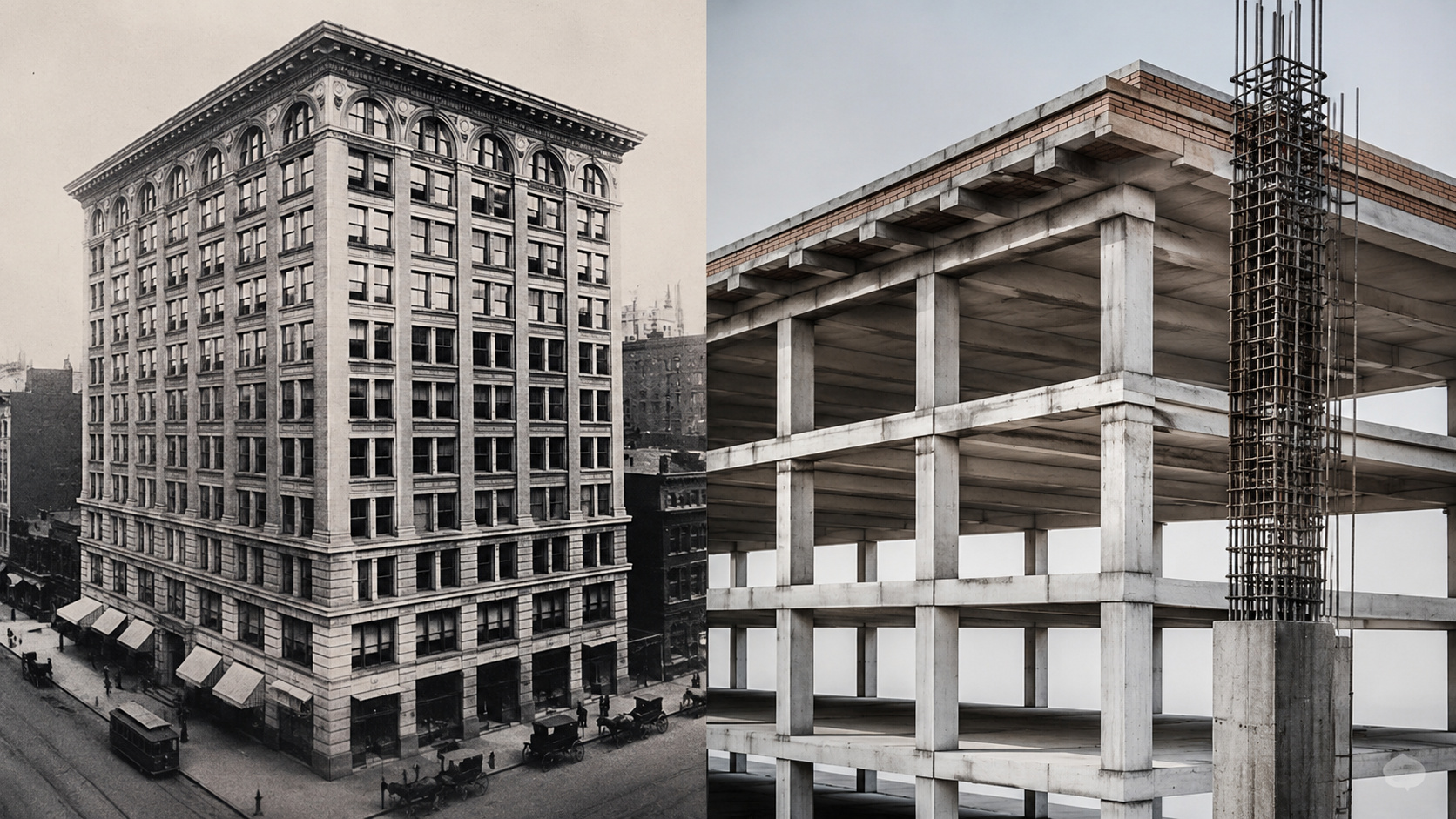
Builders challenged experts, erected a 16-story building using only reinforced concrete when the known limit was six floors, and proved that skyscrapers would never be the same again.

-
Up to 60 concrete mixer trucks pour 380 m³ of concrete onto the “big slab” of Niemeyer’s first work in Amazonas, in a decisive stage of the construction of the monumental oca that will mark the Parque Encontro das Águas in Manaus.

-
Alert in Santa Catarina: the Anita Garibaldi Bridge on BR-101 is completely closed in both directions due to “structural risk,” and drivers are diverted to a 20 km/h detour that promises kilometer-long queues until July 20.

-
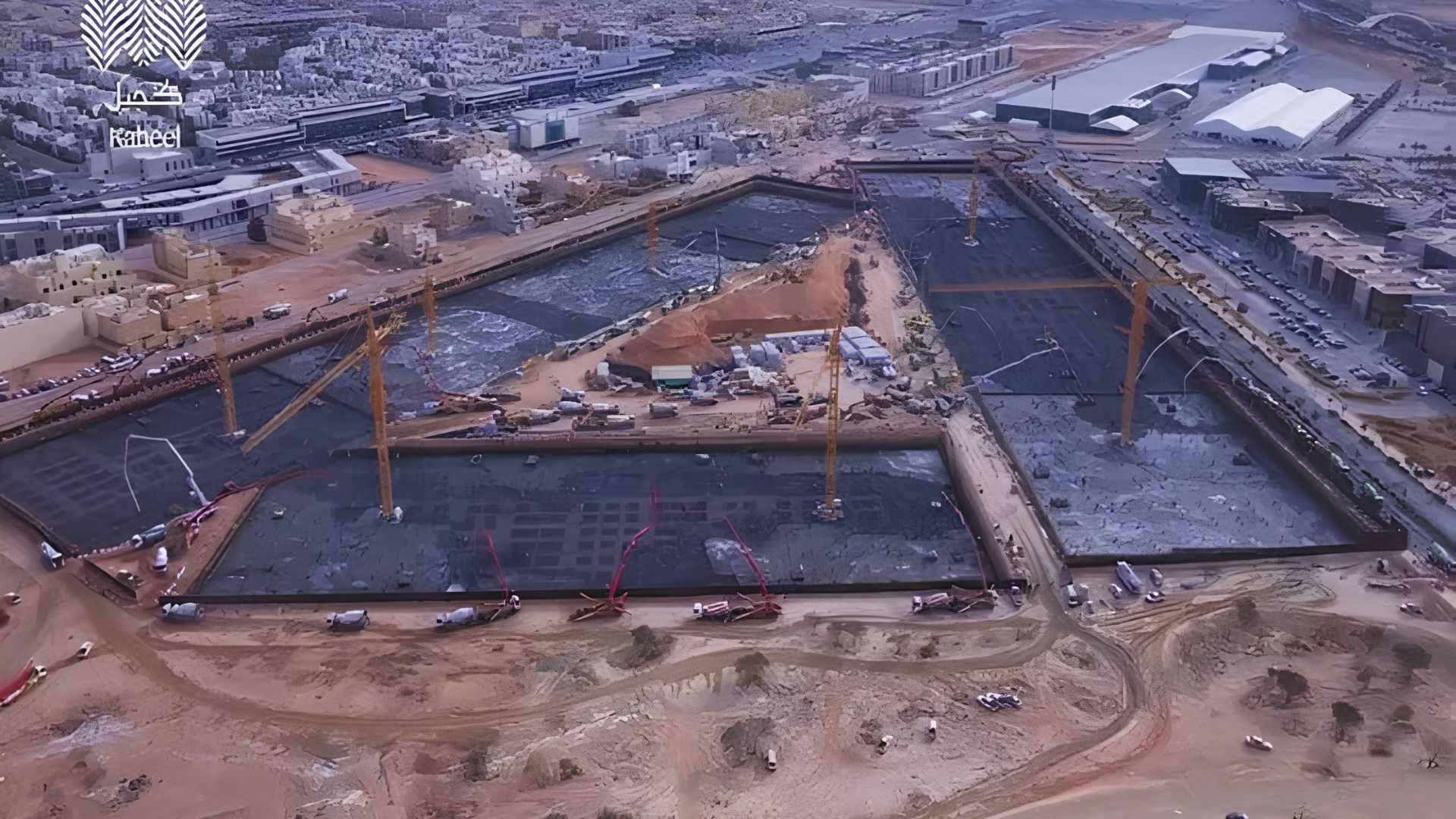
More than 6,000 trucks poured nearly 70,000 cubic meters of concrete without interruption for 72 hours to create the largest continuous concrete pour in history and erect a megaproject in Saudi Arabia.


Why an Abandoned House Managed to Become a Village in Just 120 Days

The starting point was a forgotten building, with worn walls and land without a defined use. The decision was made to recover the existing structure, avoiding demolition and reducing environmental impact from the beginning of the process.
Over the course of 120 days of work, the site underwent cleaning, structural reinforcement, and land reorganization. The goal was not only to restore but to create an environment capable of functioning independently.
This choice accelerated the transformation and allowed the space to be adapted to the local conditions. Each intervention had a practical focus, prioritizing functionality and integration between areas.
Intense Manual Labor Allowed Total Adaptation of the Space
A large part of the tasks was carried out almost individually over four months. Manual labor allowed for constant adjustments and customized solutions, without relying on industrialized processes.
The reuse of what already existed reduced the need for new materials. Structures were reinforced, areas were redefined, and the land gained clear functions, facilitating daily routines.
This approach helped to transform the space into a unique system. Housing, workshops, cultivation, and rest began to function in an integrated manner.
Self-Sufficiency Reduces Dependence on External Networks

The village was designed to operate with minimal external services. The central idea is to reduce dependence on traditional networks, prioritizing simple solutions adapted to the rural environment.
The organization of the space favors this logic. Cultivation areas close to the house, storage spaces, and support structures allow for more efficient daily operations.
This configuration contributes to a routine less connected to the city. The focus is on autonomy, simplicity, and the intelligent use of resources available on-site.
Bamboo and Local Soil Replace Conventional Materials
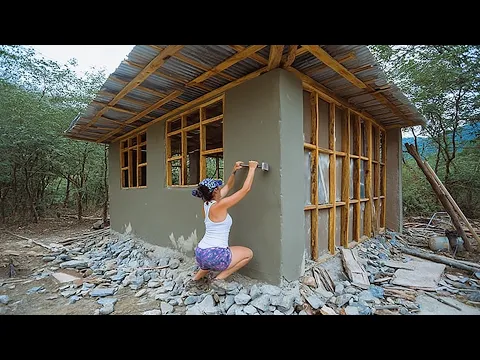
The use of bamboo and earth is one of the most notable aspects of the construction. The bamboo was treated and shaped to form beams, fences, and supports, offering strength and low cost.
The soil from the land itself was utilized in the creation of walls, foundations, and finishes. This choice reduced material waste and maintained the rustic appearance aligned with the natural environment.
The combination of concrete only in essential parts and natural materials in other elements resulted in a functional structure that is visually integrated into the surroundings.

With the village fully operational, the construction of a pool changed the perception of the space. More than leisure, it marks the end of the heaviest phase of manual labor.
Nested among the mountains, the pool created a resting point that contrasts with the rusticity of the other structures. The space now represents a balance between effort and pause.
This element reinforces the idea of reward after months of continuous dedication, without losing integration with the natural landscape.
The transformation shows that it is possible to create a complete environment from an abandoned space, as long as there is planning and clarity of objectives. The result unites housing, production, and rest in a functional system.
The project inspires those seeking simpler, more organized life alternatives. With practical choices and conscious use of resources, self-sufficiency becomes viable even outside traditional housing models.