






 Portuguese
  Spanish


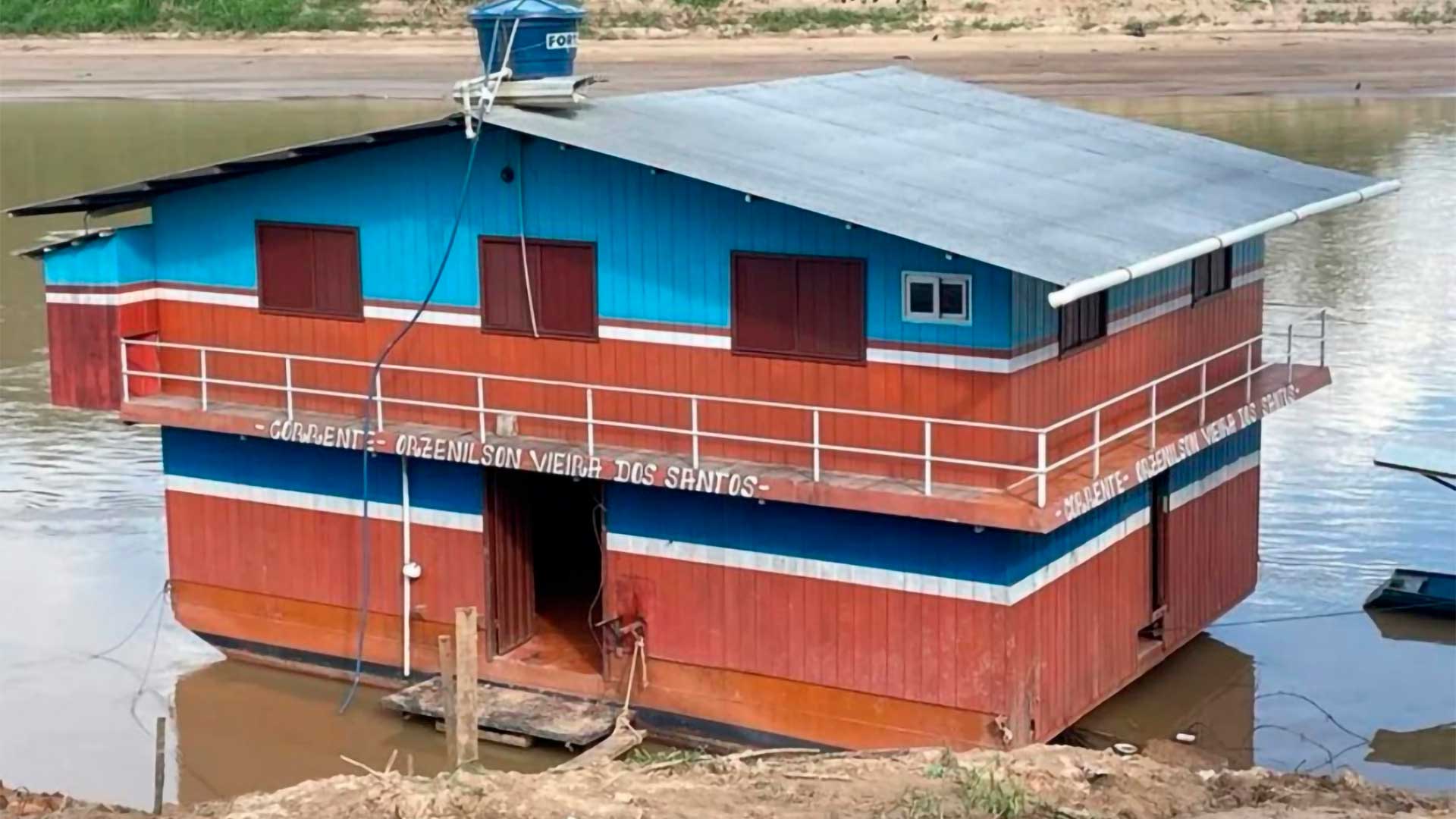


Structure Left Cruzeiro do Sul, Passed Through Eirunepé and Arrived at Tarauacá, Attracting Attention on Social Media and by the River.
A floating house built on a barge became a topic of conversation in the interior of Acre after being spotted anchored on the Tarauacá River, attracting attention from those navigating and curious residents. The couple says the idea is to turn the barge into a floating workshop to repair engines and serve riverside dwellers.
The story gained traction when videos of the structure navigating the rivers began circulating, and the “little house” started to be filmed and photographed wherever it arrived.
According to a report given to the newspaper, the vessel belongs to the couple Josilene Maria Ozório de Araújo and Francisco Alves de Araújo, known as Chicó, and was purchased to become a work point related to metalworking and boat maintenance services.
-
Japanese Botanist’s Miyawaki Method Grows Native Forests in Small Spaces in Just Years, Not Decades

-
800-Year-Old Cliffside Temple in Greece Amazes with Secret Cave, Drawbridge, and Stunning Views

-
Japan’s “Akiya” Homes: Abandoned Properties Attract Foreign Buyers as Locals Shun Them
-
Lawyer Turned Entrepreneur Earns $60,000 Annually Selling Brazilian Cheese Bread: Athena Rodrigues Started with $400 and Founded Dona Zelda, Bringing a Taste of Minas Gerais to São Paulo’s Heart


The reported investment was R$ 100 thousand, and the plan was to utilize the lower part of the structure as a workshop while the upper part would maintain the support space with existing rooms.
How the Floating House Crossed Rivers Between Amazonas and Acre
According to an investigation published by Portal Amazônia, the barge left Cruzeiro do Sul, in Acre, went down the Juruá River, passed through Eirunepé, in Amazonas, and then continued along the Tarauacá River until it reached the Acre municipality of Tarauacá.
On the hydrographic map, the Tarauacá River is a tributary of the Juruá River, which helps explain the route taken by the structure between the two states.
Who Are Josilene and Chicó and Why the Barge Became a Work Project
Josilene identifies herself as a school manager and said that it was she who handled the negotiation and finalized the purchase in her name while her husband was without a cell phone at the time the newspaper interviewed her.
The main idea, according to the text, is to set up a floating workshop focused on repairing and building boat engines, as well as producing items like grids and transoms, meeting the demand of those who live and travel along the river.
The report also links the project to a practical difficulty of daily life. Chicó, a metalworker since childhood, lost an old workshop by the river due to bank erosion and, as an adult, began working at a location far from the Tarauacá riverbank, complicating the transport of engines to the city.
The purchased structure was described as having been built the previous year, with two floors. The upper part has three bedrooms, a living room integrated with the kitchen, and a bathroom, while the lower part was already used as a workshop by the previous owner.
The website Notícias da Hora also reported that the floating house was anchored at the Tarauacá port and that the proposal was to facilitate riverside dwellers’ access to maintenance services by being in a busy location.
Viralization on Social Media and the Debate on Privacy and Safety on the River
The repercussion began with a video recorded in Eirunepé when the barge was allegedly leaving the municipality and then gained new posts made by other people along the way, according to the account attributed to Josilene.
Besides the curious tone, the situation raised an uncomfortable issue that many people recognize in the age of cell phones. Josilene said that a privately taken photo ended up circulating without her understanding how that image reached social media.
There is also a discussion about navigation safety and how displacement in the Amazon depends on river behavior. In 2025, for example, the National Agency of Water and Basic Sanitation issued a warning about water scarcity in Amazonian rivers, including the Juruá basin, showing how level variations affect the reality of those dependent on the waterway.
Tarauacá and Life Revolving Around the River
The episode attracted attention precisely in a region where the river is part of daily life and the local economy. Tarauacá had 43,467 inhabitants in the 2022 Census, according to IBGE, and the dynamics of displacement and services are still strongly influenced by access conditions and distances in the Amazon.
When a large structure appears “passing” through the city, the tendency is for it to become an instant attraction, blending curiosity, humor, and a real debate about infrastructure, work, and even privacy, as occurred with the records made by residents.
In your view, is this smart entrepreneurship that solves a problem for those living off the river, or is it a risk and a nuisance due to exposure and the logistics of navigating with a whole house through communities? Leave your comment and let us know where you stand on this discussion.





Não devia ter divulgado, agora o taxad, vai cobrar imposto de navegação, ancoragem, m2 de Área do porto, e se passar de R$5.000, pagar IR
Bom, eles são da terra, devem conhecer bons e maus caminhos assim como bons e maus caminhantes…que Deus os proteja e fortaleça neste belo propósito…
Mas e a pirataria no Rio Amazonas !!!Ali e bem arriscado !!!