






 Portuguese
  Spanish
  3 min of reading
  0 comments


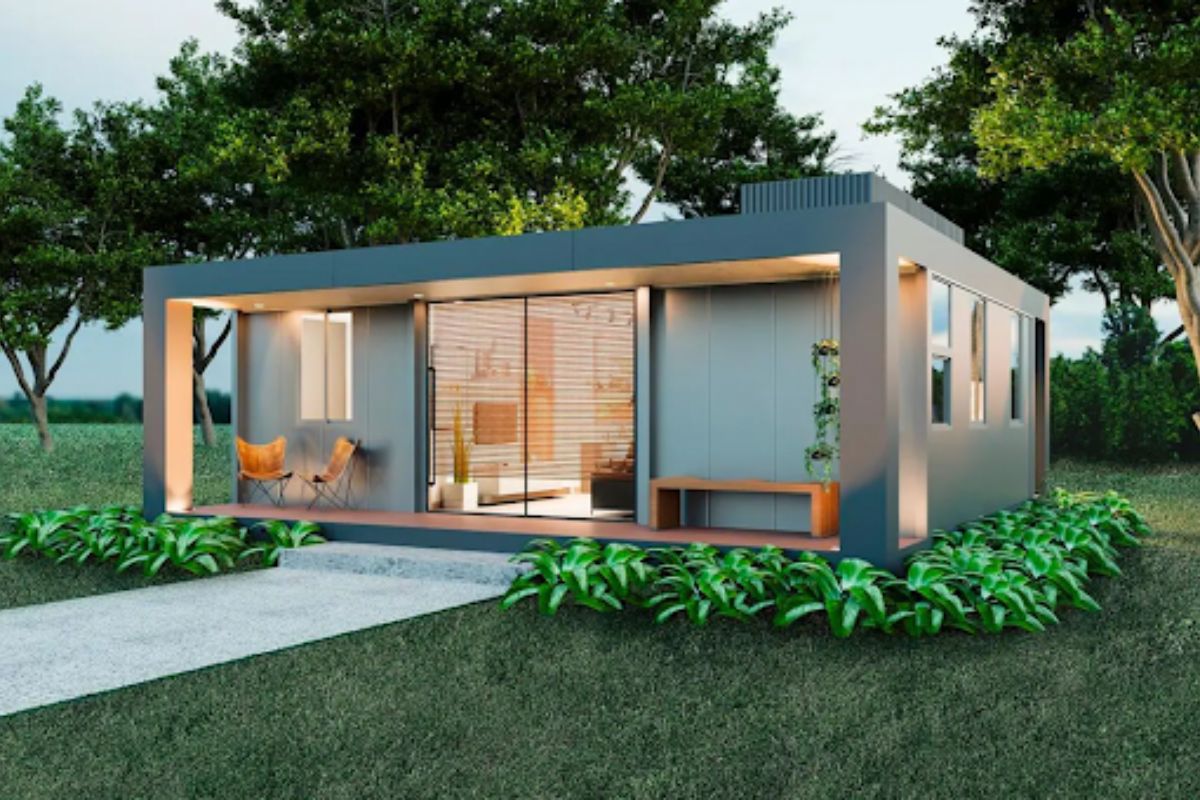
Meet The Technology Of Modular Houses That Can Be Assembled Like Lego, That Are Ready In Days, Cost Less And Are More Sustainable, Becoming The Great Bet For The Future Of Housing In Brazil.
Imagine building a house with the same simplicity as fitting Lego blocks together. This is the promise of modular houses that can be assembled like Lego, a revolution in construction that is gaining momentum in Brazil and around the world. The idea is simple: instead of months of construction, dust, and unforeseen events, the house is prefabricated in an industrial environment and assembled on-site in a matter of days or even hours.
This approach, which combines technology and sustainability, is not just a design trend but a concrete response to urgent challenges like the housing deficit and the need for rapid housing solutions in emergency situations, such as those seen in floods in Southern Brazil. With lower costs and a reduced environmental impact, modular houses that can be assembled like Lego are consolidating as the future of housing.
What Are “Lego Houses”?
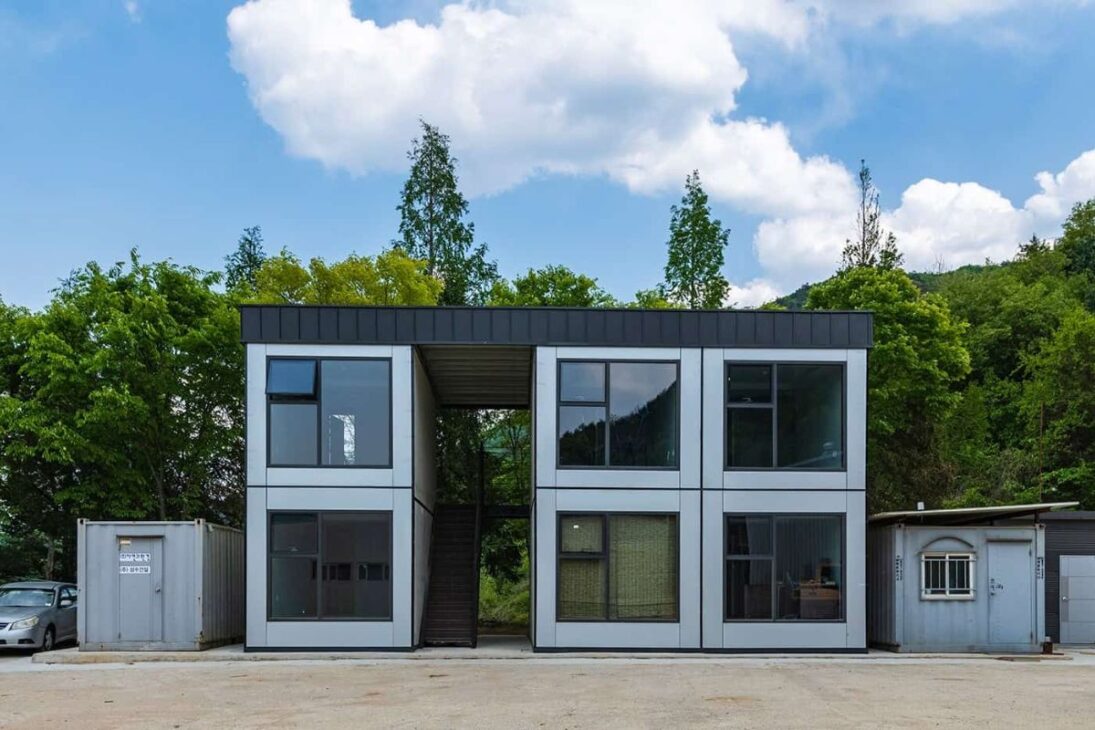
The concept of modular houses that can be assembled like Lego refers to off-site construction, where up to 90% of the structure is manufactured in a controlled environment, away from the construction site. The sections of the house, or “modules,” arrive ready at the location, with electrical and plumbing installations already embedded, ready to be simply connected.
-
Transnordestina sets record by installing 1.69 km of tracks in a single day, reaches 81% completion, and plans to deliver an additional 100 km of railway by the end of June 2026.

-
Instead of plastering the wall, Argentine architects left ordinary bricks exposed, without traditional mortar, without finishes, without paint, and created a perforated pavilion that looks like an art installation.

-
Prefabricated wooden house surprises in Spain with 132 m², two floors, up to four bedrooms, and a price starting from 45,751 euros, while the version with insulation for living can reach 80,059 euros without assembly, installation, and architect included.

-
China builds a bridge over a river in just 24 hours using two 650-ton Zoomlion cranes, 9 beams of 125 tons, and a convoy of over 100 km with trailers, counterweights, and heavy trucks in synchronized operation during the early hours.


This technique, which dates back to post-war reconstruction in Europe, has been perfected with new technologies and materials, resulting in houses that are faster to build, cheaper, and of superior quality.
Global Inspiration: Boxabl And The Unfolding House
The company that popularized the concept recently is the American startup Boxabl, founded in 2017 by Paolo Tiramani. Its viral product, the Casita, is a 33.5 m² house that arrives at the site folded, like a box, and can be “unfolded” and assembled in less than a day.
With a cost of 60 thousand dollars (about R$ 330 thousand) in the U.S., the Casita comes with a fully equipped kitchen, bathroom, and bedroom. Despite the high import cost to Brazil, Boxabl’s innovation has inspired the global market and accelerated the development of similar solutions in other countries.
The Brazilian Reality: Who Is Building?
In Brazil, a market that moves over 3 billion dollars in prefabricated construction, several companies already offer modular houses that can be assembled like Lego solutions, adapted to our reality.
SysHaus: in partnership with renowned architect Arthur Casas, the São Paulo startup creates smart and sustainable homes with high-standard design that are ready in half the time of a conventional construction.
Quick House Brasil: with two factories in the country and the capacity to produce 400 houses per day, the company offers basic models starting at R$ 80,000, focusing on affordable housing.
Minha Casa Box: specialized in light steel frame modules, offers customized projects delivered in up to 90 days, at a cost up to 35% lower than traditional construction.
Karmod: the Turkish giant, with operations in Brazil since 2023, focuses on prefabricated houses with competitive prices, ranging from R$ 100 thousand to R$ 250 thousand.
Proof Of Resilience And Sustainability
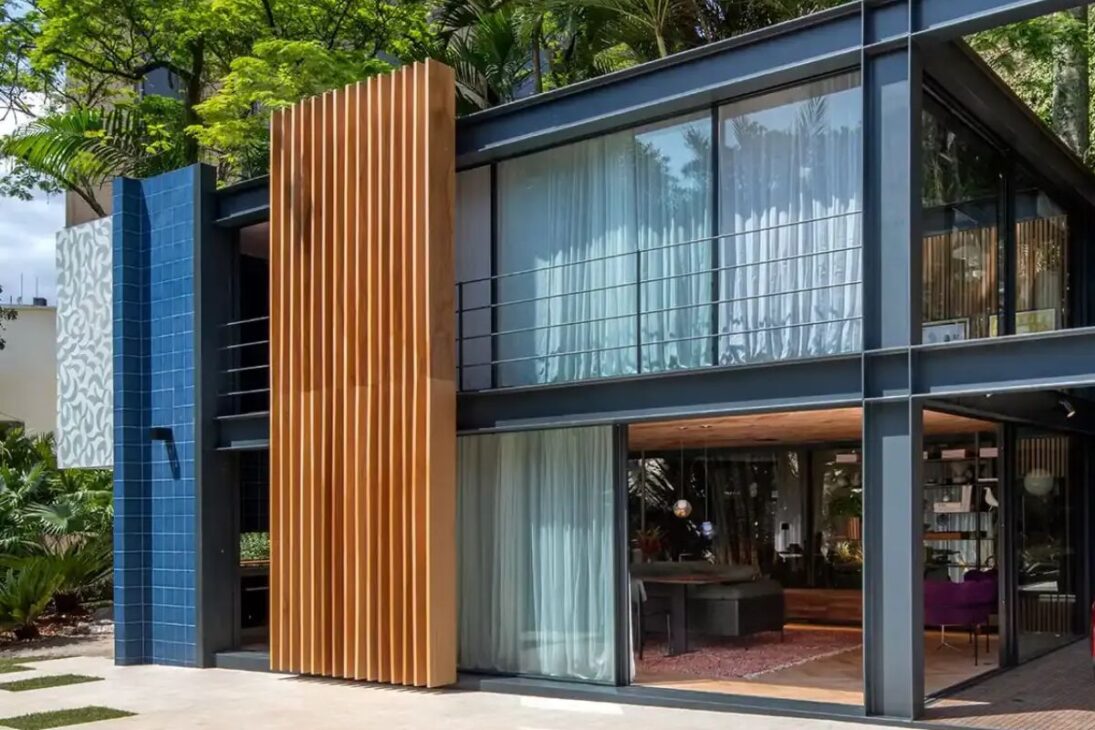
In addition to speed and cost, modular houses that can be assembled like Lego stand out for their durability. A study by FEMA (Federal Emergency Management Agency) after Hurricane Andrew in 1992 concluded that modular houses withstood strong winds with superior performance compared to traditional constructions.
Sustainability is another pillar. The industrial process reduces material waste by up to 90% and the generation of waste at the construction site. Furthermore, the use of materials such as certified wood and recyclable steel, combined with the possibility of integrating solar panels, makes these houses a much more eco-friendly option.
And you, would you live in one of the modular houses that can be assembled like Lego? Do you believe this is the solution for the future of housing in Brazil? Leave your opinion in the comments!





-

2 people reacted to this.