Portuguese
  Spanish



CBA Strengthens Its Clean Energy Strategy With Investment In Wind Farm Project And Expands Renewable Self-Generation Toward A Sustainable Future
The Brazilian Aluminum Company (CBA) has taken another important step toward the sustainable future of the national industry. By completing the acquisition of a stake in the Serra do Tigre Wind Complex in Rio Grande do Norte, the company reaffirms its clean energy strategy and long-term commitment to renewable self-generation.
Thus, the move consolidates a process that has been unfolding for years, marked by the search for efficiency, cost reduction, and, above all, by the energy transition that redefines the role of companies in light of climate change.
Since the early days of Brazilian industrialization, energy has always been the heart of aluminum production. Throughout the 20th century, the advance of this sector coincided with the construction of large hydropower plants, responsible for driving economic and industrial growth.
-
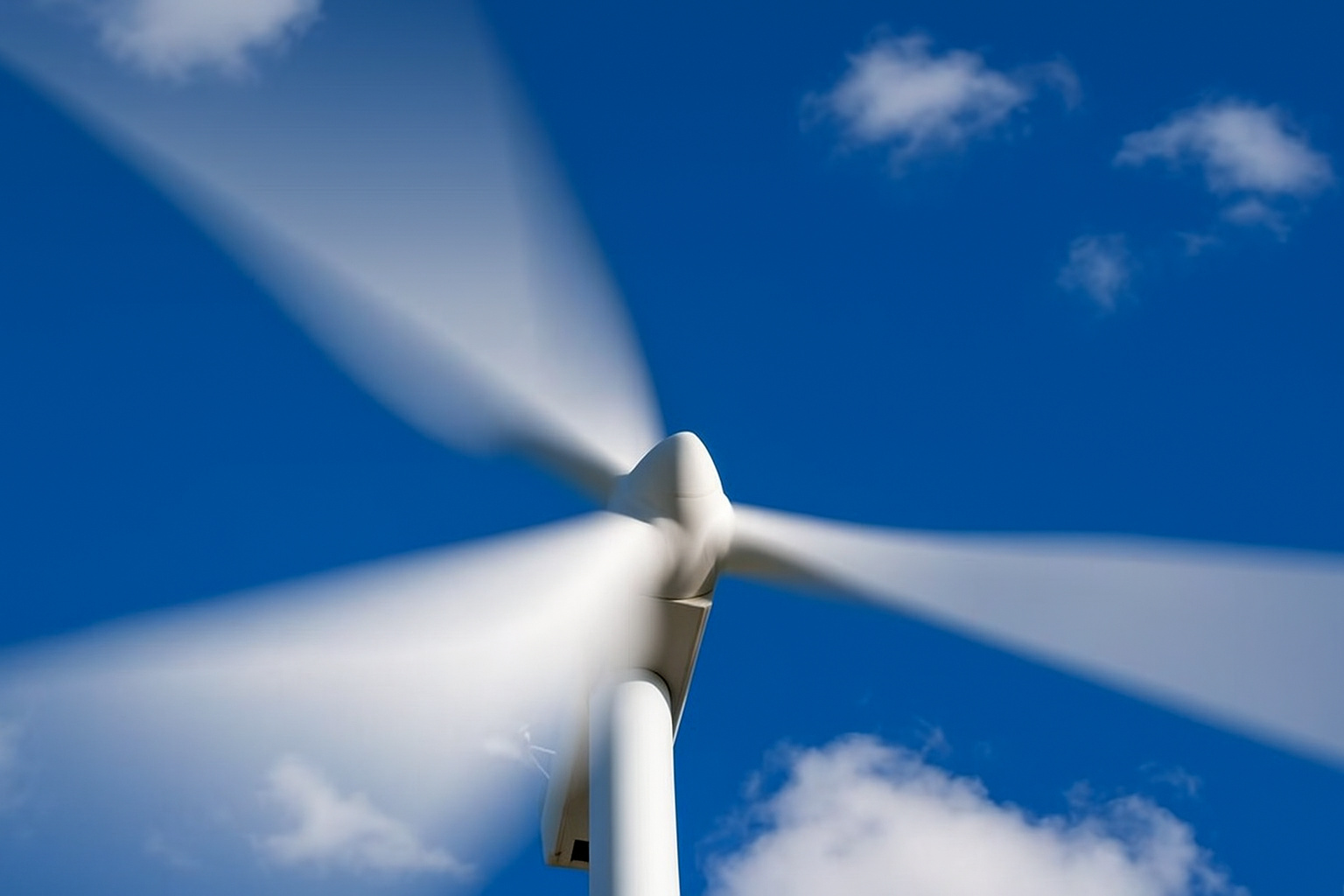
Brazil filled the Northeast with wind turbines but now faces the side effect of 705 giant blades reaching the end of their lifespan by 2032 just in Rio Grande do Norte, while the world projects 43 million tons of waste by 2050.

-
Brazil has filled the Northeast with wind turbines, but now it faces the side effect of 705 giant blades reaching the end of their useful life by 2032 just in Rio Grande do Norte, while the world projects 43 million tons of waste by 2050.
-
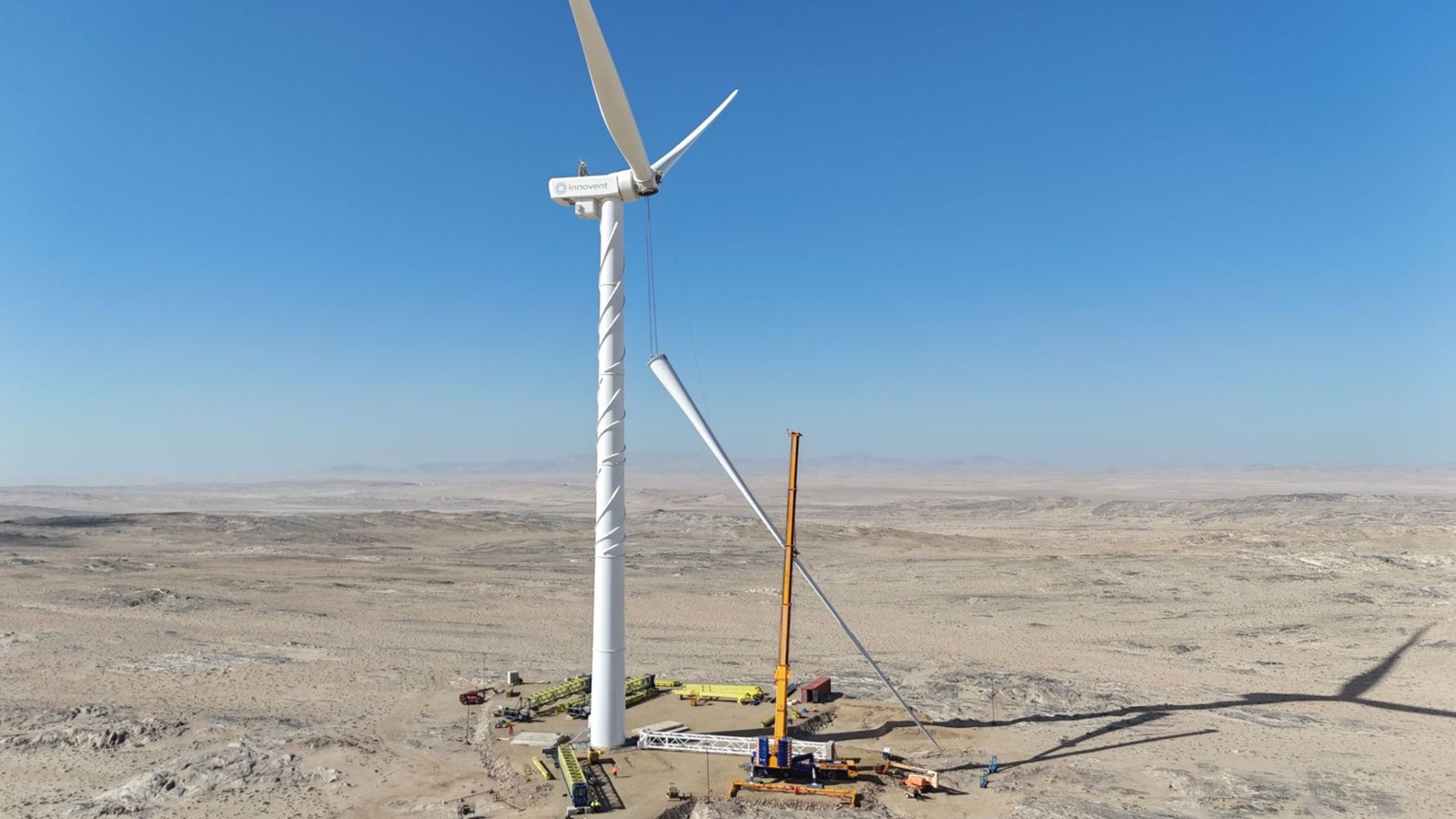
Wind farm in Namibia will have wind turbines assembled without giant cranes and is expected to avoid 200,000 tons of carbon dioxide per year when it becomes operational.

-
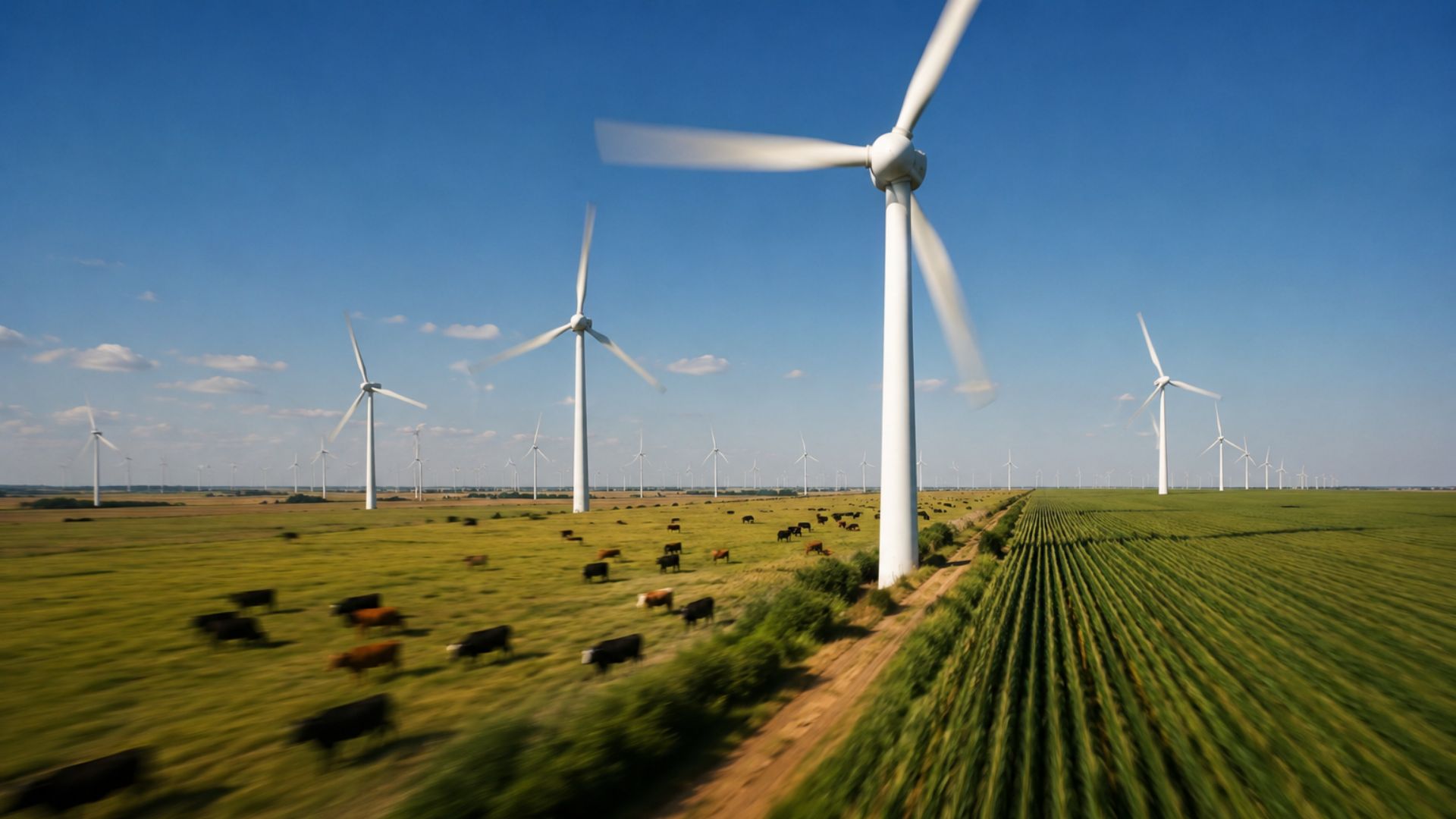
Taller than the Statue of Liberty, thousands of wind turbines are being planted in the middle of U.S. fields, creating two-story farms where corn and soybeans grow below while the wind turns into electricity above.


However, over time, the volatility of energy prices and environmental pressures transformed the need to adopt more sustainable models into a priority.
In this way, CBA understood that diversifying its energy matrix and investing in renewable sources would be essential to maintaining competitiveness.
As a result, the company’s clean energy strategy has gained even more relevance. The company began seeking alternatives capable of ensuring the energy supply for its operations while simultaneously aligning with the new global demands for decarbonization.
By investing in wind self-production, CBA strengthens its competitive position, reduces risks, and reinforces its environmental commitment.
This movement, therefore, reflects a growing trend among large Brazilian industries that see renewable sources as a real opportunity for sustainable growth.
Serra do Tigre And The Advancement Of Renewable Self-Generation
The Serra do Tigre Complex, located in the semi-arid region of Rio Grande do Norte, perfectly symbolizes this new phase. The region, historically marked by water scarcity, has transformed into a hub for wind generation, harnessing constant and abundant winds.
Thus, CBA’s presence in this territory represents more than just an investment: it is a social and environmental commitment.
The energy generated — about 60 MW average — will supply the Aluminum industrial plant in São Paulo starting in 2025, strengthening the company’s energy self-sufficiency.
Furthermore, this self-sufficiency brings benefits that go far beyond cost savings. It ensures predictability and stability to industrial operations, reducing reliance on external sources and potential energy crises.
In a country still facing structural challenges in the electric sector, generating one’s own energy has become not just an advantage but a survival strategy.
For this reason, CBA demonstrates long-term vision and adaptability to the new realities of the global market.
Historically, Brazil has always stood out for its renewable energy matrix, driven by large hydropower plants. However, climate change and drought periods have revealed the need for diversification.
As a result, wind and solar energy have shifted from being alternatives to becoming protagonists of the national matrix.
Thus, CBA’s clean energy strategy fits harmoniously into this context, combining technological innovation, competitiveness, and environmental responsibility.
Since its founding, CBA has operated in an integrated manner, from bauxite mining to the final production of primary and rolled aluminum.
For this reason, the company has always needed a solid energy planning.
The choice of renewable energy self-production is a logical and strategic response.
By investing in wind energy, the company combines predictability, cost stability, and lower carbon footprint — an essential tripod for facing the economic and environmental challenges of the 21st century.
Sustainability As A Driver Of Competitiveness
The investment in clean energy illustrates how the Brazilian industrial sector has been adapting to international demands. After all, in recent years, consumers and investors have started to value companies committed to sustainable practices.
The so-called “green aluminum”, produced with renewable energy, has gained relevance in the global supply chains.
For this reason, by investing in wind self-generation, CBA positions itself as a reference in the movement for industrial sustainability.
The initiative also reinforces Brazil’s image as a renewable powerhouse.
Moreover, it is important to highlight the economic context. The production of aluminum ranks among the most sensitive to electricity prices.
Therefore, tariff volatility directly impacts companies’ costs and margins.
With wind self-production, CBA reduces its dependence on the traditional market and protects itself from fluctuations, ensuring budget stability and greater predictability.
Thus, its clean energy strategy is not just environmental but also financial.
Energy security has become fundamental in an unstable global scenario.
In the face of geopolitical conflicts and currency fluctuations, renewable sources provide strategic protection and autonomy.
By consolidating a clean energy strategy, CBA contributes to the resilience of the national industry and demonstrates that sustainability and profitability can coexist.
At the same time, its investment in renewable energy stimulates innovation, attracts talent, and strengthens sustainable production chains.
This action expands the reach of social and economic benefits.
Since the Paris Agreement in 2015, governments and corporations have committed to emission reductions and to the energy transition.
In Brazil, policies to incentivize distributed generation have accelerated this change.
Consequently, the actions of companies like CBA have become essential for the country to maintain its climate goals.
Thus, by combining productive efficiency and environmental awareness, the company positions itself as a model of private leadership in sustainability.
Clean Energy And Regional Development
The Serra do Tigre wind project also shows how the energy transition benefits local communities.
In addition to generating energy, these enterprises create jobs, boost the economy, and improve regional infrastructure.
In this way, Rio Grande do Norte has established itself as a national leader in installed wind capacity, turning its natural potential into a vector for social and economic growth.
On the other hand, the positive impacts go far beyond energy generation.
The construction and operations of wind farms encourage professional training, strengthen local commerce, and increase municipal revenue.
Therefore, the advancement of the clean energy strategy directly contributes to regional development and the welfare of local populations.
Currently, CBA is also advancing in the acquisition of the Cajuína III Wind Farm, owned by Auren Energia.
This project complements its diversification strategy and consolidates the goal of achieving renewable self-sufficiency.
Thus, the company strengthens its cost structure and prepares for a low carbon emission future.
Moreover, by adopting wind energy as a central pillar, CBA demonstrates that sustainability and competitiveness go hand in hand.
Self-generation ensures autonomy and reinforces the prominence of the private sector in the energy transition.
In this way, the private initiative takes on a decisive role in building a more innovative, clean, and efficient industrial model.
Economic Impacts And Vision For The Future
Finally, the financial market is closely watching this movement.
Although CBA’s stock (CBAV3) experienced a temporary drop after the announcement, analysts agree that the clean energy strategy will bring consistent gains in the medium and long term.
After all, sustainable companies gain greater credibility with investors, while consolidating competitive advantage in a global environment driven by ESG criteria.
Consequently, the investment in renewable energy is likely to yield lasting results.
CBA anticipates global demands and reinforces its image as a modern, efficient, and environmentally responsible company.
In this way, its actions contribute not only to the strengthening of the industrial sector but also to the advancement of Brazil’s energy transition, which depends on the union between companies, governments, and society.
In summary, CBA’s movement shows how the clean energy strategy transforms challenges into opportunities.
In a world that requires efficiency and environmental commitment, investing in renewable sources has become the natural path for sustainable growth.
Thus, the Serra do Tigre Complex represents more than a wind project: it symbolizes the construction of a new industrial model, more conscious, innovative, and aligned with the planet’s needs.
Therefore, the Brazilian Aluminum Company reaffirms its leadership in the transition to a green economy.
The completion of the wind acquisition marks a strategic advancement, in addition to representing a real commitment to the environment and future generations.
By accelerating its clean energy strategy, CBA proves that progress and sustainability can indeed walk hand in hand.