Portuguese
  Spanish




Human Rights Commission Accepts Request for Public Hearing to Deepen Discussion on the Use of the Irani River Before Voting on Proposal Involving the Construction of a Hydroelectric Power Plant.
The Human Rights and Participatory Legislation Commission (CDH) will hold a public hearing to discuss the legislative decree project (PDL 723/2019). This project authorizes the hydroelectric use of the Irani River on indigenous lands located in Santa Catarina. The decision for the hearing, with no date yet set, was made this Wednesday (21). This information comes from Agência Senado.
Public Hearing Will Analyze Legislative Decree Project
The PDL 723/2019, which proposes the hydroelectric use of the Irani River, was presented about six years ago. Its author is then-senator Jorginho Mello, current governor of Santa Catarina. The matter was on the CDH’s voting agenda this Wednesday. However, senator Weverton (PDT-MA) presented a request (REQ 42/2025 – CDH) asking for the discussion of the proposal.
The rapporteur of the matter, senator Jorge Seif (PL-SC), stated that the topic has already been widely debated. He considered the proposal ready to be voted on. However, the president of the CDH, senator Damares Alves (Republicanos-DF), advocated for the importance of accepting Weverton’s request. According to her, a more in-depth debate is crucial, even to avoid judicialization of the issue. Damares Alves informed that the hearing will be scheduled soon.
-
Brazilian scientists are simultaneously advancing two research projects on clean hydrogen and driving solutions that could transform the energy matrix, enhance industrial competitiveness, and accelerate large-scale emission reduction targets.

-
Advancement in renewable energy: A R$ 150 million project launched by Petrobras and Finep aims to create state-of-the-art electrolyzers for green hydrogen, strengthening national research and preparing Brazil to compete in a billion-dollar energy market.
-
Illiterate or semi-literate grandmothers were trained to repair solar systems, open rural workshops, and light up homes that still depended on kerosene.
-
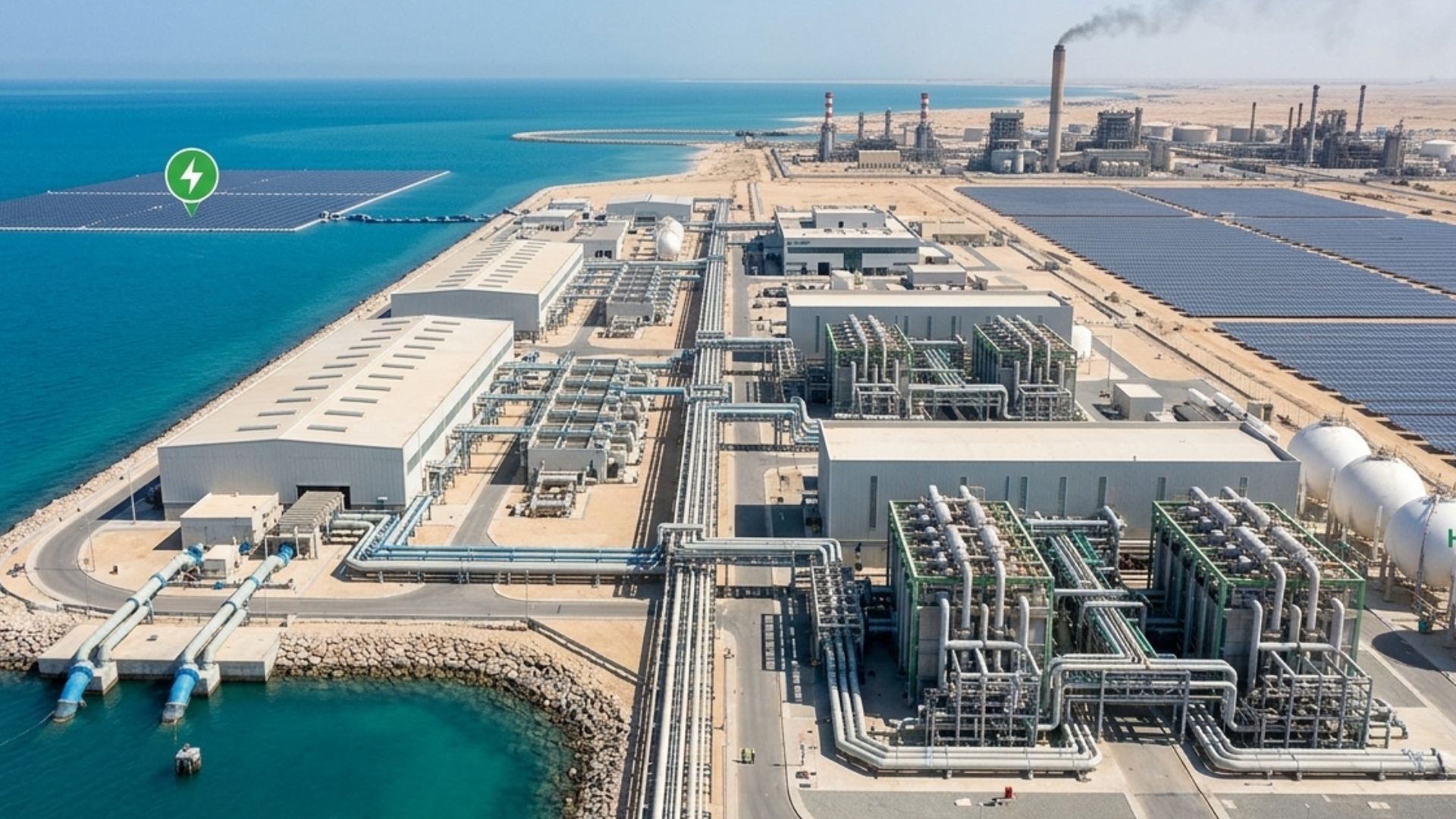
The world has bet on green hydrogen as the fuel of the future, but now faces the side effect: producing 1 kilogram requires about 9 liters of ultrapure water, and the largest projects on the planet are precisely in the driest regions of the Earth, where water is already scarce for people.




Details of the Hydroelectric Use Proposal
The PDL 723/2019 provides that the use of the hydroelectric potential of the Irani River must reach part of the indigenous lands Toldo Chimbangue I and II. The text also stipulates that this can only be carried out upon presenting an environmental impact study.
Conditions and Compensations for the Indigenous Community
In addition to the environmental study, the project establishes important conditions. The participation of indigenous people in the results of the hydroelectric enterprise is guaranteed. Compensation to the indigenous community for any social and environmental burdens is also provided for.
In the justification of the project, Jorginho Mello states that the proposal to install a small hydroelectric power plant (PCH) on the Irani River involved active participation from the affected indigenous community, reaching an agreement. He reiterates that it was agreed that the Caingangue indigenous people would participate in the results of the energy potential exploitation.
Legal Basis and Arguments for the Hydroelectric Power Plant
According to senator Jorge Seif, two constitutional requirements must be met for a project of this type to advance. The first is a law that regulates the matter. The second is the express authorization of the National Congress through a legislative decree. According to Seif, the project under consideration meets the second requirement.
The senator emphasizes that the general law on the matter has not yet been approved. However, in his view, ILO Convention No. 169, which deals with the rights of indigenous and tribal peoples, fulfills this role as it is integrated into Brazilian legal order. “In the absence of the general guarantee that would be provided by ordinary law, there are specific guarantees provided in ILO Convention No. 169,” Seif argues in his report, as disclosed by Agência Senado.
According to him, the ILO convention guarantees indigenous peoples the right to choose their own priorities in the development process. Seif states in his report that, “in the case of constructing the small hydroelectric power plant in question, documents accompanying the original proposal indicate that there was a long and careful consultation process with the indigenous peoples, who decided in favor of the partnership.” The senator points out that the project’s countermeasures include participation in the results, planting fruit tree seedlings, building a cultural center, and hiring indigenous workers, among other things.