






 Portuguese
  Spanish


Areas at Airports in Rio Hold About 15 Abandoned Airplanes, Among Historic Brands Like VarigLog, Revealing Memories of the Past and Potential Futures for These Idle Giants.

The Carioca “Graveyards”
Recent reports from CBN show that at least 15 airplanes are abandoned at Rio’s terminals, including Galeão Airport, with carcasses of brands like VarigLog sitting without a return date.

Among the wreckage are Douglas and Varig jets, remnants of the Brazilian aviation’s “golden age,” when flying was still a symbol of prestige.
Why Does the Airplane Graveyard Exist in Rio?
Have you ever seen an airplane parked for years at an airport? These places are called airplane graveyards, areas where abandoned and out-of-operation aircraft are kept. In Rio de Janeiro, about 15 airplanes, including classics from former companies like Varig, rest silently in areas of Galeão and other airports. Most are from major airlines that closed, leaving behind true relics of Brazilian aviation.
-
The Mystery of Roanoke: Entire Colony Vanished Without a Trace, Leaving Only “Croatoan” as a Clue and Becoming a Historical Legend

-
Namibia Plans to Build Homes for the Homeless Using Mushrooms and Invasive Plants to Tackle Housing Crisis

-
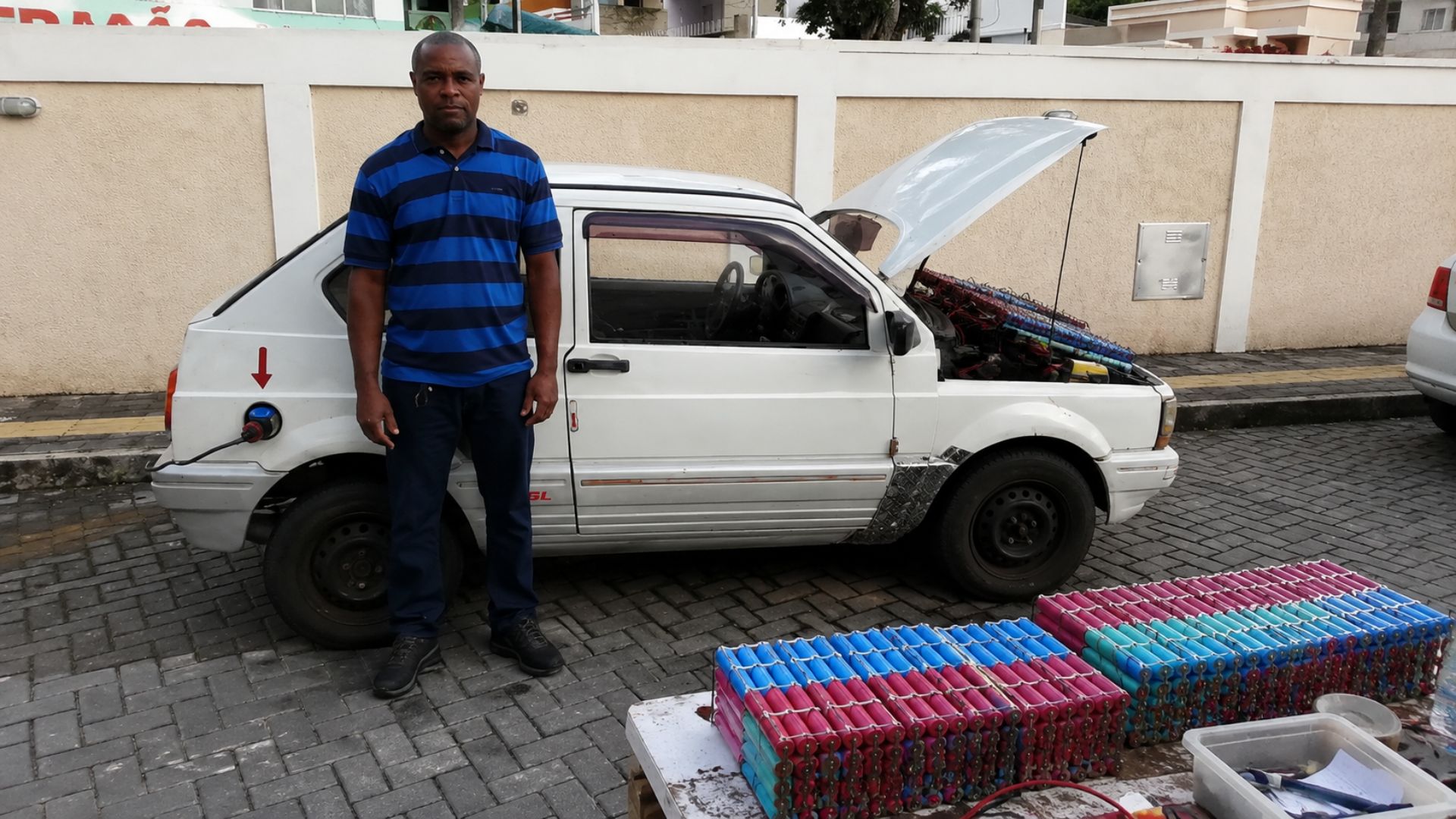
Brazilian Innovator Converts Old Car into Electric Vehicle Using Laptop Batteries and Forklift Motor, Achieves Nearly 90 km/h in Urban Settings

-
Brazil Launches Mobile ID as Mercosur Approves Mutual Recognition of Digital Identities for Public Services Across Member Countries



What Happens to Abandoned Airplanes?
The abandoned airplanes in Rio become airplane scrap, can be recycled, serve as parts for other models, or even turn into tourist attractions.
The high cost of dismantling or removing the carcasses, along with bureaucracy and legal disputes, means these idle aircraft remain for years without a definite destination.
Some airplanes even gain new life in cultural projects, themed bars, or museums, showing that an airplane graveyard can surprise.
From Trash to Asset: Is There a Solution?
In Manaus, a Boeing 737-200 nearly 50 years old was removed from the “graveyard” and transformed into a urban project in Tarumã.
Such cases show the interest in solutions that blend heritage and sustainability.
What Lies Ahead
- Aircraft at Galeão may be relocated or sold
- There are projects to convert fuselages into themed attractions, cafes, and cultural centers (without official confirmation on a case-by-case basis)
- Monitoring of aviation indicates a growing market in repurposing parts and recycling metals.
Surprising Curiosity
Brazil does not have official airplane graveyards like the U.S., but it reproduces small storage areas in airports and hangars — and it is precisely these “partial graveyards” that inspire repurposing, spotter tours, and media coverage.





a primeira foto com diversos boeing 747 nao é no brasil. voce colocou ela sem saber ou fez de proposito pra enganar as pessoas ?