Portuguese
  Spanish


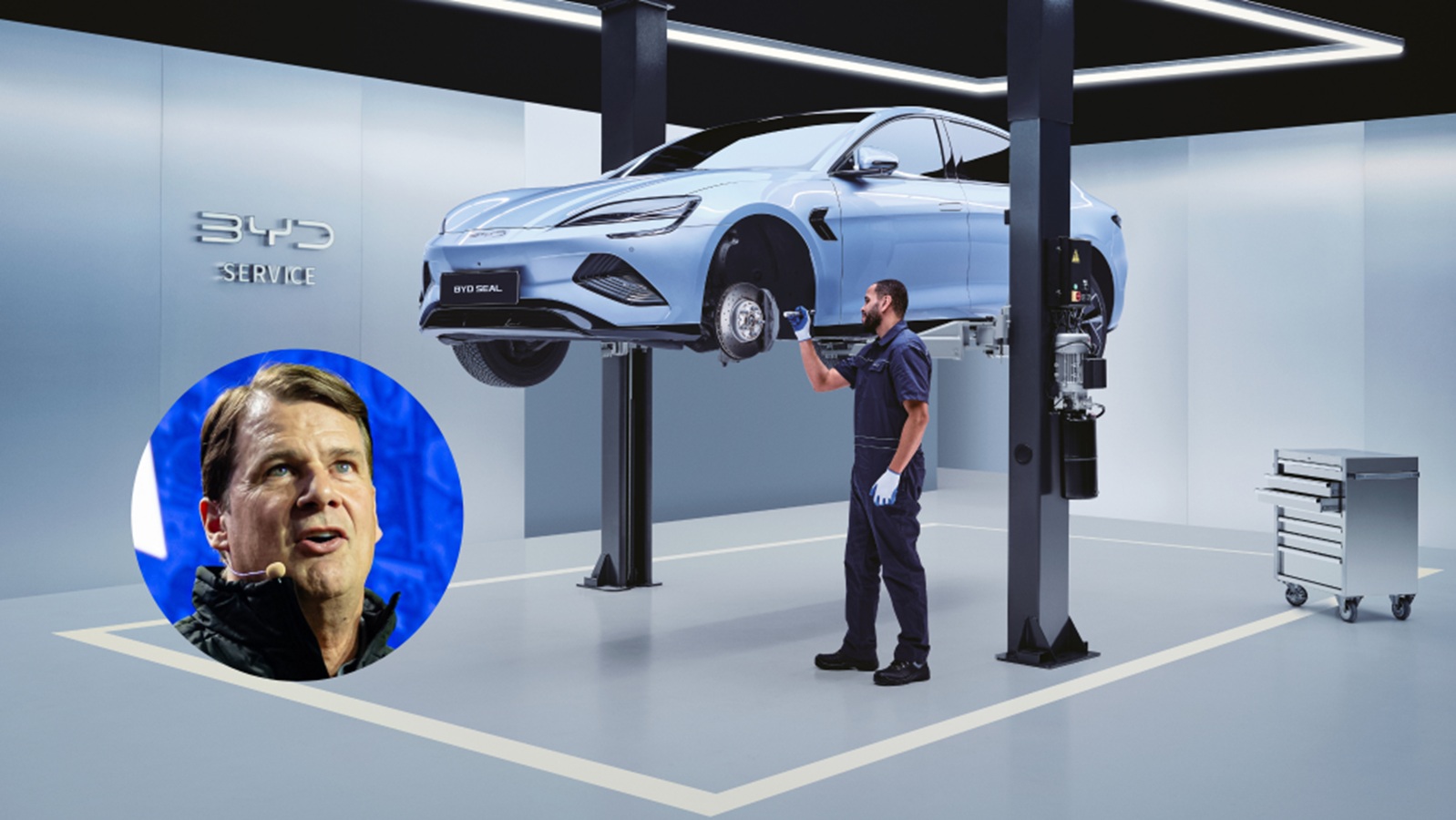


Ford CEO Warns of Asian Rivals’ Advance and Announces Affordable Electric Platform to Face Changes in the Automotive Market.
Ford CEO Jim Farley has once again expressed concern about the rise of Chinese electric car manufacturers.
On various occasions, he has categorized this expansion as an “existential threat” to traditional automakers.
During the Aspen Ideas Festival 2025, Farley was direct and cited two brands that, according to him, deserve special attention: BYD and Geely.
-
BYD’s All-Electric Sedan with 530 HP and 0-100 km/h in 3.8 Seconds Becomes a Used Car Bargain After Depreciating by R$ 117,000

-
Electrified Cars Made or Assembled in Brazil Now Account for 39% of Sales, Driving Industrial Shift in the Sector

-
Renault Kwid Outsider 2023: Affordable Used Hatchback with 1.0L Engine, 15.7 km/l Efficiency, and Ample Cargo Space for Around $11,000

-
Chevrolet SUV Offers 153 hp Engine, 620 km Range, and ADAS Features at a Lower Price Than a New Kwid
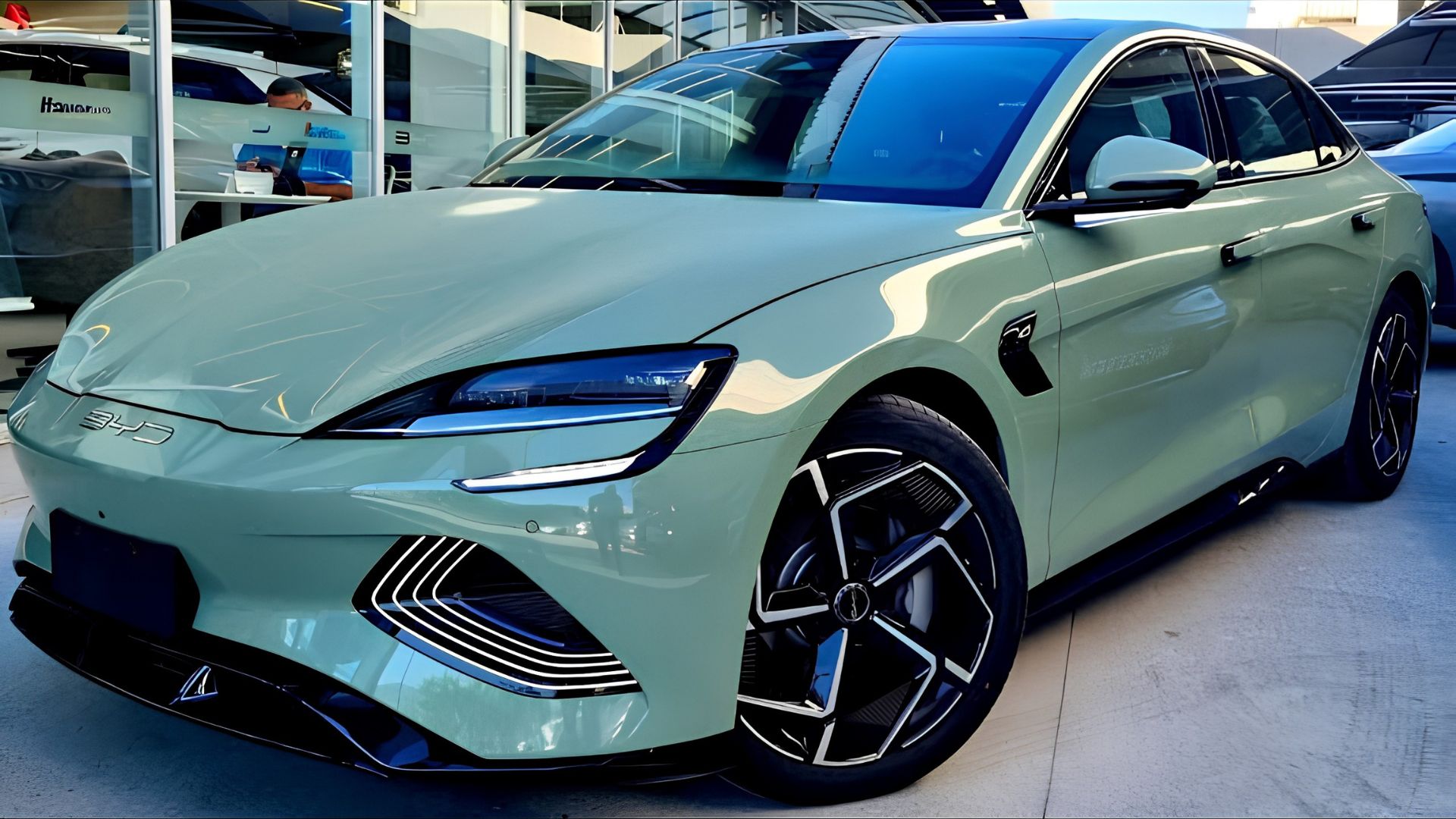


The executive emphasized that these companies are rapidly advancing in technology, quality, and costs, which are crucial factors for gaining a foothold in the European market.
In the past, Farley had also praised the growth of companies like Huawei and Xiaomi in the automotive sector.
Direct Experience in China
Farley speaks from close observation. In 2024, he visited China seven times to closely monitor the evolution of the local industry.
On one of those trips, he was impressed by the speed of innovation from the brands. “What really keeps me up at night is the speed at which the Chinese are innovating,” he stated.
This interest led Ford to dismantle and analyze an electric vehicle from BYD.
Among the points that caught his attention, the CEO highlighted the efficiency of LFP (lithium iron phosphate) batteries. Produced internally by the Chinese brand, they eliminate the need to pay profit margins to suppliers while maintaining quality.
Necessary Adjustments at Ford
To face this competition, Farley advocates for changes in Ford’s production structure.
According to him, it is necessary to have smaller factories, use less labor, and reduce process complexity. This strategy seeks to align the efficiency of the American company with the development pace of Chinese brands.
He emphasized that competitiveness depends on agility. The advancement of BYD and Geely, for instance, pressures Western manufacturers to rethink production models and accelerate launches.
New Electric Platform
Ford’s response is already planned. On August 11, the company will hold an important presentation in Kentucky to unveil its new electric vehicle platform. Farley described this launch as a “Model T moment” for the automaker, referencing the historic impact the vehicle had in the early 20th century.
The focus will be on producing compact, affordable electric cars equipped with cutting-edge technology. The goal is to broaden the brand’s reach and compete directly with Chinese models that stand out for their cost-effectiveness.
Strategy for the Future
The new architecture promises to optimize costs and accelerate the development of affordable electric vehicles. Farley believes this approach will allow Ford to regain market share and better meet the demands of an increasingly discerning global audience.
Most importantly, he notes, is the need to act quickly to avoid losing market share in a rapidly transforming sector. For the CEO, the scenario demands firm decisions and targeted investments to address the threat posed by the advance of Chinese manufacturers.