Portuguese
  Spanish


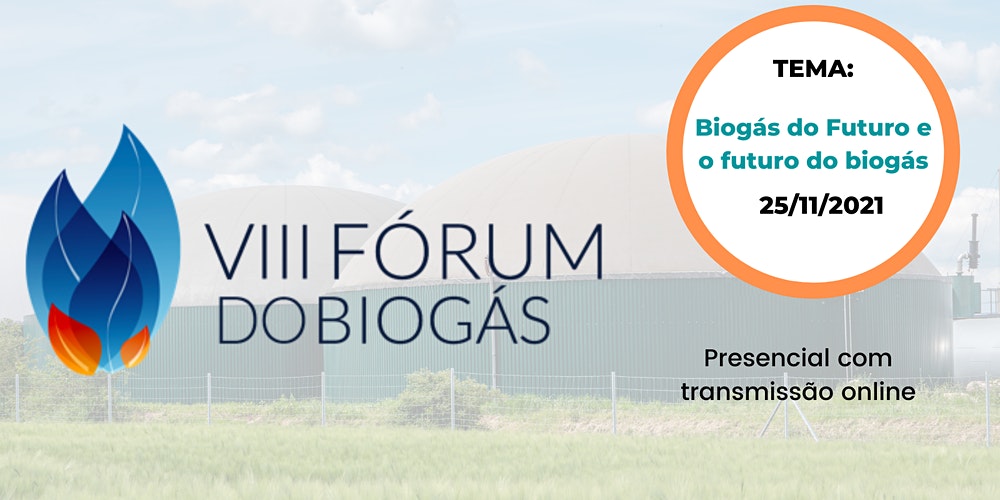

The Biomethane Certificate and the Role of Abiogás in the Decarbonization of Brazil Were the Themes of the Abiogás Forum in São Paulo. Check Out More Details!
During the VIII Biogas Forum, Abiogás (Brazilian Biogas Association) revealed the new biomethane certification seal, which will help the biogas market. In addition, the advancements in the market in 2021 were celebrated, despite the challenges, and the future of the market for the coming years was projected, highlighting the role that biogas will play in the new energy reality with decarbonization.
“Integration is the great strength of biomethane. We had a growth of 15% this year, with 45 new plants connected to the grid. I consider this an excellent result, given the challenges we faced in recent years. In distributed generation, the numbers are even better, we grew by 37%, showing the importance that this energy generation model has for biogas,” stated the president of Abiogás, Alessandro Gardemann.
- Paraná Government Develops Program for Farmers to Finance Photovoltaic Solar Energy and Biogas at Zero Interest
- Electric Bus Marcopolo: Bolsonaro Drives 100% Domestic Vehicle and Talks About the Future of Decarbonization in Brazil.
- Green Hydrogen – Benefits, Importance, and Differentiators for Decarbonization and Brazil’s Economic Future. Discover This New Alternative
- Biomethane, Considered the “Caipira Pre-Salt,” Will Be Impacted by the New Gas Law and Market Opening, and Will Also Be One of the Main Topics Discussed at the XII National Regulation Congress
He discussed this and other future projects for biogas in 2021 in Brazil, which, besides being efficient and profitable, also has the added advantage of transforming ecological liabilities such as waste, debris from animal husbandry, and plant biomass into an easily obtained, safe, and efficient source of energy. In addition, along with Green Hydrogen, biomethane and biogas become three easy and efficient solutions that Brazil has to offer for the decarbonization challenge.
-
At 14 years old, she worked in a factory in Hong Kong, studied economics abroad, and then entered the Chinese real estate market, which helped change the landscape of Beijing.

-
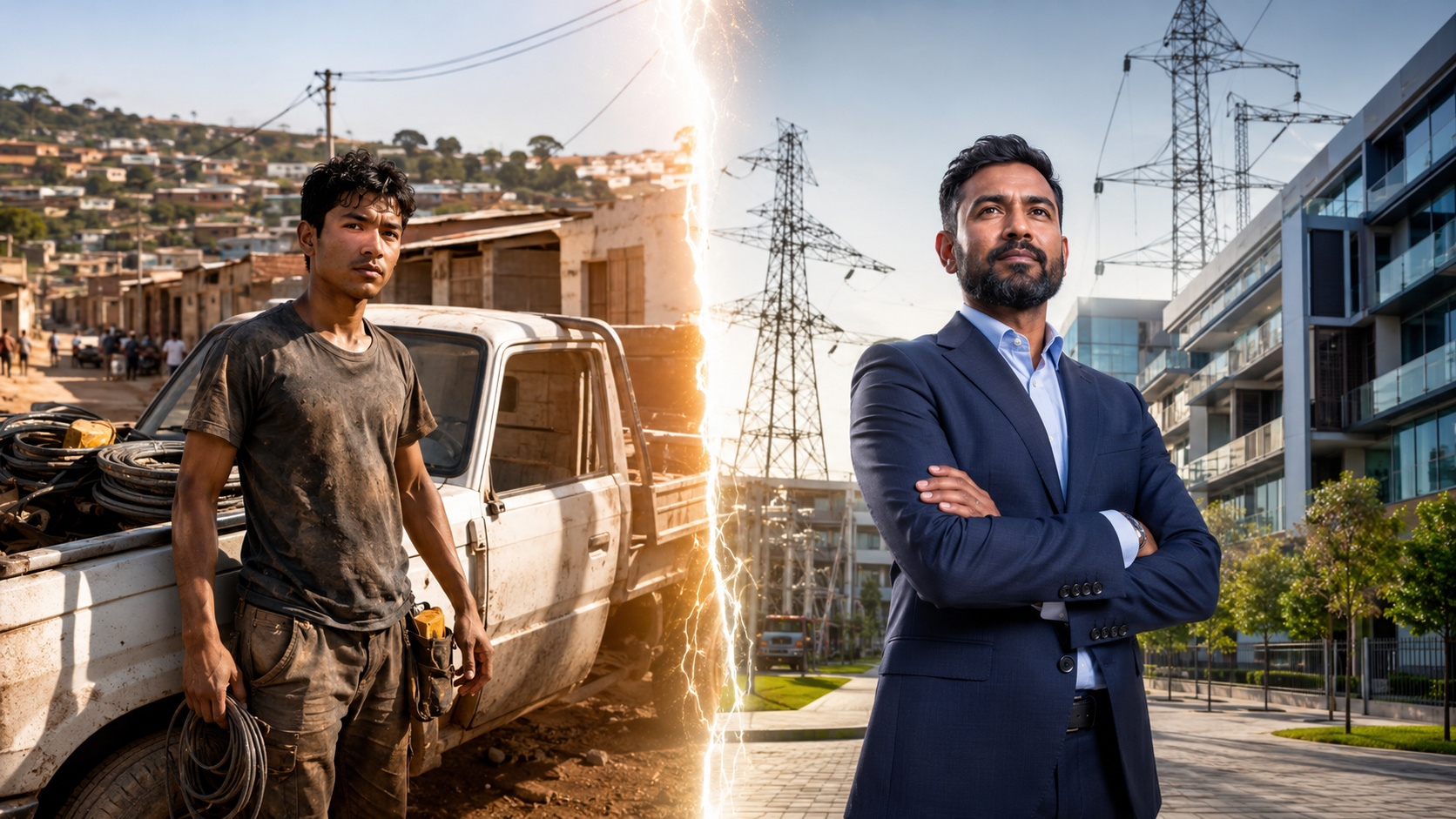
Fired during apartheid and with a little borrowed money, an electrician started with a borrowed truck and transformed electrical services into a group connected to energy, real estate, and infrastructure in South Africa.
-
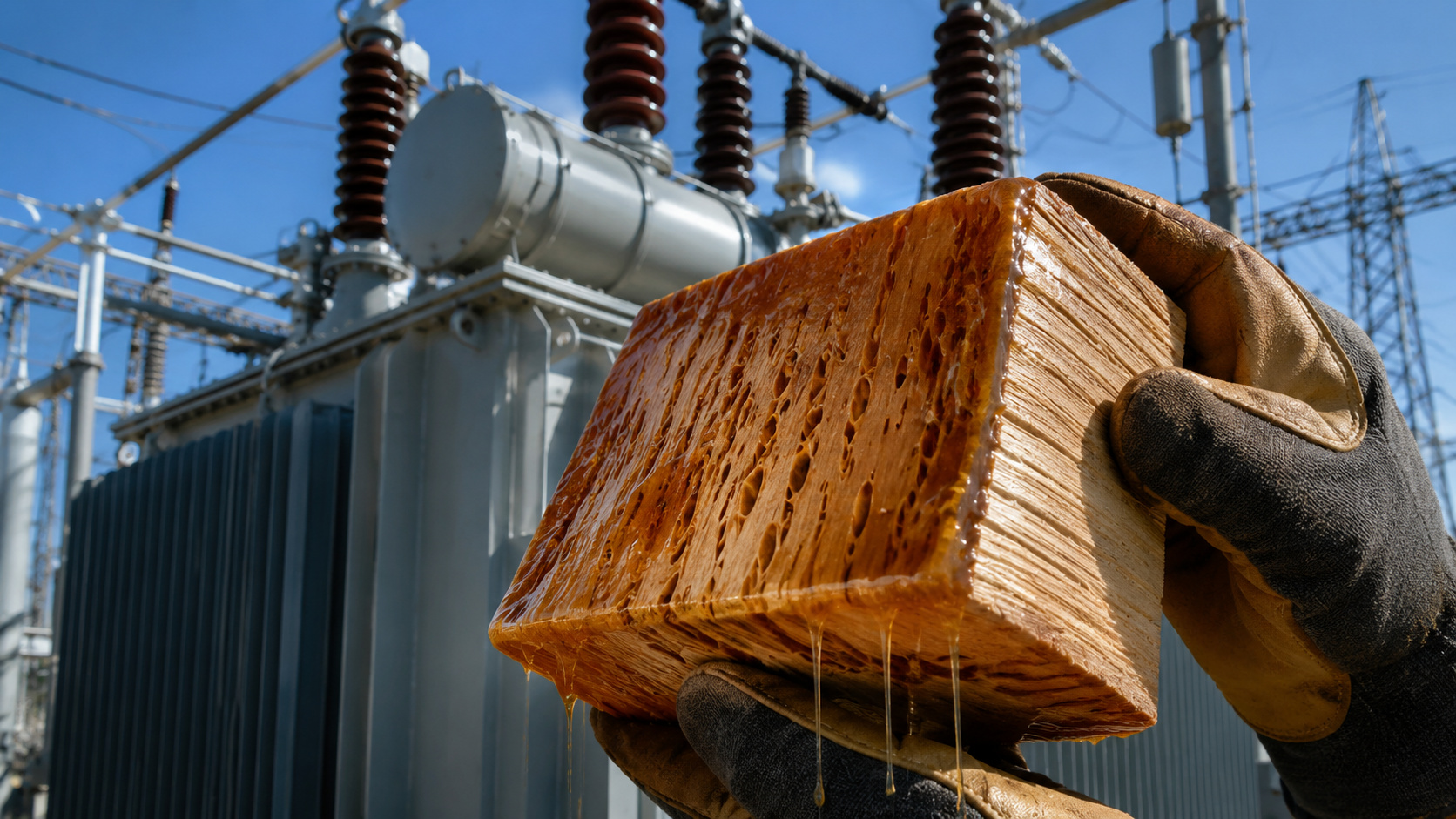
Wood has ceased to be just a construction material in Yale research and has become insulation for electrical transformers that face intense heat, aging, and increasing pressure from the renewable energy-powered grid.
-
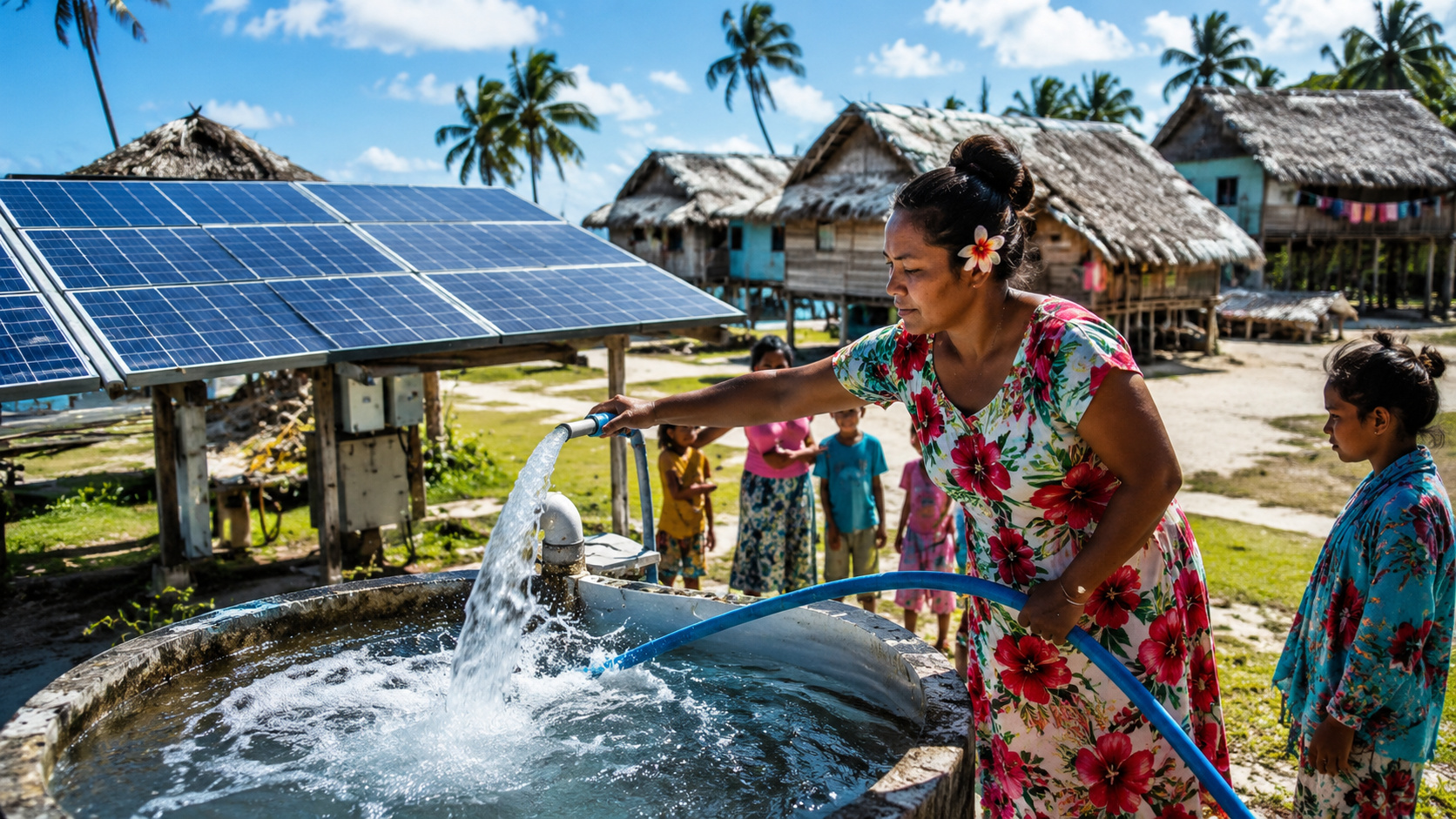
More than 1,000 residents of a remote island in Kiribati now have clean water and electricity with solar systems operated by the community itself.

Taking into account the fact that we are one of the largest meat producers in the world, the largest producer of sugarcane, and other products that can be used for biogas production, which even includes the use of a significant portion of urban biological waste, the possibilities for this market in Brazil become even more interesting.


Biogas Investments Facilitated with the Creation of the Guarantee Fund
Another news announced at the event was the official disclosure of the creation of the biogas guarantee fund, which is a fund created to offer guarantees to creditors in the biogas industry, so that various projects within this market can be financed with more peace of mind.
One of the biggest challenges faced by companies interested in investing in biogas as an alternative to fossil fuels is the bureaucracy, which is quite substantial from banks for loan generation for investment in biogas.
The purpose of the guarantee fund is to expedite this process, allowing entrepreneurs to apply for credit more directly and easily, also avoiding uncompetitive interest rates and other financial limitations that hinder investments in this market.
Large Companies See Biogas as a Solution for Meeting Decarbonization Goals Set at COP 26
Another interesting highlight of the event is the presence of companies from other sectors that, although they do not produce energy or biogas, are interested in these technologies as part of the global decarbonization pact established at COP 26.
Unilever shows its interest in biomethane and biogas, with all their possibilities, seeing them as a way to achieve their decarbonization goals, which are quite interesting.
The company stated that it intends to fully decarbonize by 2039, cutting its carbon emissions in half by mid-2030.
The Future of Biogas in the Brazilian Energy Sector.
The future of biogas in Brazil is extremely positive, according to what has been stated by various experts and government authorities at the Forum.
Highlighting the words of the Secretary of Rural Development, Irrigation, and Innovation, Fernando Camargo, “Unlike other countries, our biogas is not linked to any type of subsidies because it will pay for itself. We are resolving an environmental liability and generating energy. Not to mention the possibilities of green hydrogen.”
Although it still does not have a significant share, like photovoltaic and wind energy, biomethane and green hydrogen have been growing significantly in recent years, and the trend is for this exploration to become even more pronounced, as was evident.