Portuguese
  Spanish


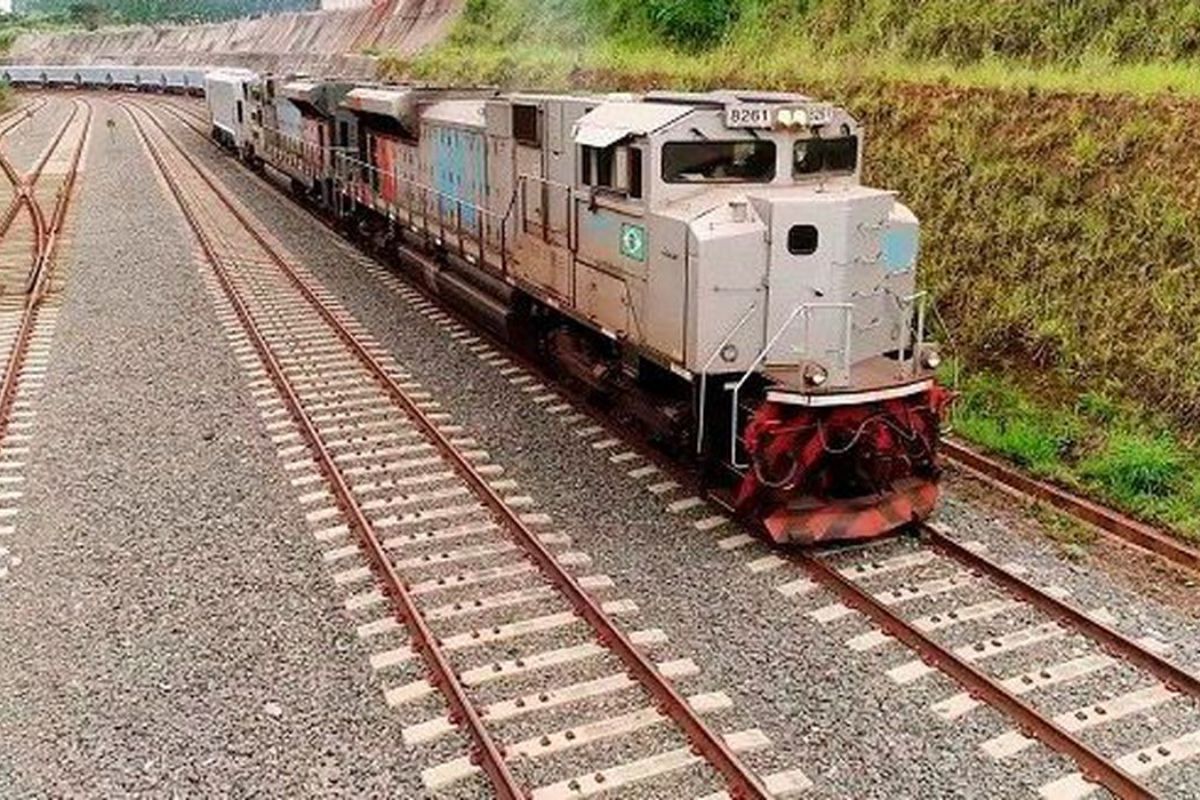

The Railway Sector in Brazil Will Receive Billion-Dollar Investment from Large Private Companies
Through his social media, the President of the Republic, Jair Bolsonaro, made a statement this Saturday (25) pointing to new negotiations in the railway sector in Brazil. According to him, the Federal Government is seeking to restore the railway morale to expand the available means of transportation in the country. So far, the government has reportedly received 78 requests for the construction and operation of railways from private initiative, which would generate more than 2 million new jobs direct and indirect.
The total investment from private initiative is estimated at R$ 237 billion to breathe new life into the railways throughout the national territory. The Federal Government’s concessions to private initiative may stimulate and revive a cost-effective means of transportation, especially at a time when fuel prices are rising. Learn more in today’s article.
Learn How Railway Concessions Work Through the National Land Transport Agency (ANTT) in the Video Below.

Railways Have Existed in Brazil for 70 Years and Are Neglected Due to Abandonment
The railway network in Brazil has existed for 70 years and is in a precarious situation, being little used for production flow, which was its intended purpose. The trains were heavily used for transporting coffee during the colonial era, generated numerous jobs at the time, and reached a coverage of 31 thousand kilometers in 1957, when it was at its best. However, after that, the railways did not receive further investment and were left abandoned over time.
-
Brazil’s Imigrantes Highway Celebrates 50 Years with Plans for Major Expansion, Including a 6 km Tunnel and Third Lane to Ease Traffic to São Paulo’s Coast

-
Brazilian Job Market Surprises: Unemployment Falls to 5.6%, Hits Record Low for May, Brazilian Incomes Rise, and Underemployment Reaches Lowest Level Ever Recorded by IBGE

-
Chinese E-commerce Giant Predicts Robots Will Replace 700,000 Delivery Workers as Autonomous Vehicles Expand to 200 Cities, Offering Training for Workers to Maintain Their Machines

-
Trump warns Europe with 100% tariff threat on digital tax, potentially impacting wine and trade agreements


“The outlook is terrible. What has been done so far cannot be considered progress. The transport of passengers in Brazil has not been resolved. We, from civil society, are concerned about the Regulatory Framework for Railways and the authorizations for hotlines (railways integrated with other modes). When it comes to concessions, no requirement was created to include passenger railways. They cannot only be freight railways. Today railways are only used to export soy, corn, sugar, and iron.”
José Manoel Gonçalves, President of Ferrofrente in a statement to Correio Braziliense (2021)
According to the Ministry of Infrastructure, in 2021, railways made up only 15% of the means of transportation in use in Brazil, which is very little. Brazil is a country with continental dimensions and needs to distribute its production over more than 8 thousand square kilometers, which is a significant challenge through highways and maritime transport alone.
Strengthening the Railway Network by the Federal Government and Private Initiative Can Lead to Economic Development in Several Regions of Brazil and Reduce the Costs of Supplying Goods and Inputs
At a time when fuel prices are alarming due to inflation, the search for alternative means of transportation can be a great solution. The railway network would be one of those alternatives and would reduce the costs of supplying goods and inputs. Additionally, it would bring economic development and millions of jobs at a time when many people need job opportunities.
This means of transportation reduces environmental impacts, accelerates transportation processes due to lower highway usage, and connects different regions of Brazil. According to a survey by Ferrofrente, an entity promoting the sector, vehicles powered by gasoline, diesel, and ethanol can be up to four times more polluting than trains.
The challenge of connecting the country through railways is quite significant, considering the diversity of existing biomes and large areas of preserved forests and watersheds. However, other alternatives and routes can be considered; it only requires investment, which will reportedly come from private initiative, and will generate millions of new jobs.