






 Portuguese
  Spanish


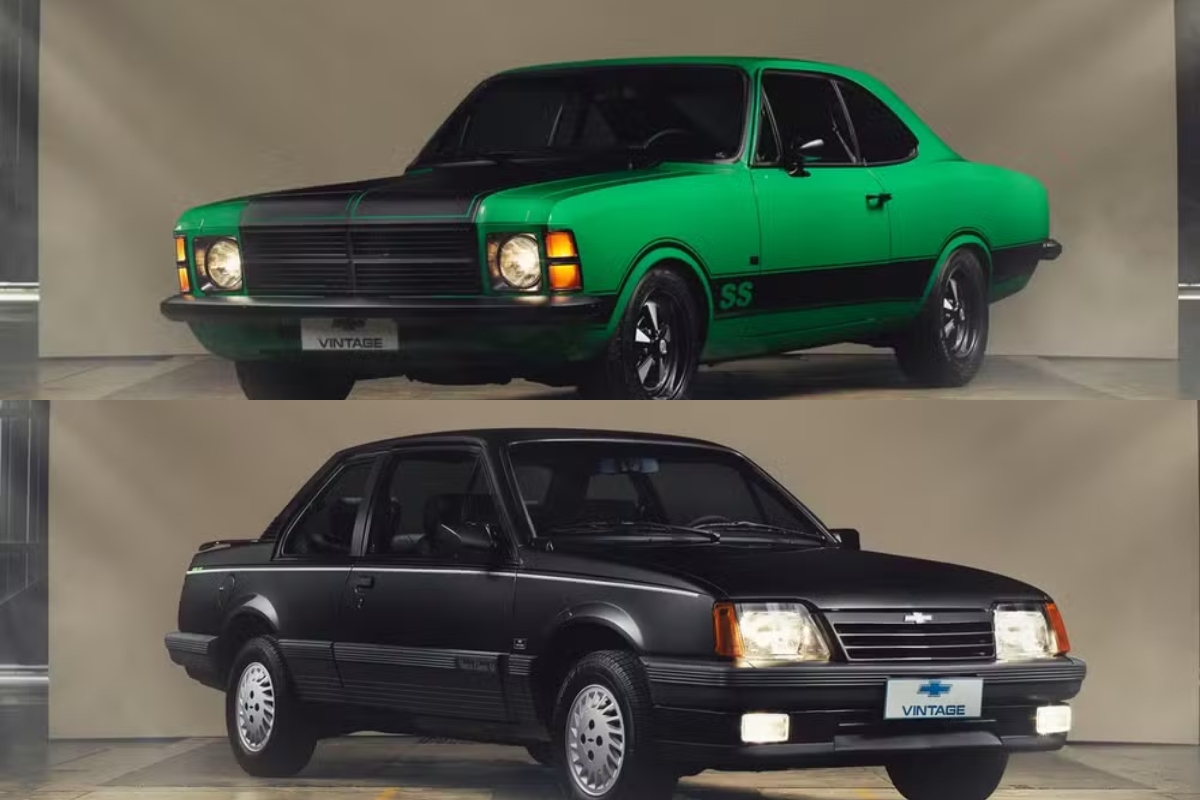


Chevrolet Launches Vintage Program in Brazil, Bringing Back Classics Like Opala and Monza. Restored with Authenticity and Technology, the Models Celebrate 100 Years of the Brand and Will Be Aimed at Collectors
The Opala and the Monza, two classics that marked generations in Brazil, are back—but in a different way. Chevrolet has officially launched the Chevrolet Vintage program in the country, aiming to restore historical vehicles from the brand and make them available in exclusive auctions.
This initiative is part of the celebration of the manufacturer’s 100 years in Brazil and promises to unite nostalgia, technique, and innovation in a single proposal.
What Is Chevrolet Vintage
Initially presented in February and now put into practice, the project brings together specialized workshops that work side by side with engineers from General Motors.
-
Banco do Brasil and Uber Launch Cashback Program Offering Up to 3.5 Loan Installments Back, Drivers Gain Access to New Cars Worth Up to $30,000 Through Move Brasil Initiative

-
Looking for a Car for Dirt Roads? Fiat Uno, Strada, and Volkswagen Gol Offer Durability and Affordability

-
MG Motor to Produce Two Electric Cars in Brazil with $75 Million Investment, Creating 600 Jobs
-
Nissan Kicks S Direct 2018: Affordable Used SUV with Over 13 km/l Fuel Efficiency, 432-Liter Trunk, and CVT Automatic Transmission


The idea is to breathe new life into iconic models like Opala, Monza, Kadett, and S10, among others, respecting two distinct lines: faithful restoration and the so-called restomod.
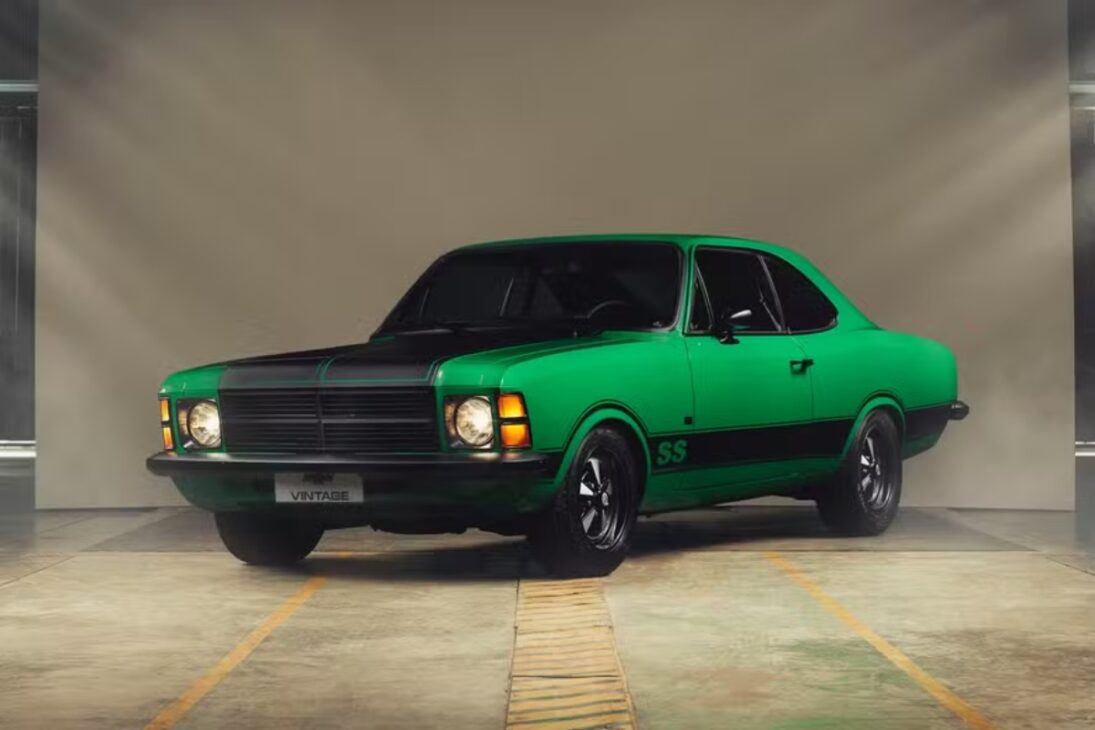
In the first, called “Restoration,” Chevrolet seeks to recover the original factory condition, maintaining every detail, from fabrics to screws.
The “Restomod” style preserves the classic identity of the car, but with technological and mechanical updates, such as modern brakes, revised steering, and even direct injection in old engines.
First Batch of Restored Models
In this initial phase, ten cars were carefully selected to undergo the restoration process. The list features vehicles from different decades and styles, all of historical relevance to GM in Brazil. They are:
- 1979 Opala SS-V
- 1994 Omega CD Irmscher
- 2004 S10 Rally
- 1990 Monza 500 EF
- 1992 Kadett GSI
- 1959 Chevrolet 3100 Brasil V8
- 1996 D20 Conquest
- 1976 Opala SS-A
- 1974 Chevrolet Rally
- 1976 C-10 V8
All the restored models will be sold at an auction scheduled for November, and part of the proceeds will be donated to the GM Institute, responsible for social projects in various areas.
How Restoration Works
According to Chevrolet, the process is highly technical and involved research into old production catalogs, service manuals, and even contact with original suppliers to reproduce materials identical to those used in the past.
In some models, fabrics and finishes were recreated following the same specifications from decades ago.
Additionally, each restored car receives identification plates both on the body and the engine, certifying the vehicle under the Chevrolet Vintage program.
The partner workshops responsible for the work were Z28, Batistinha, and Fullpower, with direct oversight from GM engineering teams.
Before delivery, the vehicles underwent laboratory tests and track trials, assessing dynamics, noise, vibrations, drivability, and braking—everything to ensure they perform as true classics but within safe parameters.
Highlights Among the First Classics
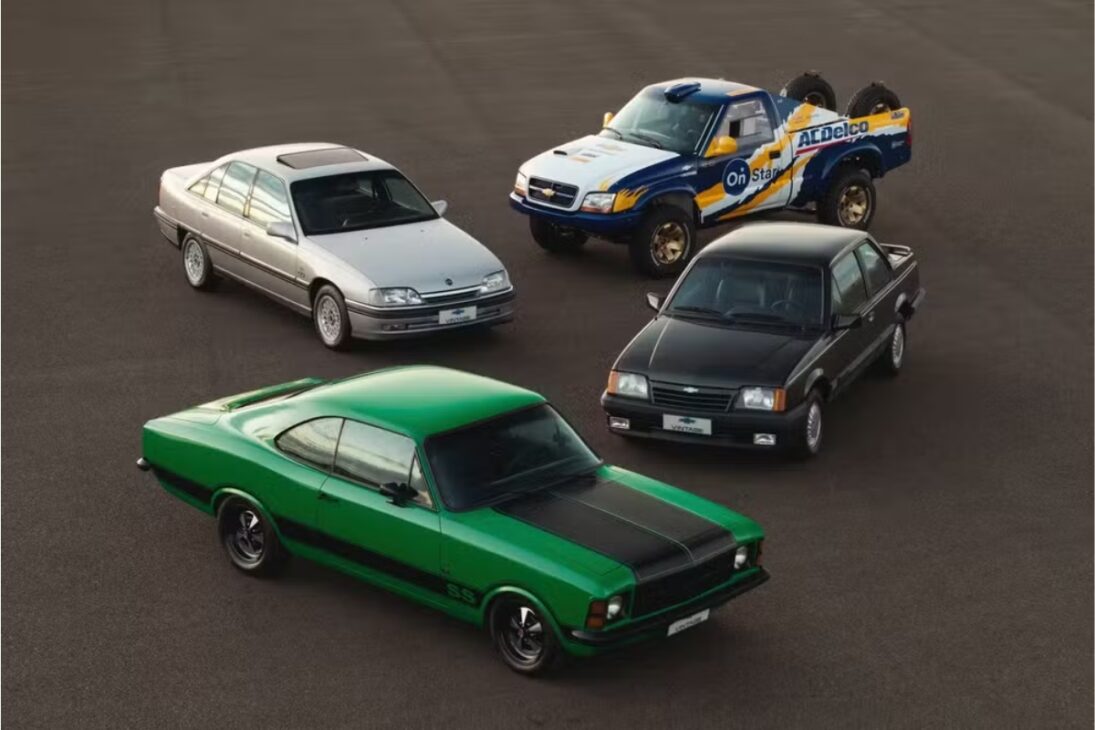
Among the ten cars already chosen, four models were presented as highlights by Chevrolet. The 1994 Omega CD Irmscher, for example, was described as being “in zero-kilometer condition.”
The vehicle had its body disassembled, repainted, received original velvet seats, and gained the Irmscher kit, which increased the engine from 3.0 to 3.6 liters.
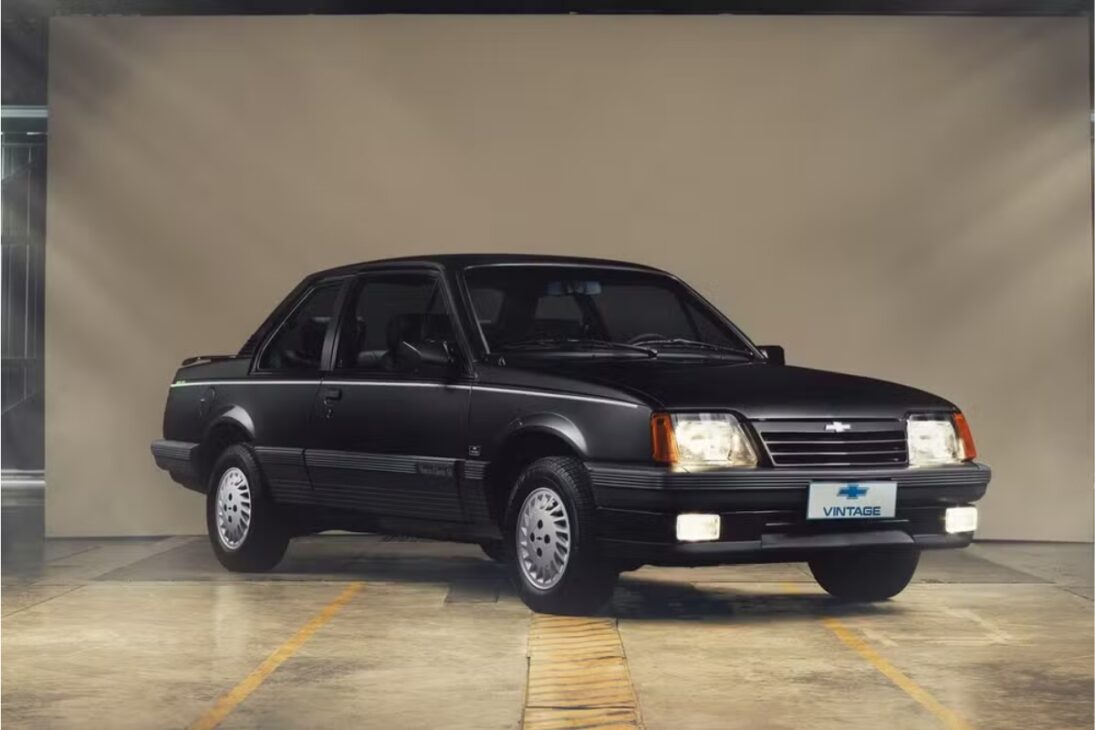
Another highlight is the 1990 Monza 500 EF, which underwent a meticulous restoration process. The model received genuine leather in the interior, original Alpine radio from the era, and an engine rebuilt with genuine GM parts.
Even the screws had the same zinc finish from the 1990s.
The 1979 Opala SS-V stands out for balancing tradition and modernity. Its 4.1 six-cylinder engine was updated with direct injection and coupled to a five-speed Tremec transmission.
The suspension received Bilstein shock absorbers, and the steering and disc brakes were modernized to ensure better performance and safety. The interior also gained modern air conditioning.
The 2004 S10 Rally, originally developed for the Rally dos Sertões, was restored with a focus on performance.
The 2.8 turbodiesel MWM engine underwent a complete overhaul and now delivers 50 kgfm of torque at 2,000 rpm. The pickup truck features an FIA-approved internal roll cage and competition bucket seats.
A Program That Mixes History and Technology
Chevrolet Vintage arrives in Brazil as an unprecedented initiative that not only rescues the automotive memory of the brand but also offers the public a chance to acquire genuine collector’s items.
The first batch, featuring models from the 1960s to the 2000s, is just the beginning of a project that promises to gain even more strength in the coming years.
By combining meticulous restoration with targeted technological updates, Chevrolet finds a way to please both purists and fans seeking modern convenience in a classic.
This initiative reinforces the cultural weight of the brand in the country and inaugurates a collector market with the official endorsement of GM itself.


