






 Portuguese
  Spanish


Five-seater model marks a new phase for Ferrari, divides opinions on social media, and exposes the challenges of luxury electric cars.
The Ferrari unveiled its first fully electric car, the Luce, on Monday, May 25. The model costs US$ 640,000, about R$ 3.2 million, and marks an important turning point in the history of the Italian automaker.
The launch drew attention because it breaks part of the brand’s tradition. The Luce is the first five-seater Ferrari and was created in collaboration with LoveFrom, an agency founded by Jony Ive, former chief design officer at Apple.
According to CEO Benedetto Vigna, the project took about five years to develop. The name Luce means “light” in Italian and reinforces Ferrari’s attempt to present a new electric identity.
-
Sales of Brazil’s Cheapest Electric Car Halted Before First Deliveries: E-Motors Suspends Emova Easy Due to Import Tax Increase and Rising Freight Costs

-
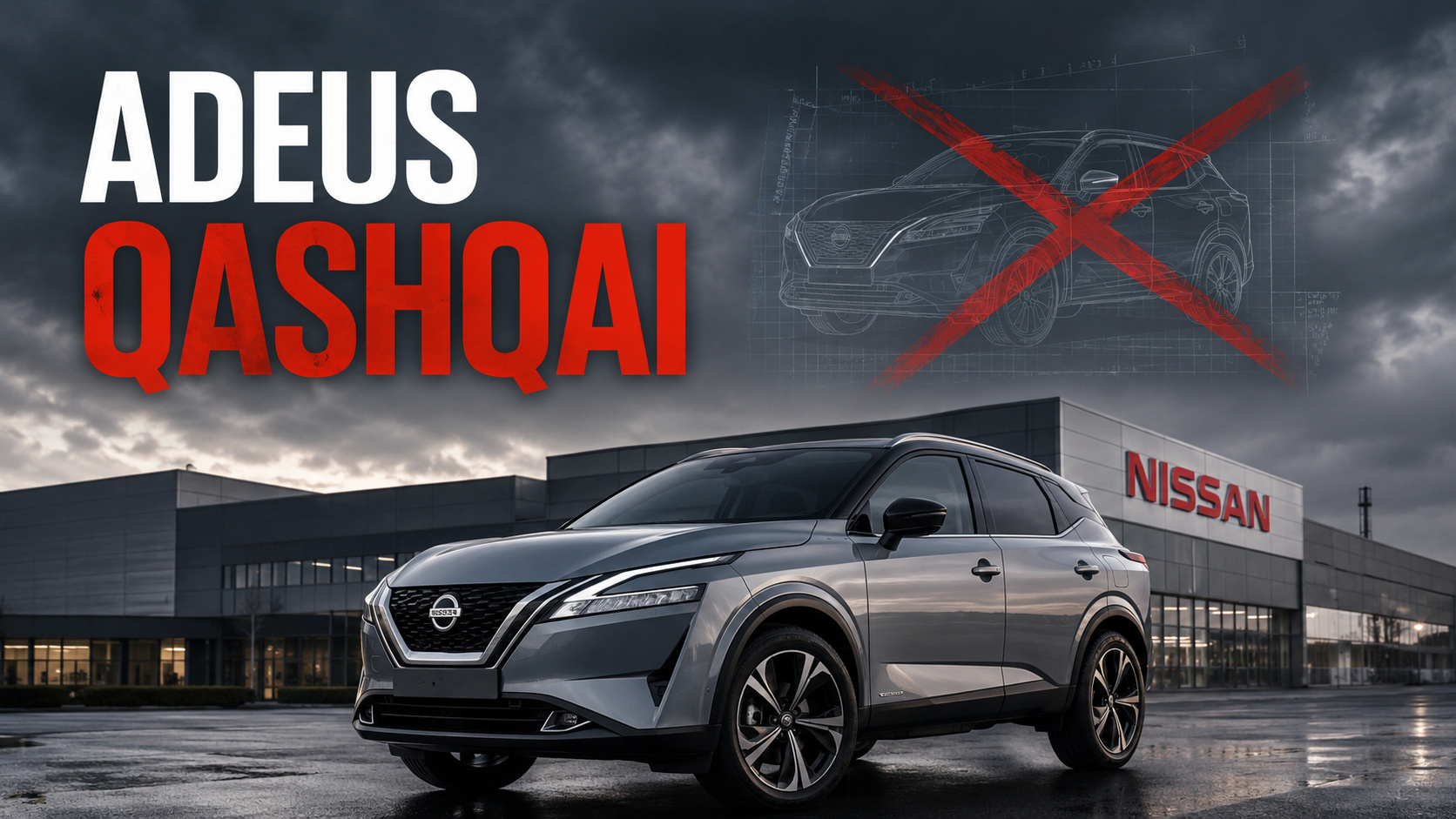
Nissan Discontinues Qashqai SUV Amid Cost-Cutting, Chinese Competition, and Product Line Review

-
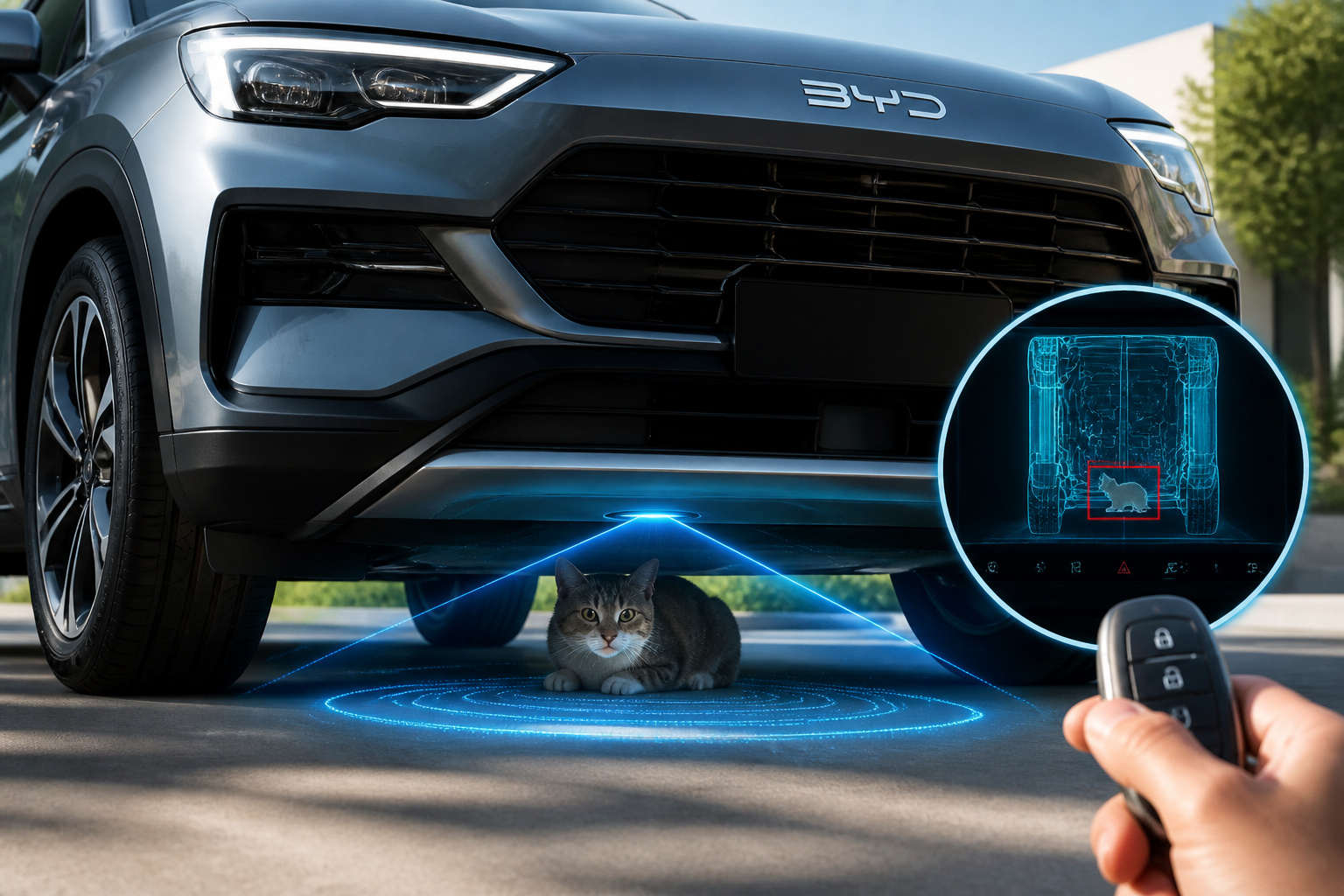
BYD Patents Revolutionary System Using Computer Vision to Detect Animals Under Cars Before Starting, Preventing Tragedies

-
Study Reveals Why Cars Are More Expensive to Produce and Buy in Brazil Compared to Mexico, Highlighting Taxes, Logistics, and Industrial Costs as Key Factors.


Electric project marks a change of course for Ferrari

Ferrari had initially dismissed the idea of launching a fully electric car. The automaker prioritized hybrid models, powered by gasoline and electricity.
The Luce, however, changed this path. The model uses an electric motor manufactured by Ferrari in each wheel and can reach 96 km/h in about 2.5 seconds, according to the company itself.
Ferrari also stated that all components are produced in-house. In this way, the brand seeks to facilitate future repairs and protect the vehicle’s resale value.
Social media turns launch into a debate

The launch sparked intense reactions on social media. One person wrote on X that Ferrari had “killed its brand,” comparing the case to Jaguar’s visual repositioning.
Another post questioned the direction of European luxury car manufacturers. The criticism first cited Jaguar and then Ferrari as examples of changes considered risky.
Part of the audience, however, reacted positively. A user described the Luce as “a true lesson in design” and called the concept a game-changer.
Competitors retreat in luxury electric cars
The debut of the Luce comes at a delicate time for high-end electric cars. Rival brands have scaled back their plans due to low demand and Chinese competition.
Lamborghini abandoned the idea of launching fully electric cars and began to prioritize hybrid models. Porsche also reduced its ambitions in the segment.
The German manufacturer faces weak demand, lower sales in China, and tariffs in the United States. Chinese manufacturers, on the other hand, produce vehicles more quickly and at lower costs.

Ferrari tries to balance tradition and future
Ferrari reported that it will continue selling gasoline and hybrid cars. Thus, the brand seeks to advance in electrification without abandoning its traditional customers.
Currently, Ferrari is the most valuable car manufacturer in Europe. Its strategy relies on highly exclusive models, which has helped the company better withstand industry pressure.
However, Ferrari’s shares have fallen by more than 25% in the last year. This decline followed a larger movement in luxury brands, pressured by global inflation and lower demand for high-end products.
The challenge of Luce for the brand image
The design director Flavio Manzoni stated that criticism is part of the innovation process. He acknowledged that an electric Ferrari with a new design is a polarizing proposition.
The brand believes that the public will be able to better appreciate the concept in the coming months. Therefore, the Luce is born as an expensive, bold, and symbolic bet.
The big question now is simple: will Ferrari be able to bring its tradition to electric cars without losing the essence that made the brand a global symbol?


