






 Portuguese
  Spanish
  5 min of reading
  0 comments


Strong depreciation placed the Chevrolet Bolt EV in a new price range among used cars in Brazil, bringing the imported electric closer to sedans, compact SUVs, and more expensive national cars, while range and performance remain central points for the buyer.
The Chevrolet Bolt EV Premier 2022 appears in the Fipe Table for May 2026 at R$ 135,990, a value that corresponds to a drop of about 58.7% compared to the R$ 329,000 charged at the launch of the restyled version in Brazil, in August 2022.
With the reduction recorded in less than four years, the electric hatchback has come to occupy a price range closer to used and semi-new cars from traditional segments in the national market.
When it arrived in the country, the Bolt EV was sold as an imported, technological product aimed at consumers willing to pay more for electrification.
-
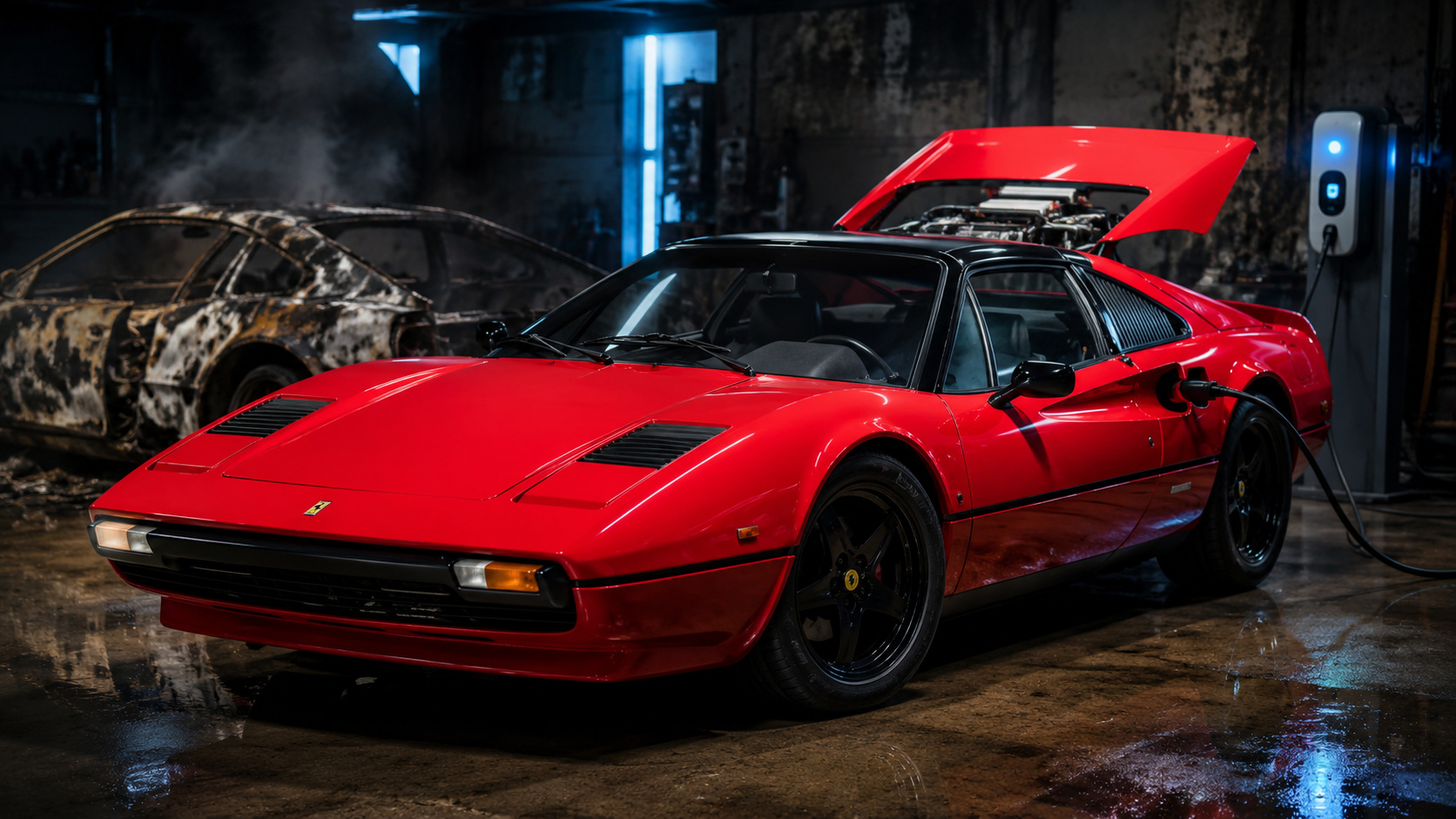
A burned Ferrari seemed destined for scrap, until a company removed the V8 engine, installed three electric motors, and transformed the old sports car into the 308 GTE with a 47 kWh battery.

-
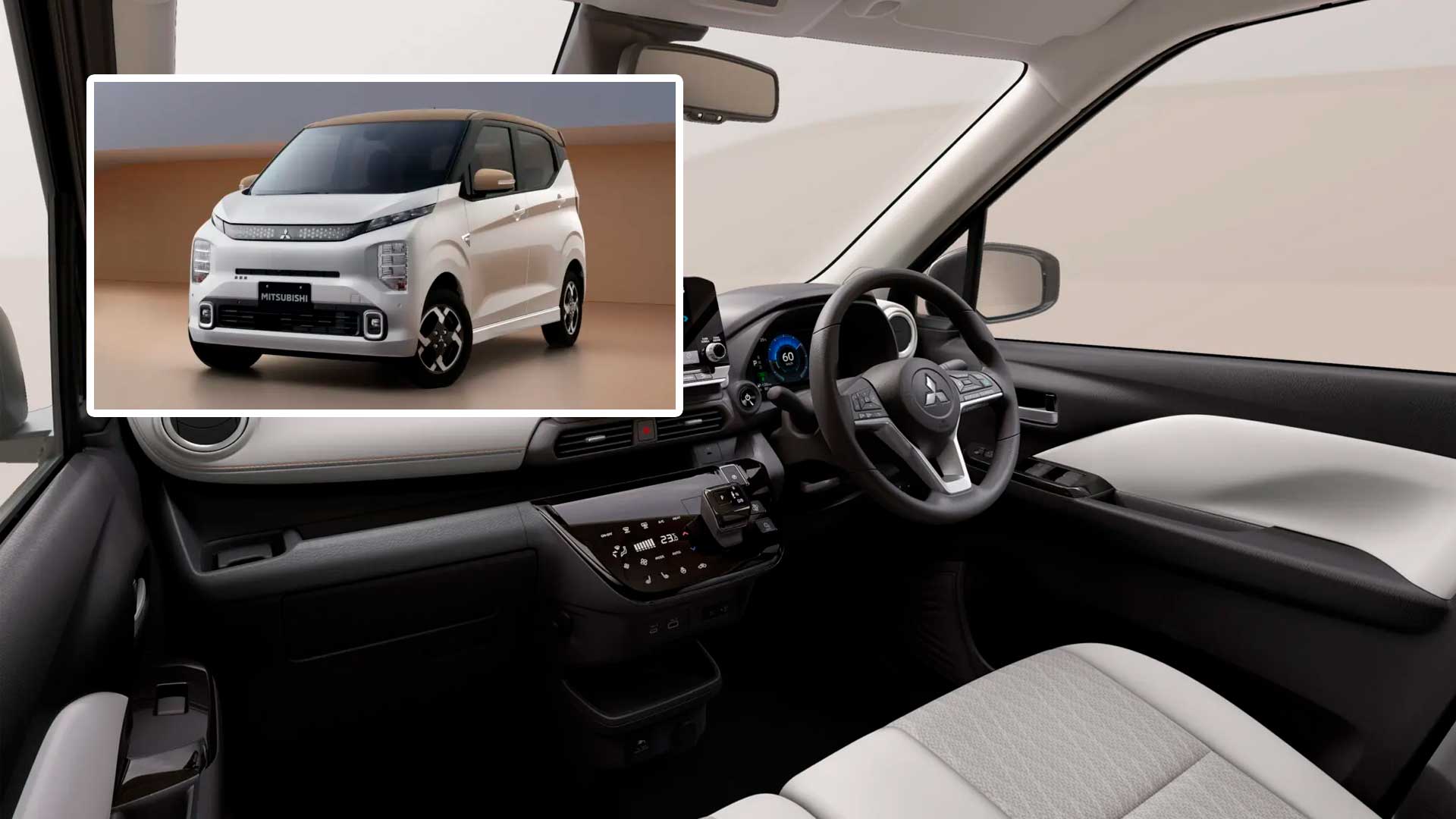
Smaller than a Kwid and priced at around R$ 60,000, the Mitsubishi eK Cross EV features a 1,500 W outlet, 180 km range, and becomes a sort of power bank on wheels in Japan.

-
Move Brasil promises car financing without a down payment for app drivers and taxi drivers.

-
BYD offers 950 km of range in a seven-seater electric SUV, charges the price of a mid-sized SUV in Brazil, and increases pressure on premium rivals in China.


With the new price level, the model began to be compared by buyers who also evaluate used medium sedans, semi-new compact SUVs, and more expensive versions of entry-level national cars.
According to a Webmotors consultation with the Fipe Table, the Chevrolet Bolt 2022 EV 66 kW Premier electric, code 004520-9, had a Fipe price of R$ 135,990 in May 2026.
On the same basis, the average Webmotors price appeared at R$ 132,434.44, below the official reference and far from the value practiced at the launch of the restyled version in Brazil.
Used Chevrolet Bolt EV changes level in the Brazilian market
The depreciation of the Bolt EV occurs in a different scenario from that recorded in Brazil in 2022, a period when the supply of electric cars was more restricted and prices were concentrated in high ranges.

In the following years, Chinese brands expanded their presence in the country, new models arrived in stores, and the comparison between range, equipment, and price began to carry more weight in the purchase decision.
This movement also changed the market perception of electric cars launched before the current phase of greater competition.
Latest battery architectures, updated electronic centers, more efficient recharges, and driving assistance packages have started to influence the evaluation of used cars, especially in a segment of rapid technological evolution.
Even though the valuation has dropped, the Bolt EV does not fit among the entry-level urban electrics available in the Brazilian market.
The hatch features a front electric motor with 203 hp, torque of 36.7 kgfm, and a single-speed automatic transmission, a superior set to many electrified compacts sold in the country at similar or higher price ranges.
Bolt EV’s Range Remains a Differentiator Among Used Electrics
The 66 kWh battery remains among the main technical data used to compare the Bolt EV with other used electrics.
Chevrolet announced a range of up to 459 km in the WLTP cycle, as well as 416 km in the EPA standard, figures that placed the model among the electrics with the greatest range offered in Brazil at the time of launch.
The performance reported by the manufacturer also helps explain the car’s presence in searches by consumers interested in electrification.
According to the data released at the time, the hatch accelerates from 0 to 100 km/h in 7.3 seconds, a result associated with the immediate torque typical of electric vehicles.
In practice, the combination of power, instant torque, and declared range expands the possibilities of use compared to smaller electrics, usually more focused on urban commutes.

For consumers with access to charging at home or work, the Bolt EV can meet daily routes with greater predictability and reduce dependence on public chargers.
Price of R$ 135 Thousand Brings Electric Closer to Used Flex Cars
The R$ 135 thousand range puts the Bolt EV in direct comparison with more recent flex models, which usually have more widespread maintenance and a widely available refueling network.
In contrast, the Chevrolet offers silent driving, instant torque, and fewer mechanical components subject to common wear in combustion engines.
In this comparison, the purchase decision is not limited to the technical specifications or the acquisition price.
The usage profile is significant because it involves daily routine, distance traveled, access to charging points, and the presence of specialized technical assistance in the region where the vehicle will be used.
In large urban centers, where there is a higher concentration of units sold and a broader range of services for electrified vehicles, the acquisition tends to involve fewer operational restrictions.
However, in smaller cities or regions with limited infrastructure, the availability of parts, skilled workshops, and public chargers can directly influence the cost and convenience of use.
Battery, charging, and maintenance require attention when purchasing
The evaluation of a used electric vehicle requires specific criteria beyond those applied to combustion engine models.
Besides mileage, external conservation, maintenance history, and documentation, the interested party should check the battery condition, remaining warranty, portable charger functionality, and maintenance regularity.
When available, the charging history should also be part of the vehicle’s analysis.

Frequent use of fast chargers does not prevent purchase but can be relevant data in battery evaluation, especially in units subjected to intensive use or with multiple owners.
The imported origin of the Bolt EV should also be considered before purchase.
Although Chevrolet has a broad presence in Brazil, the availability of specific components for an imported electric vehicle may differ from that found in higher-volume domestic models.
Used electric vehicles create a new price range in Brazil
The drop in the Bolt EV indicates the formation of a new price range for electrified vehicles in the Brazilian used market.
Models that arrived in the country as technological showcases began to compete with conventional options, while more recent launches assumed the position of reference in cost-benefit, equipment, and range.
In this context, the Bolt EV is no longer evaluated solely as an expensive imported electric vehicle and has started to appear among the alternatives for those seeking greater autonomy and lower entry cost in electric mobility.
However, the depreciation does not eliminate the need to check the battery, recharge, technical assistance, and maintenance history before purchase.
The difference between the launch price and the current quotation shows the speed of changes in the electric segment in Brazil.
The hatch that debuted above R$ 300,000 now appears in a range where the acquisition value has central weight in comparison with used flex cars, especially for consumers evaluating electrification, autonomy, and cost of use.





Be the first to react!