Portuguese
  Spanish


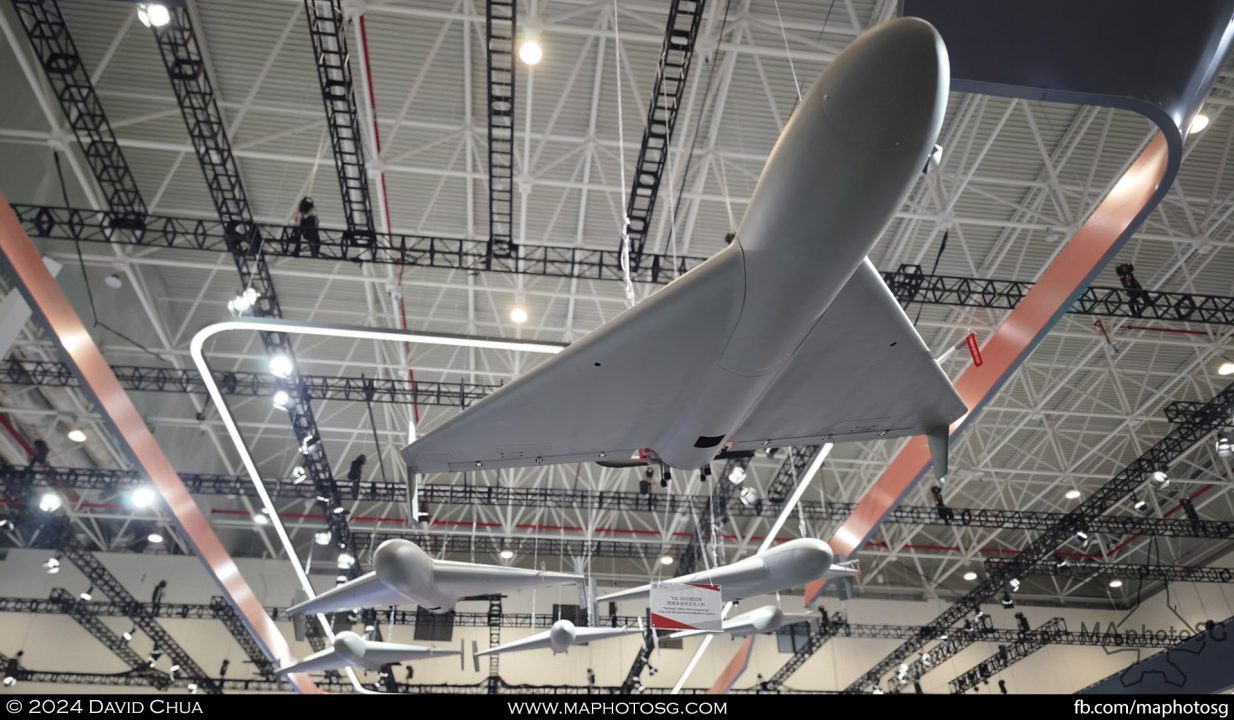


Norinco Designed The Feilong-300D As A Low-Cost Modular Reconnaissance And Strike Platform; With A Delta-Wing Design And Piston Engine, It Promises Real-Time Surveillance, Integration With Fighters, And Deterrence In Border Areas.
The Ordnance Industry Science Technology Report Places The Chinese Drone Feilong-300D At The Center Of A Debate About How Low-Cost Unmanned Weapons Can Alter The Dynamics Of Regional Conflicts.
Publicly Presented For The First Time At The Zhuhai Air Show Last Year, The System Combines Reconnaissance And Strike Functions, And Its Supposed Unit Price—As Low As US$ 10,000—Suggests That Beijing Seeks To Enable The Mass Production And Use Of Affordable Precision Munitions.
Operators Who Adopt The Feilong-300D Gain A Deterrence And Control Tool In Border Areas, The Material Notes.
-
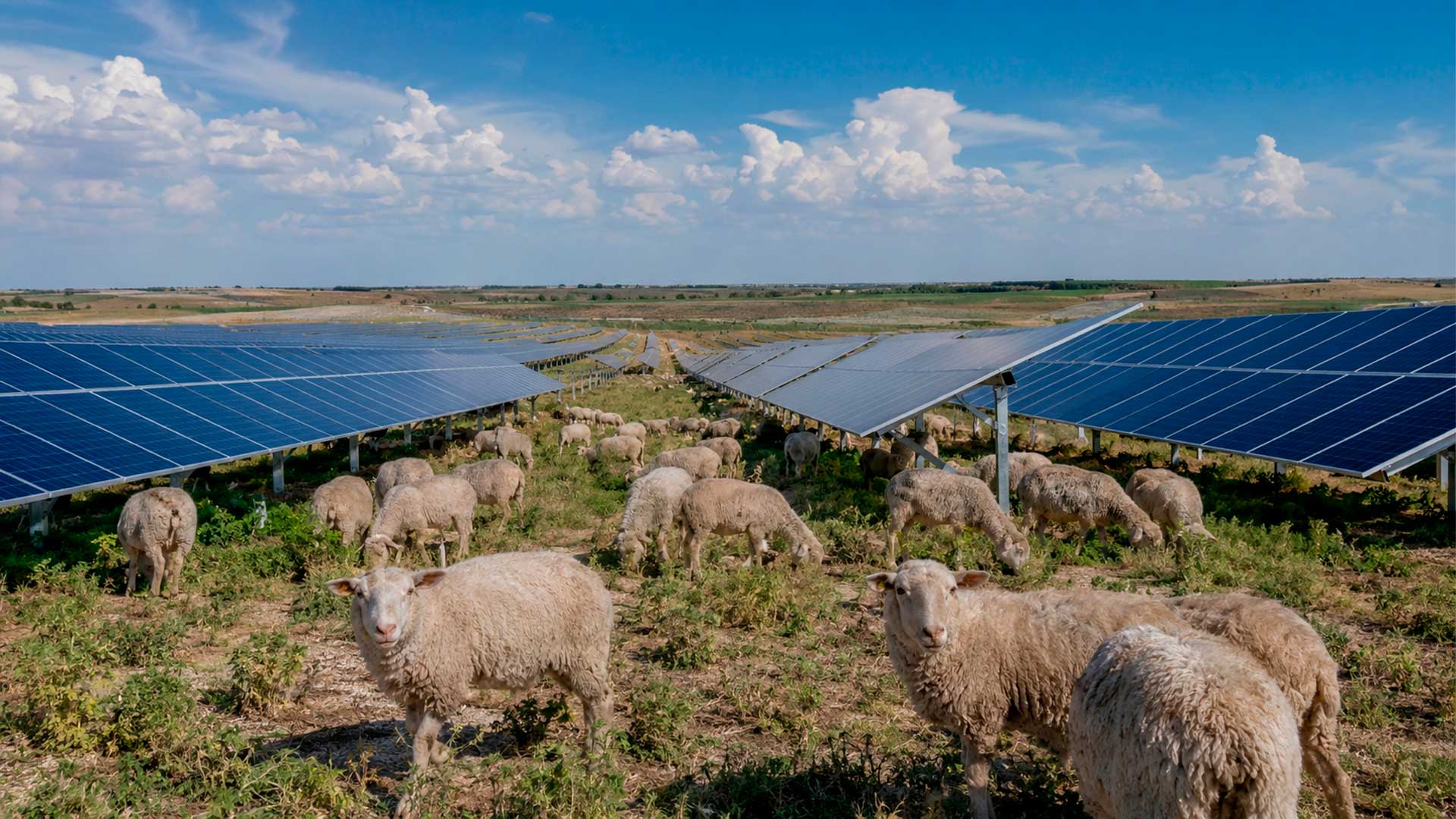
3,000 Sheep Maintain 900 MW Solar Farm Transforming Texas Fields into Energy for Data Centers

-
Distant Galaxy Shaped Like a Giant Jellyfish Sheds Gas, Forming New Stars as It Moves Through Hot Cosmic Gas

-
Nearly 40% of Treated Water in Brazil is Lost Before Reaching Homes; Companies Use Satellites, AI, Helium, and Innovative Tech to Improve Access in Remote Areas
-
Steel Sphere Cylinder Achieves 14% Damping in Tests, Functions Without Sensors or Electricity, and Can Reduce Vibrations in Skyscrapers, Bridges, and Sensitive Equipment with US Patent Registered



Design And Operational Capability
The Report Describes The Feilong-300D As A Delta-Wing Vehicle Powered By A Piston Engine That Uses Standard Fuel.
This Design, According To The Publication, Allows For Longer Flights With The Same Power, While The Architecture Seeks Simplicity, Reliability, And Reduced Costs.
Norinco, The State-Owned Defense Company Responsible For The Design, Is Said To Have Conceived The System To Target Armored Vehicles In Addition To Conducting Surveillance And Reconnaissance.
The Model Also Accepts Modular Warheads, Which, In Theory, Facilitates Adaptation To Different Combat Scenarios.
In Simulated Exercises Mentioned In The Report, The Feilong-300D Traveled 621 Miles (Approximately 1,000 Km), Evaded Enemy Air Defenses, And Struck A Simulated Military Base.
The Exercise Also Demonstrated The Possibility Of Integration Between The Drone And Other Weapons, Including Fighters And Ground Missiles, Reinforcing Its Utility In Combined Operations.
Impact On Small States And Borders
The Document Emphasizes That The Feilong-300D May Particularly Interest Smaller Countries Seeking To Expand Their Unmanned Combat Fleets Without Incurring High Costs.
With A Potentially Very Low Price, The Drone Emerges As An Option For Nations Looking To Build Rapid Response Capacity And Real-Time Monitoring In Disputed Areas.
In These Contexts, The Report States That The Device Can Function As A Deterrent And Contribute To The Control Of Contested Zones By Providing Continuous Surveillance And Immediate Response.
Among Potential Buyers, The Study Identifies Pakistan As A Plausible Candidate.
The Report Reminds That Earlier This Year, Chinese Equipment—Fighters And Missiles—Played An Important Role In The Clashes Between India And Pakistan, Highlighting Beijing’s Relationship As An Arms Supplier To Islamabad.
Broader Trends And Regional Reaction
The Feilong-300D Appears At A Time When Long-Range Attack Munitions—Often Called Suicide Drones Or Explosives—Are Transforming The Nature Of Contemporary Conflicts.
The Report Cites The Intensive Use Of These Weapons In Recent Wars, Illustrating How Cheap And Disposable Systems Have Already Changed Military Tactics And Priorities.
At The Same Time, Beijing Has Accelerated The Development Of Drone-Based Platforms To Modernize The People’s Liberation Army And Strengthen Capabilities Aimed At High-Tech Warfare; Various Chinese Unmanned Aircraft Were Publicly Displayed During Last Month’s Victory Day Military Parade In Beijing.
On The Other Side Of The Taiwan Strait, Taipei Is Developing Its Own Suicide Drone Program, The Report States, In An Attempt To Enhance Asymmetric Warfare And Counter Chinese Military Pressure.
Thus, The Feilong-300D Is Not Just A New Product In The Arms Market: It Integrates Into A Broader Framework Of Technological Competition And Tactical Adaptation Among Large And Small Regional Actors.