






 Portuguese
  Spanish


China Approves Genetically Modified Soybeans and Corn for the First Time. Historical Decision May Redefine Global Grain Trade and Challenge Brazil and U.S.
The decision by the Chinese government to allow, for the first time in its history, the commercial cultivation of genetically modified soybeans and corn marks a turning point in global agriculture. Announced at the end of December 2023, the measure approved 37 varieties of GM corn and 14 of GM soybeans, paving the way for the world’s largest grain consumer to also become a large-scale producer of genetically modified crops. Until now, the commercial use of genetically modified organisms (GMOs) was limited to crops like cotton and papaya, but now Beijing makes it clear that its agricultural strategy has gained a new dimension.
The move, which may seem technical at first glance, has profound implications for food security, global geopolitics, and international trade in agricultural commodities. While reinforcing Chinese self-sufficiency, it threatens to reshape the position of export giants such as Brazil, the United States, and Argentina.
China’s Strategic Turn with Genetically Modified Grains
For years, Beijing maintained a cautious and even opaque stance regarding the use of GMOs, motivated both by concerns over food safety and by resistance from part of the population to the consumption of these foods.
-
Regenerative Farmers Use Keyline Plow to Improve Pasture Hydration, Storing 1 Gallon of Water Every 30 Centimeters

-
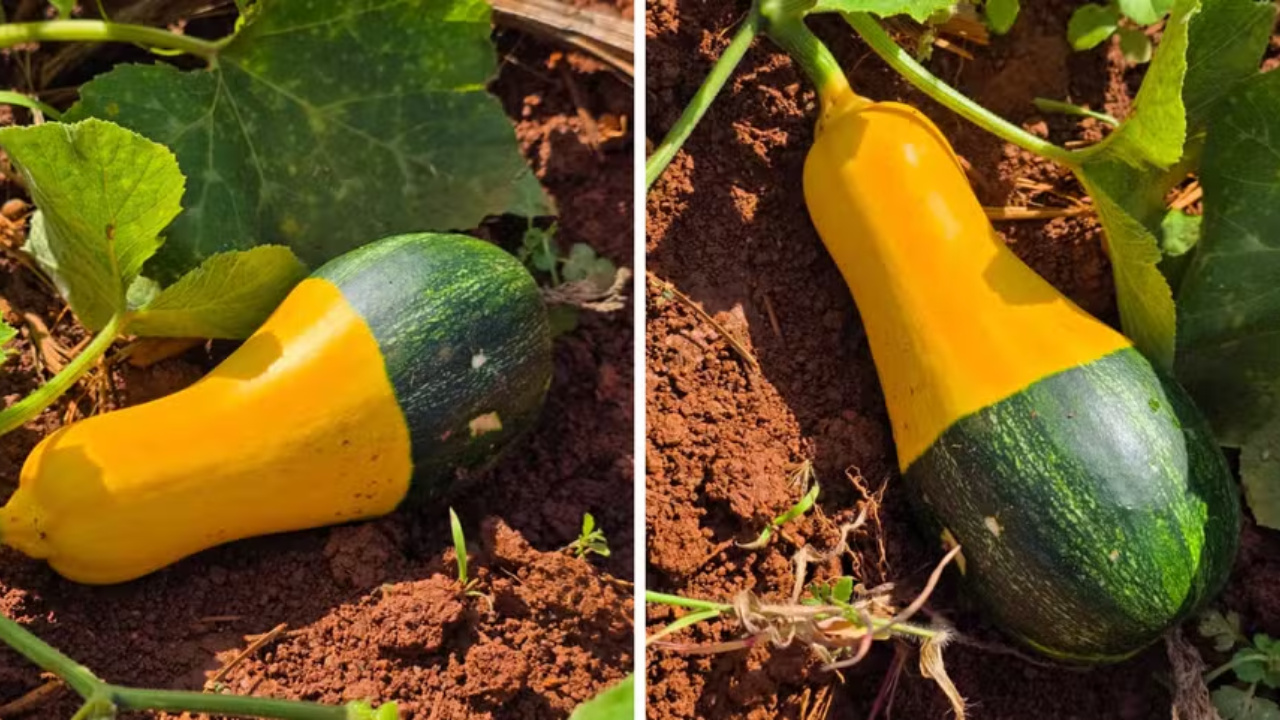
Bicolor Pumpkin Resembling Hand-Painted Art Discovered by Brazilian Researchers in the Capital Due to “Spontaneous Mutation”

-
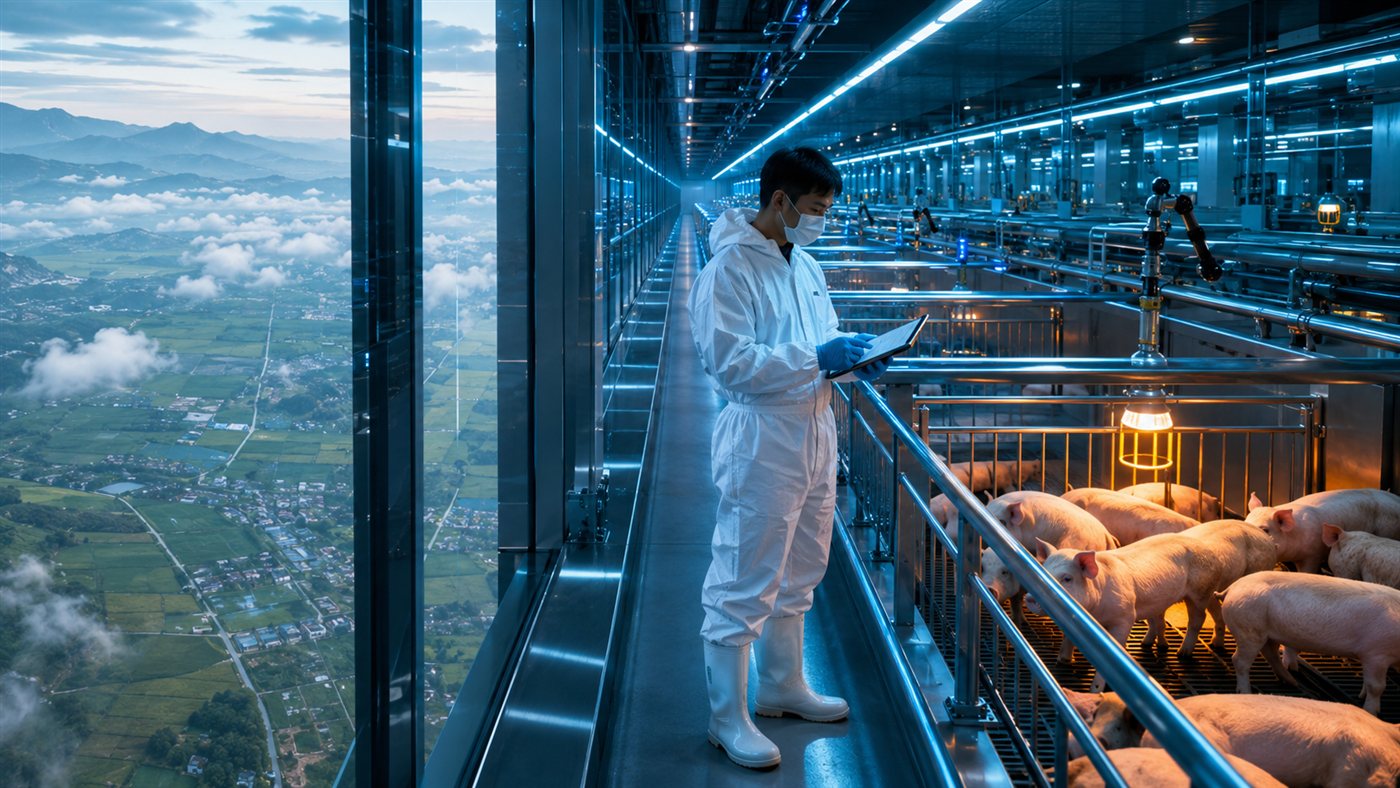
In China, a 26-story building produces 1.2 million pigs annually, revolutionizing livestock farming with tube feeding and AI surveillance.
-
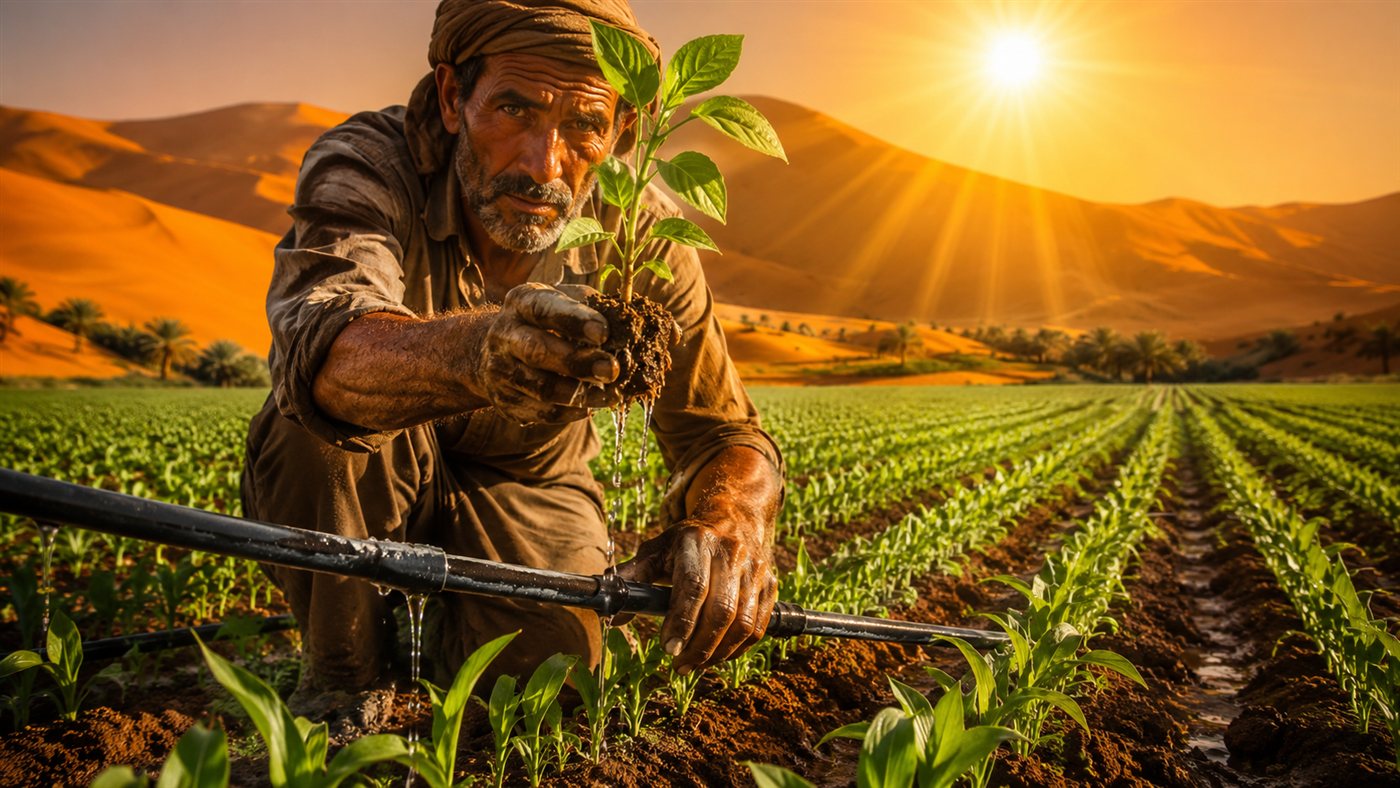
With Nearly 60% Desert, Israel Desalinates Seawater and Recycles 90% of Wastewater to Build a Billion-Dollar Agricultural Powerhouse in Dates and Cotton

Despite this, the contradiction was clear: the country was already massively importing genetically modified soybeans and corn from other countries to meet the needs of the feed industry and the food sector.


In 2023, this caution showed signs of change. The Ministry of Agriculture and Rural Affairs of China streamlined approval processes, relaxed field testing, and authorized experimental programs that covered up to 267,000 hectares of GM soybeans and corn.
With the official approval, Beijing confirms the transition from the experimental phase to commercial production, indicating that the country no longer intends to rely on external supply to sustain its internal consumption.
The Pillars of the Decision: Food Security and Productivity
Two pillars explain the Chinese shift.
Food and National Security: China is the world’s largest importer of soybeans, primarily used in animal feed production. This dependency, in a scenario of trade tensions and international volatility, has become a strategic risk. By authorizing local cultivation of GM soybeans and corn, Beijing aims to reduce vulnerabilities and protect itself from supply crises and price fluctuations.
Agricultural Productivity: Pest- and herbicide-resistant varieties allow for increased production efficiency, reducing costs for pesticides and enhancing the competitiveness of local farmers. This is crucial in a territory pressured by a scarcity of arable land, soil degradation, and the impacts of climate change.
Additionally, the investment in biotechnology reinforces the modernization of agriculture, with the government investing not only in GMOs but also in genomic editing, considered more precise and yielding quick gains.
Impacts on International Grain Trade
China’s entry into the cultivation of genetically modified soybeans and corn has the potential to significantly alter the global flow of agricultural trade.
Currently, Brazil, the U.S., and Argentina dominate the export of GM soybeans, supplying a significant portion of Chinese demand. If Beijing manages to increase its internal production, the reliance on these suppliers will be reduced.
This may mean:
- Change in External Demand: Traditional exporters may face declining sales or pressure to reposition themselves.
- Effect on Prices: Chinese self-sufficiency tends to impact international prices, with direct ramifications for Brazilian agribusiness.
- Geopolitical Competition: By reducing imports, China gains leverage over the U.S., which has always used agricultural trade as a tool for diplomatic pressure.
At the same time, China’s progress may also create new markets: exporters may start selling technologies, seeds, and specialized inputs, while Beijing works to align its standards with international benchmarks and avoid trade barriers.
Internal Resistance and Public Acceptance
Despite the strategic weight of the decision, there is a significant domestic obstacle: the resistance of the Chinese population to consuming genetically modified foods.
Research indicates that a significant portion of society still distrusts GMOs, forcing the government to invest in scientific literacy campaigns and transparency policies to convince consumers.
This is a factor that may slow the expansion of GMOs on consumers’ tables, initially keeping the focus on using GM soybeans and corn for animal feed and processing industries.
Current Situation and Next Steps
The Chinese scenario regarding GMOs can now be summarized as follows:
- Established Crops: Genetically modified cotton and papaya are widely cultivated.
- New Frontiers Opened: GM corn and soybeans have received official authorization, signaling accelerated expansion.
- Imports Maintained: Beijing continues to authorize the entry of GM grains from various countries but is already preparing gradual substitution.
- Technological Advancement: Genomic editing and biotechnology programs are expanding, reinforcing the autonomy strategy.
A New Chapter in Global Agriculture
The fact that China is allowing genetically modified soybeans and corn for commercial scale is not just an agricultural issue, but a geopolitical one. The world’s largest importer is now moving towards becoming one of the largest producers, changing the market logic and pressuring traditional exporters to redefine their strategies.
For Brazil, this decision is particularly sensitive. Today, the country is the main supplier of soybeans to China, and a significant drop in this demand could directly impact the trade balance and Brazilian agribusiness. At the same time, it opens up space for more complex negotiations, which may include technology, scientific cooperation, and even regulatory disputes.
In the coming years, the balance between technological innovation, public acceptance, and commercial competitiveness will be crucial to measure the real impact of this Chinese shift. But one thing is already clear: the step taken by Beijing has the potential to redefine not only local agriculture but also the global agricultural order.


