Portuguese
  Spanish


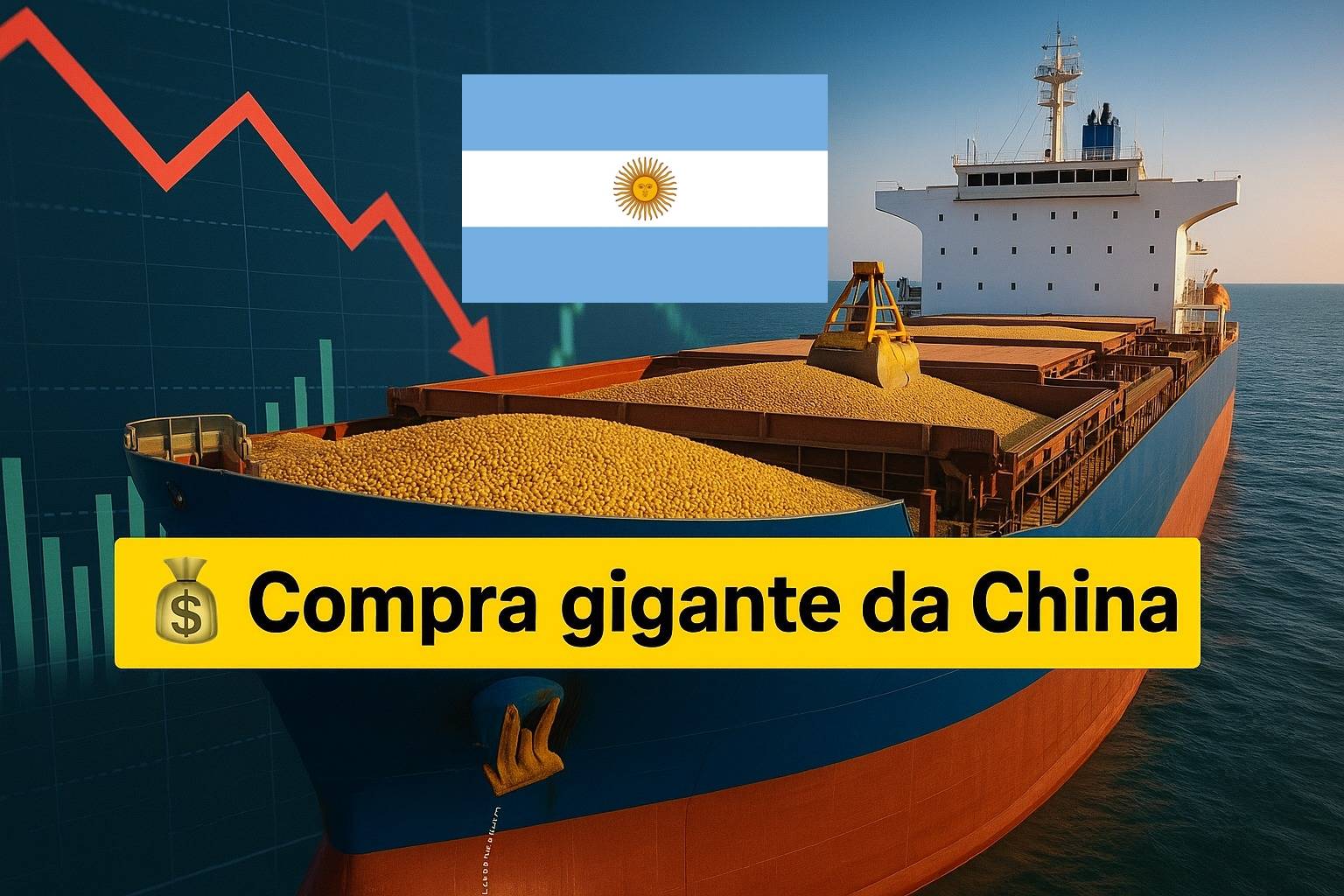


Temporary Suspension of Taxes in Argentina Boosts Soybean Sales to China and Expands Billion-Dollar Losses for Already Weakened US Producers.
Chinese buyers have booked at least ten shipments of soybeans from Argentina after Buenos Aires suspended the grain export tax on Monday. The information was confirmed by three traders to Reuters on Tuesday.
The measure has paved the way for Argentine grains to reach the global market at lower prices, representing yet another setback for US farmers, already harmed by the trade war and low prices.
According to traders, the temporary suspension of the tax has increased the competitiveness of Argentine soybeans. This has led Chinese importers to secure shipments intended for the fourth quarter, a period typically dominated by US exports.
-
In Rural Brazil, José Sirval Operates a Water-Powered Mill Grinding 125 Kilograms of Corn Daily Using His Great-Grandfather’s Century-Old Monjolo

-
From Market Stall to Agribusiness: Patagonian Fruit Grower Owns 550 Hectares and Processes 18 Million Kilos of Pears and Apples Annually, Exporting Directly to Brazil
-
At 93, Brazilian Farmer Restores 56 Hectares of Forest and Revives Spring in the Amazon, Installs First Climate Tower in the Region
-
Brazilian Cheesemaker Wins European Award for Ant-Infused Cheese with Nutty Flavor Inspired by Indigenous Tradition


Panamax Shipments for November
The shipments will be sent in Panamax vessels, each with a capacity of 65,000 metric tons.
They are scheduled for November and have been quoted in the CNF (Cost and Freight) system with a premium of US$ 2.15 to US$ 2.30 per bushel relative to the November contract on the Chicago Board of Trade (CBOT), two sources with direct access to the negotiations said.
The new deals were closed last night, following Argentina’s decision on the export tax. With the Chinese sending a message that the country does not need grains from the US.
China, the world’s largest buyer of soybeans, has not yet purchased any American shipments from the fall crop, according to the traders.
Pressure on the US
The negotiations underscore the impact of the trade dispute between Washington and Beijing.
US farmers have already lost billions of dollars in soybean sales halfway through the season, while South American countries, led by Brazil, fill the gap left open.
Last Friday, Chinese President Xi Jinping and US President Donald Trump spoke over the phone.
However, no updates regarding agriculture were shared, which increased pressure on soybean futures in Chicago, already nearing five-year lows.
Earlier this month, Reuters reported that China had nearly completed its soybean purchases for shipment in October.
For November, the Chinese had already secured 15% of their needs, all from South America. In previous years, during the same period, they would have purchased between 12 and 13 million tons from the United States.
Temporary Suspension of Taxes
The Argentine government announced that the suspension of the grain tax will be valid until October or until declared exports reach US$ 7 billion. The announcement immediately affected the market.
On Tuesday, soybean meal futures contracts on the Dalian Exchange in China fell 3.5%, the same decline recorded in soybean oil.
It was noted, however, that the impact is expected to be short-lived. The policy will be in effect for just over a month, and Argentina’s supply capacity is limited.
Currently, Argentine soybeans are subject to a 26% export tax.
Rising Chinese Stocks
China’s soybean imports reached record levels between May and August. The movement raised the country’s stocks, which seeks to protect itself against potential supply disruptions in the fourth quarter.
This set of movements shows how the temporary suspension of the Argentine tax has affected the global soybean market.
For China, it is an opportunity to bolster stocks with more attractive prices. For the US, it is yet another sign of losing ground in its main market.