






 Portuguese
  Spanish
  3 min of reading
  0 comments


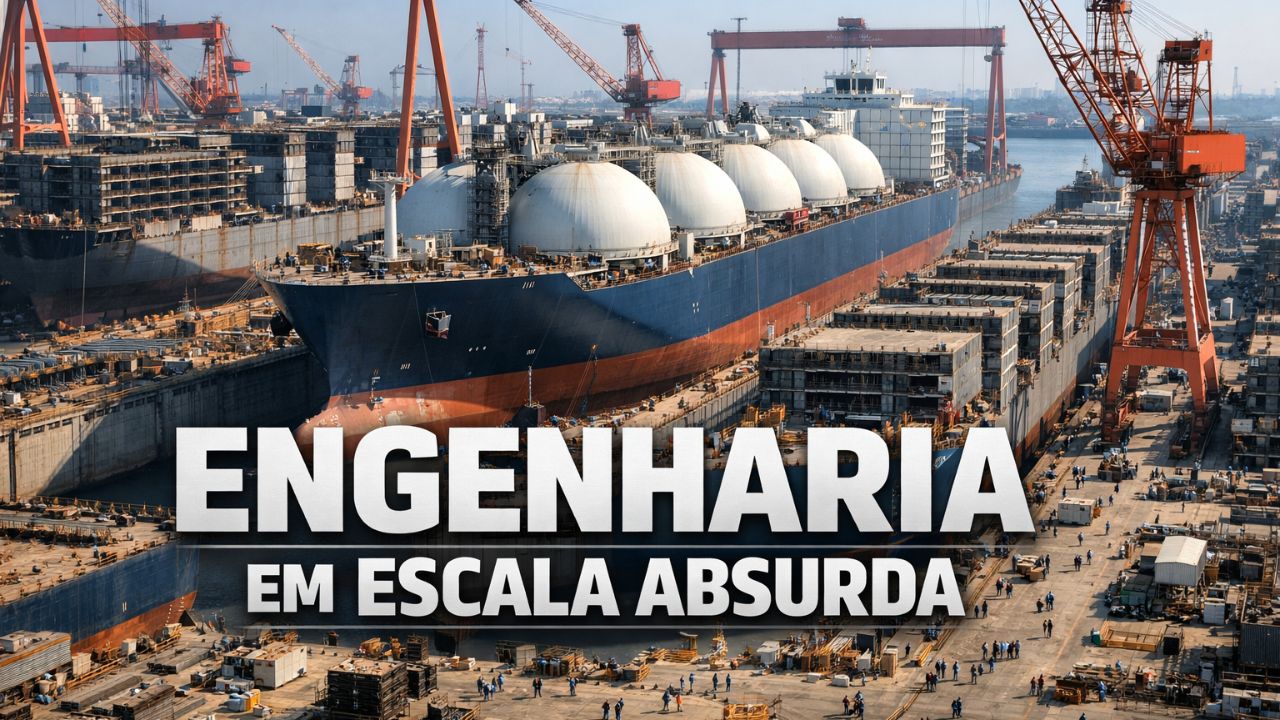
Megacontainers Powered By Natural Gas Leave A Colossal Shipyard In Changxing, Near Shanghai, With Simultaneous Construction And LNG Technology To Change The Standard Of Maritime Transport
A few kilometers from Shanghai, China has become the stage for an out-of-the-ordinary industrial project: megacontainers powered by natural gas being built in series, simultaneously, as if they were pieces of a giant puzzle.
The plan is to deliver nine of the largest ships in the world, measuring 400 meters long and capable of carrying 23 thousand containers each. The proposal combines scale, construction speed, and a new energy standard onboard, using liquefied natural gas.
A Shipyard That Functions As A City And A Factory At The Same Time
The shipyard is located on Changxing Island, in the outskirts of Shanghai, and is structured to support parallel construction.
-
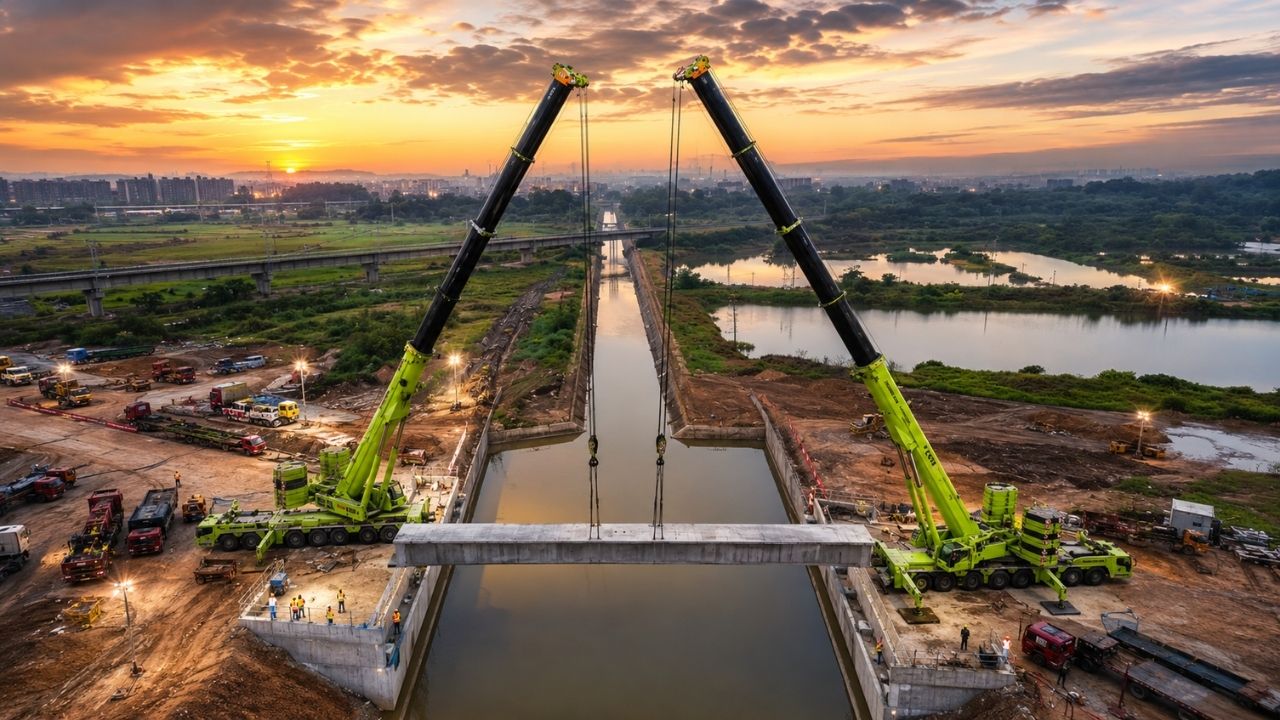
China builds a bridge over a river in just 24 hours using two 650-ton Zoomlion cranes, 9 beams of 125 tons, and a convoy of over 100 km with trailers, counterweights, and heavy trucks in synchronized operation during the early hours.

-
Man builds house with concrete made from recycled paper and attracts attention in Portugal; named Porta do Caracol, the home features solar panels, a vertical garden, and a pool with natural filters.
-
Goodbye to conventional plaster? New material used on walls reduces waste and steps in construction and draws the attention of engineers by offering faster application and greater construction efficiency – discover the advantages of smooth gypsum.

-
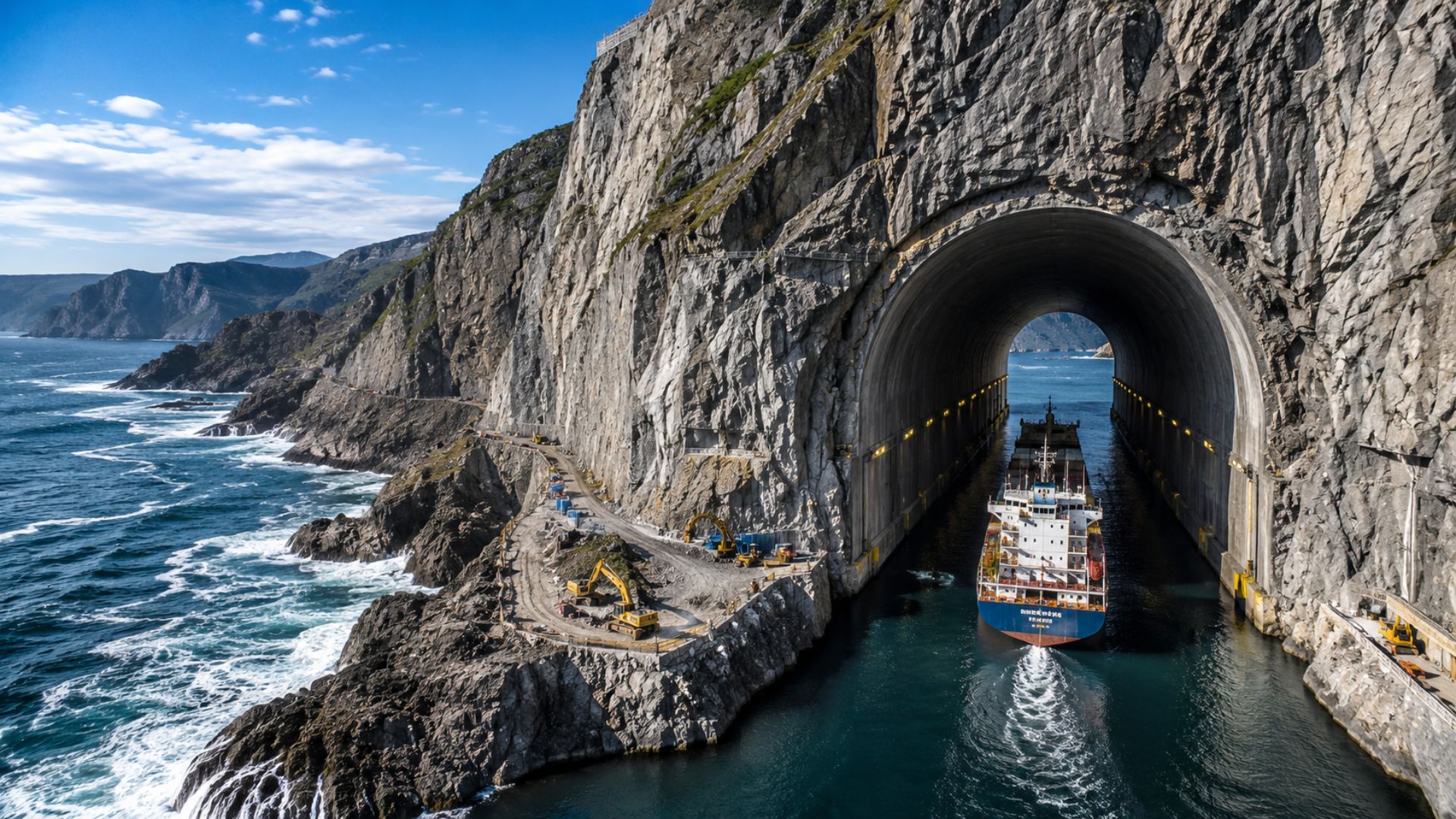
Norway will excavate 3 million cubic meters of rock to open a 1,700-meter maritime tunnel, where ships will pass through a mountain in 10 minutes, escaping a stretch that has killed more than 30 people since 1900.



The facilities span nearly 4 km and feature three dry docks, allowing different stages to advance in sequence without halting production.
More than 6,000 professionals, including technicians and engineers, work to maintain the schedule of a rare challenge: building nine megacontainers powered by natural gas in less than two years, when the norm is something like 18 months for just one ship of this size.
Nine Giant Ships And A Scale That Redefines What A Container Ship Is

The numbers help to understand why this project draws attention:
Each of the megacontainers powered by natural gas is designed to carry up to 23 thousand containers. Aligned, these containers would form a line of about 150 km.
In dimensions, the standard also changes: approximately 400 meters long, 61 meters wide, and nearly 78 meters high. Even without cargo, a ship of this size can weigh around 70 thousand tons.
The Natural Gas Engine And The Tank That Becomes The Heart Of The Ship
The turning point of the project lies in energy: the ships operate with liquefied natural gas, kept at an extremely low temperature of around -161°C, stored in a dedicated tank.
This tank is regarded as the vital reservoir of the ship, featuring multiple layers of insulation, including thick panels to protect the structure and maintain the fuel temperature.
The installation of the tank is a critical, lengthy, and meticulous phase, requiring sealing and constant inspections to avoid any failure.
Block Construction: The “Lego” That Accelerates The Schedule
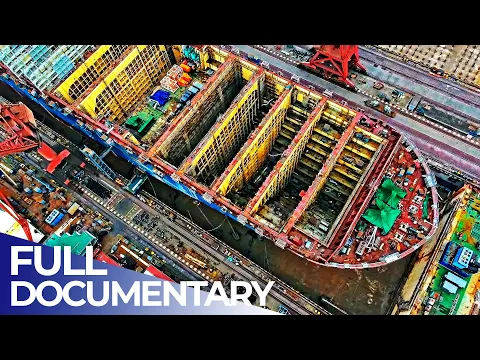
To save time, assembly is done in blocks, each with a defined function, manufactured, and then brought to the dry dock, where everything is welded and integrated.
It is a highly efficient method, but it relies on total coordination, because any delay in one block holds up the rest of the line.
The logic is clear: when the goal is to deliver nine giants, organization needs to be as large as the ships themselves.
Why This Affects Global Maritime Transport

The impact is not limited to China. A container ship of this size alters routes, throughput capacity, and logistical planning in ports around the world.
And there’s the energy factor: megacontainers powered by natural gas signal an operational transition, seeking a fuel considered cleaner than traditional oil, with the potential to reduce emissions and press the market to update efficiency standards.
In the end, the message is simple: when a shipyard can put nine giant ships into construction at the same time, with new propulsion technology, the entire sector is compelled to recalibrate what it considers possible.
Do You Think Megacontainers Powered By Natural Gas Will Become The Standard In The Coming Years, Or Is It Still Too Large A Project To Be Repeated At Scale?








-

1 person reacted to this.