





 Portuguese
  English
  Spanish
  4 min of reading
  0 comments


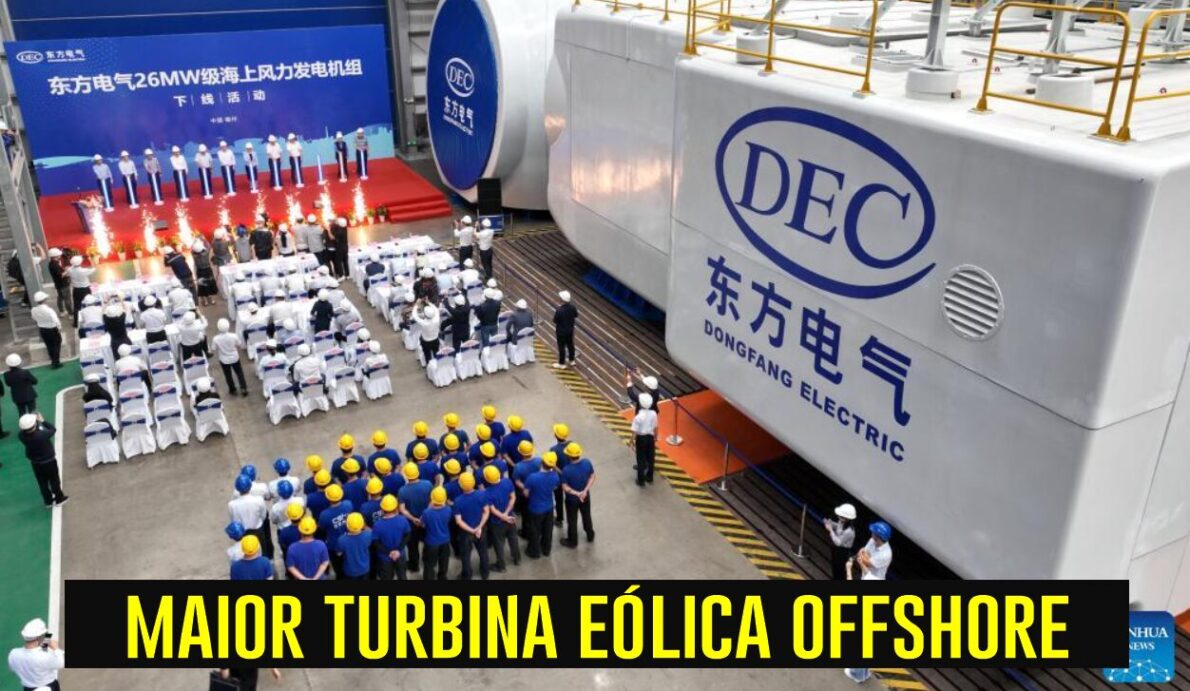
With a Capacity of 26 MW, China Is Challenging the Limits of Renewable Energy with the Most Powerful Offshore Wind Turbine in the World. Discover How This Innovation Is Shaping the Future of Sustainable and Wind Energy on the Planet!
The Chinese state manufacturer Dongfang Electric recently announced a remarkable achievement: the completion of production of a gigantic offshore wind turbine with a26 MW, the most powerful in the world to date. China’s technology is a breakthrough in wind energy generation, surpassing all previous turbines in terms of capacity and environmental impact.
Technological Innovation: The Largest Wind Turbine in the World
Dongfang Electric shared images highlighting the colossal size of the new turbine, with employees appearing tiny next to the imposing structure.
Designed to operate in areas with winds of 8 meters per second (m/s) or higher, this turbine is an engineering marvel ready to withstand even extreme weather conditions, such as typhoons, ensuring its operation in regions with intense winds.
-
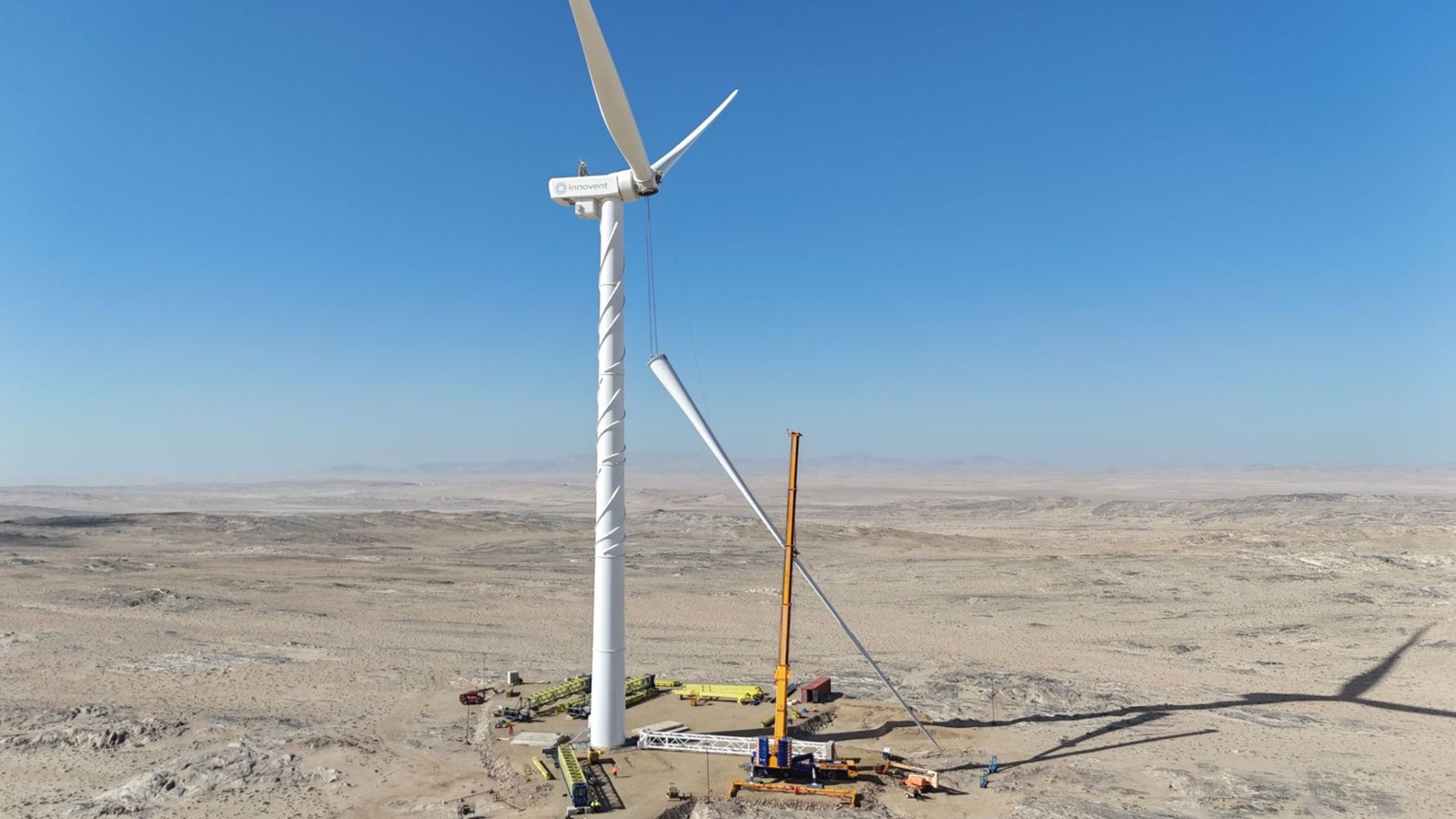
Wind farm in Namibia will have wind turbines assembled without giant cranes and is expected to avoid 200,000 tons of carbon dioxide per year when it becomes operational.

-
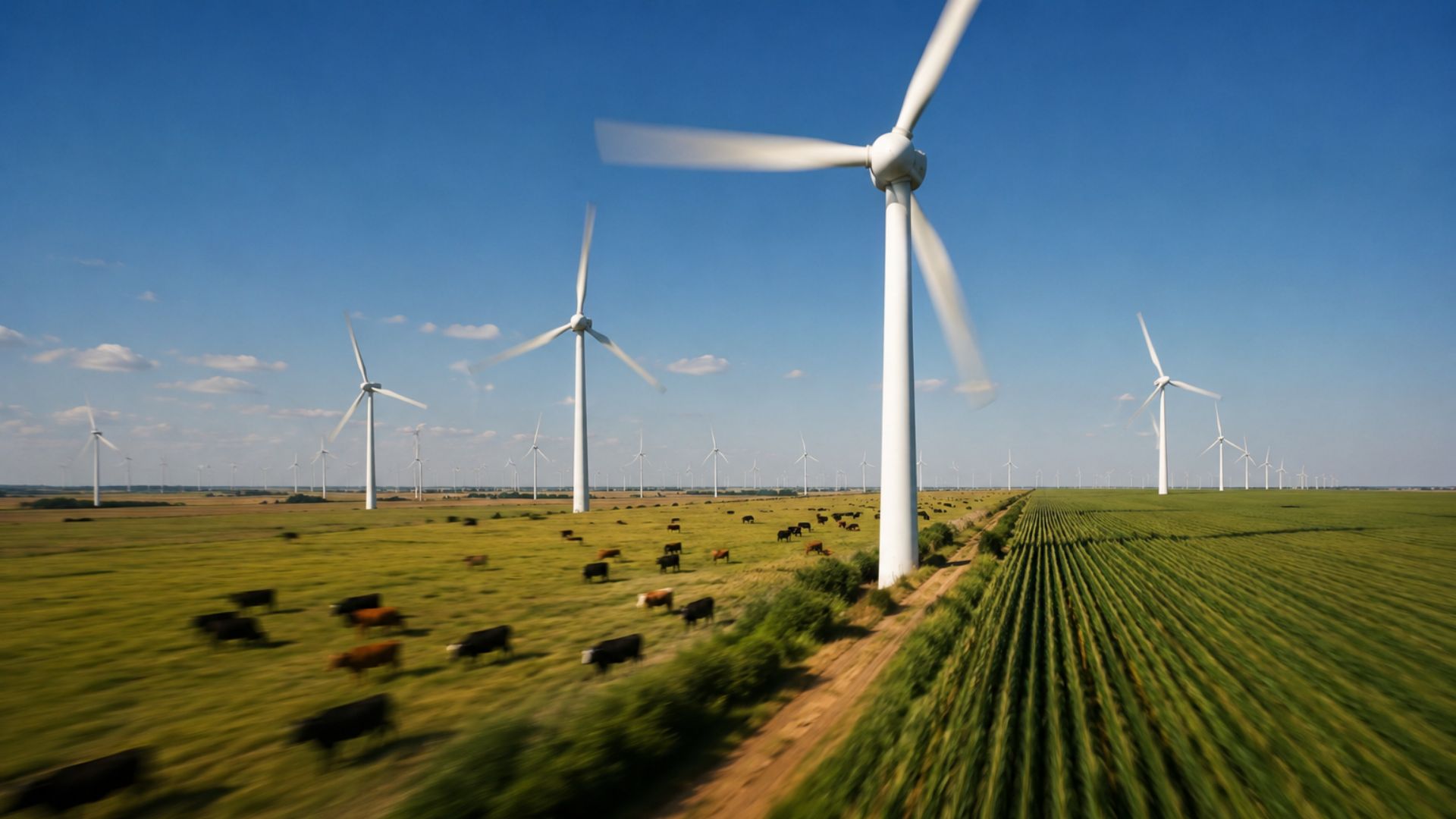
Taller than the Statue of Liberty, thousands of wind turbines are being planted in the middle of U.S. fields, creating two-story farms where corn and soybeans grow below while the wind turns into electricity above.

-
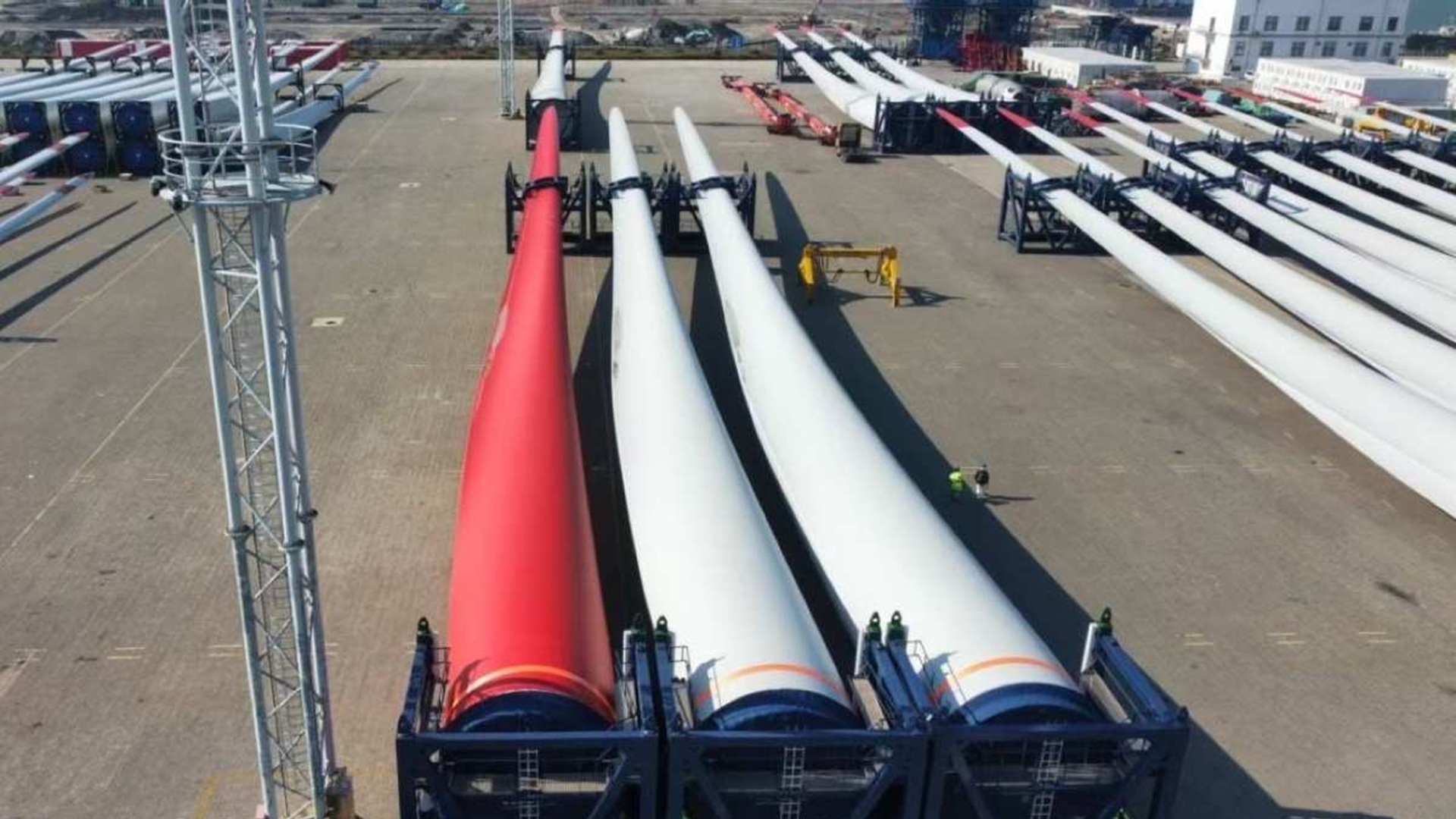
Dongfang breaks world record and manufactures 26 MW wind turbine in China with 137-meter blades that spin so slowly they appear stationary on the horizon.

-
Dutch wind farms attempt to innovate with red blade on turbines

The projected performance of this turbine is equally impressive. In an area with winds of 10 m/s, it could generate approximately 100 GWh of clean energy per year, enough to power about 55,000 homes. This underscores the enormous potential this technology offers for decarbonizing the global energy system.
Environmental Benefits and Combating Climate Change
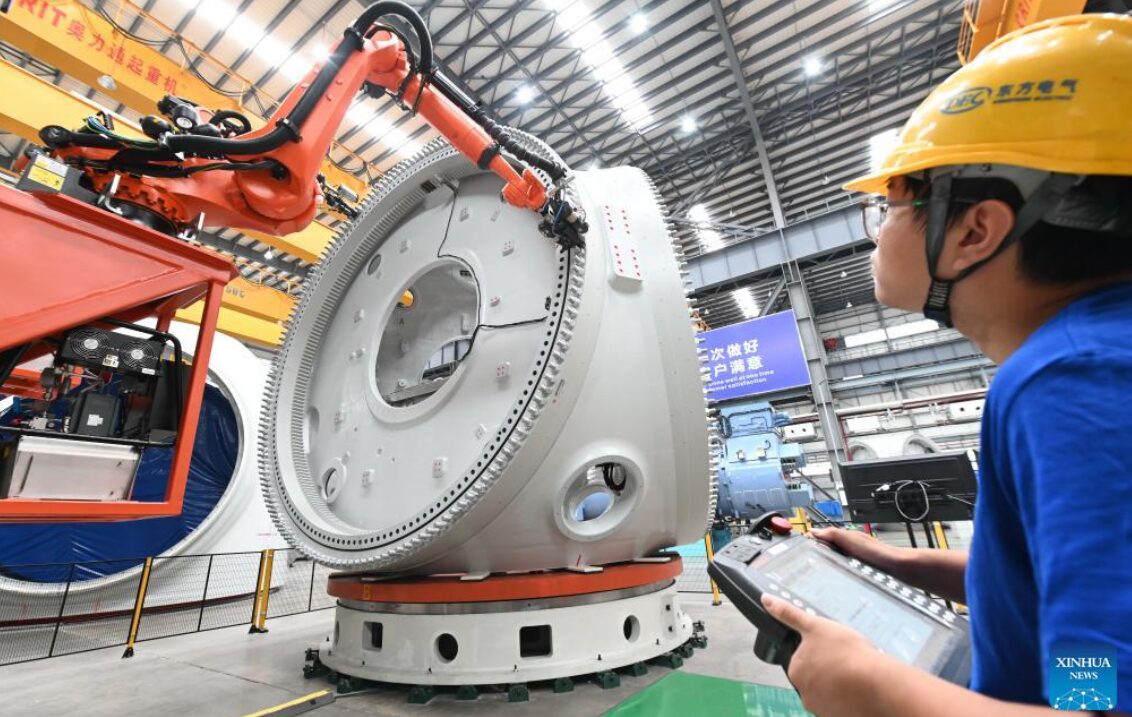
In addition to its impact on energy generation, a single turbine of this magnitude could reduce annual coal consumption by about 30,000 tons. This would result in a decrease in carbon dioxide (CO2) emissions of approximately 80,000 tons per year, significantly contributing to global efforts to mitigate climate change.
In times of environmental crisis, adopting technologies like this is crucial to reduce greenhouse gas emissions and advance the transition to a low-carbon economy.
Extraordinary Dimensions
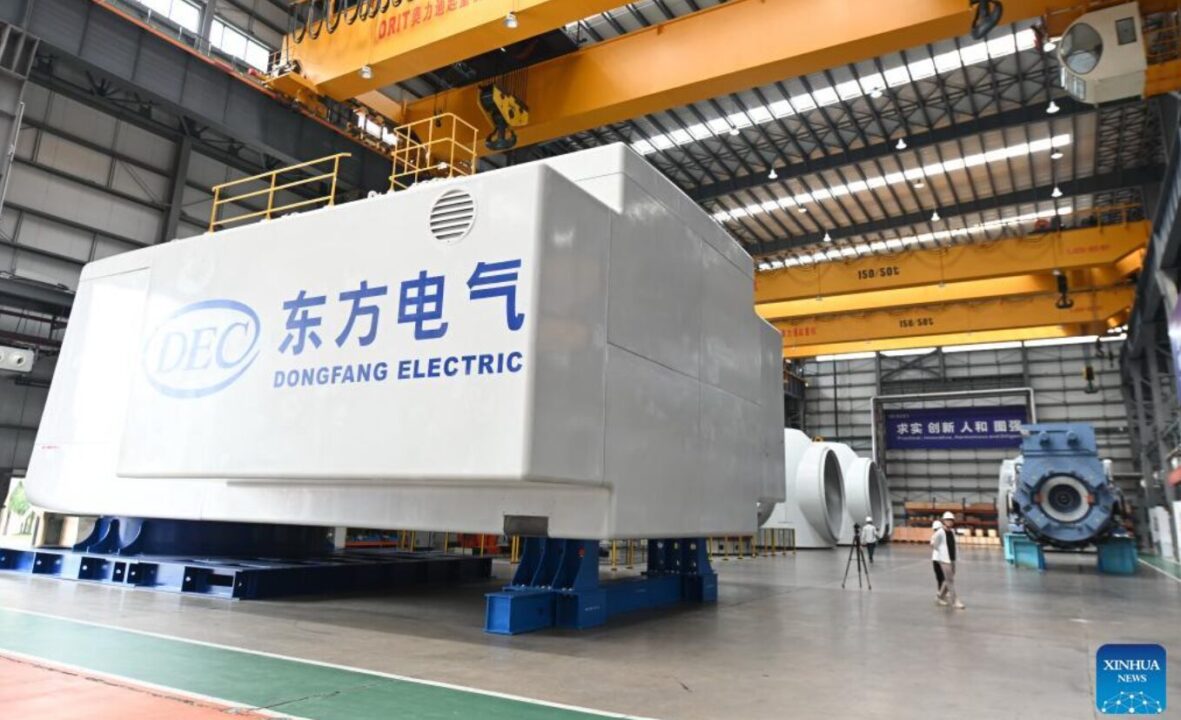
The Chinese state media highlighted the extraordinary dimensions of the new turbine. Its blades have a sweep area of over 310 meters, while the hub height reaches 185 meters.
These features allow the turbine to capture a massive amount of wind, maximizing its efficiency and energy generation.
Although the 26 MW turbine from Dongfang Electric has not yet been installed, its size and power position it as a global leader. Prior to it, the largest turbine in the world was installed by Mingyang Smart Energy, also a Chinese manufacturer of renewable energy equipment, with a capacity of 20 MW.
However, if Dongfang’s turbine is installed soon, it will surpass Mingyang in capacity, consolidating China’s position as a leading developer of offshore wind technologies.
The Importance of Offshore Wind Energy
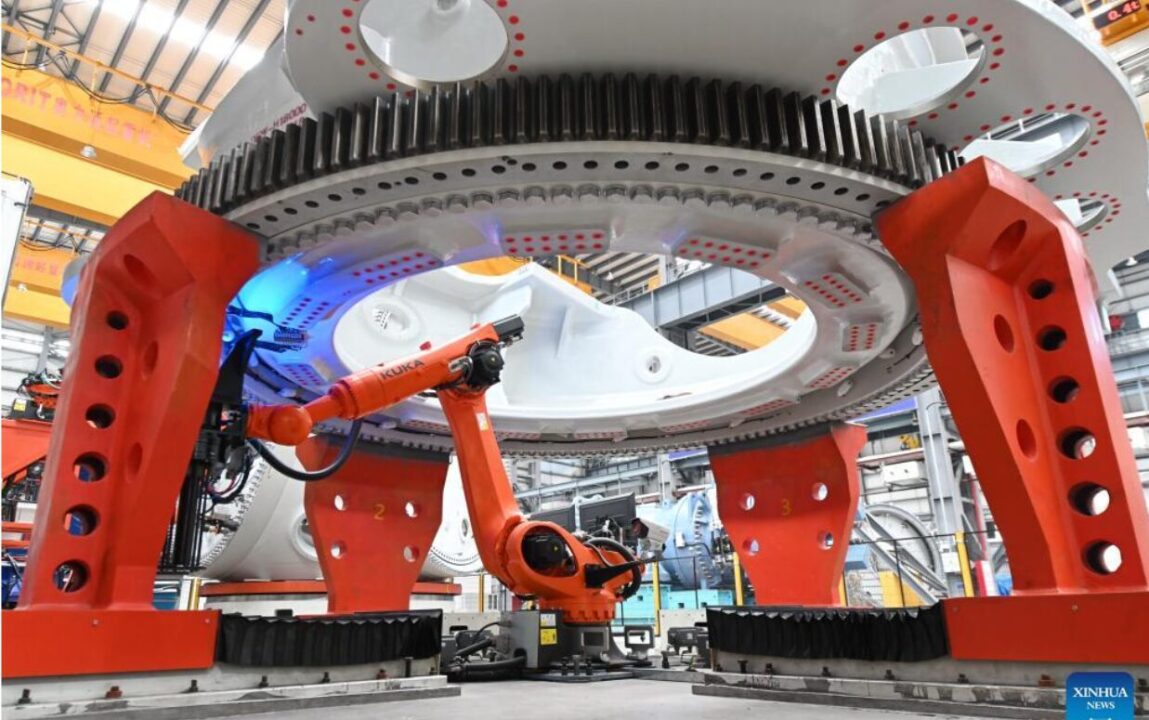
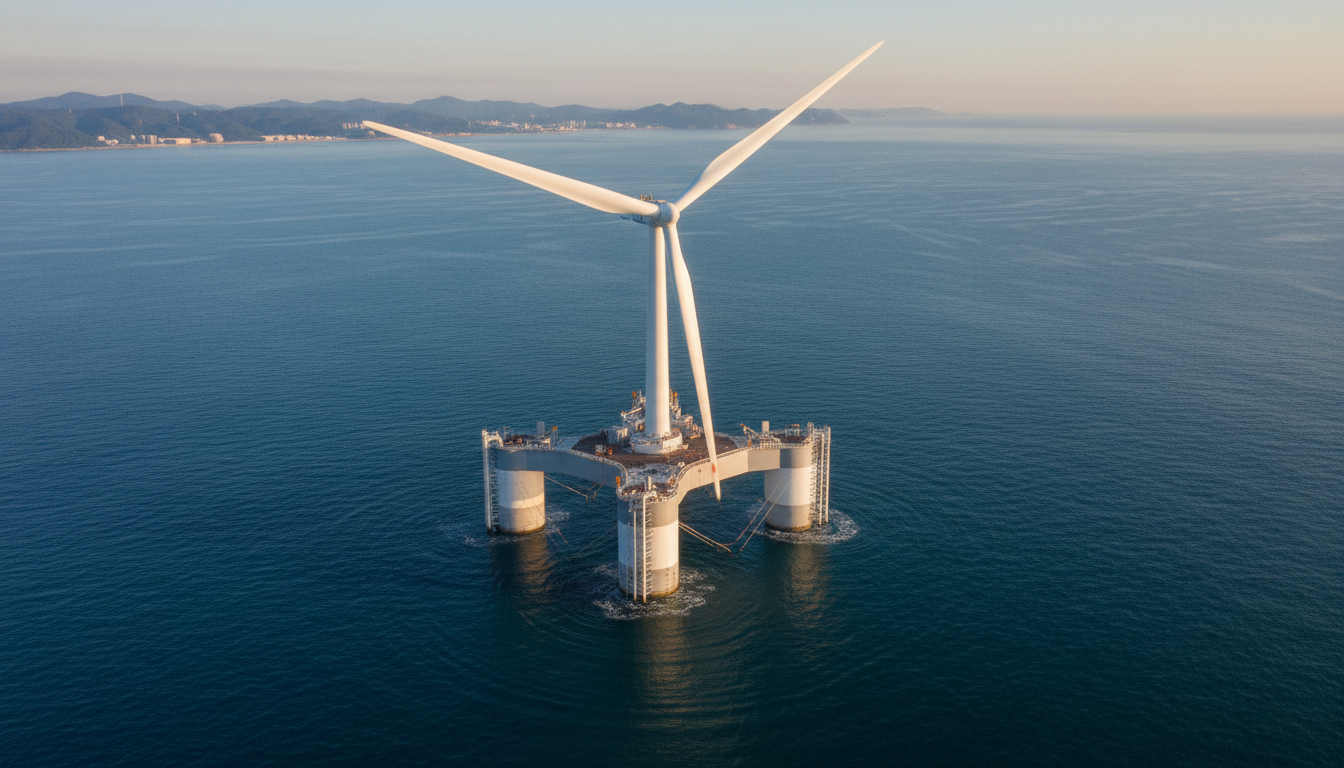
The development of giant wind turbines, like the one from Dongfang Electric, is part of a global movement towards offshore wind energy, which is considered vital for achieving a cleaner and more sustainable energy system.
Offshore wind turbines harness stronger and more consistent winds, increasing their efficiency and generation capacity compared to onshore turbines.
Expanding these technologies is essential to meet global carbon emission reduction targets. By increasing turbine capacity, it is possible to generate more energy with fewer units, reducing the environmental impact associated with the production and installation of turbines.
Furthermore, using offshore wind energy contributes to diversifying the energy matrix and reduces reliance on fossil fuels.
Competition and Technological Advancement
China, while accelerating its efforts to expand offshore wind energy, is not the only one adopting this technology on a large scale. Europe, for example, already has advanced offshore wind farm projects, and other countries are following suit.
However, China’s commitment to renewable energy, as demonstrated by innovative projects like that of Dongfang Electric, reinforces its leadership position in this field.
The development of larger turbines also presents significant technical challenges, such as the need for advances in materials and designs to ensure durability and efficiency. Nevertheless, the opportunities are immense.
Innovation in offshore wind turbines can promote advancements in other areas, such as constructing robust infrastructures and digitalizing energy management.
The Future of Offshore Wind Energy
The 26 MW wind turbine from Dongfang Electric represents an important milestone in the future of offshore wind energy.
As more countries adopt these technologies and companies compete to develop more powerful and efficient turbines, clean energy generation will be intensified, helping the world achieve its sustainability and decarbonization goals.
This technological advancement is a crucial step toward a cleaner energy future, in which offshore wind energy will play a key role in reducing carbon emissions and combating climate change.




Be the first to react!