Portuguese
  Spanish


Intensified inspections found serious irregularities at gas stations in Rio de Janeiro and raised an alert for consumers who refuel daily
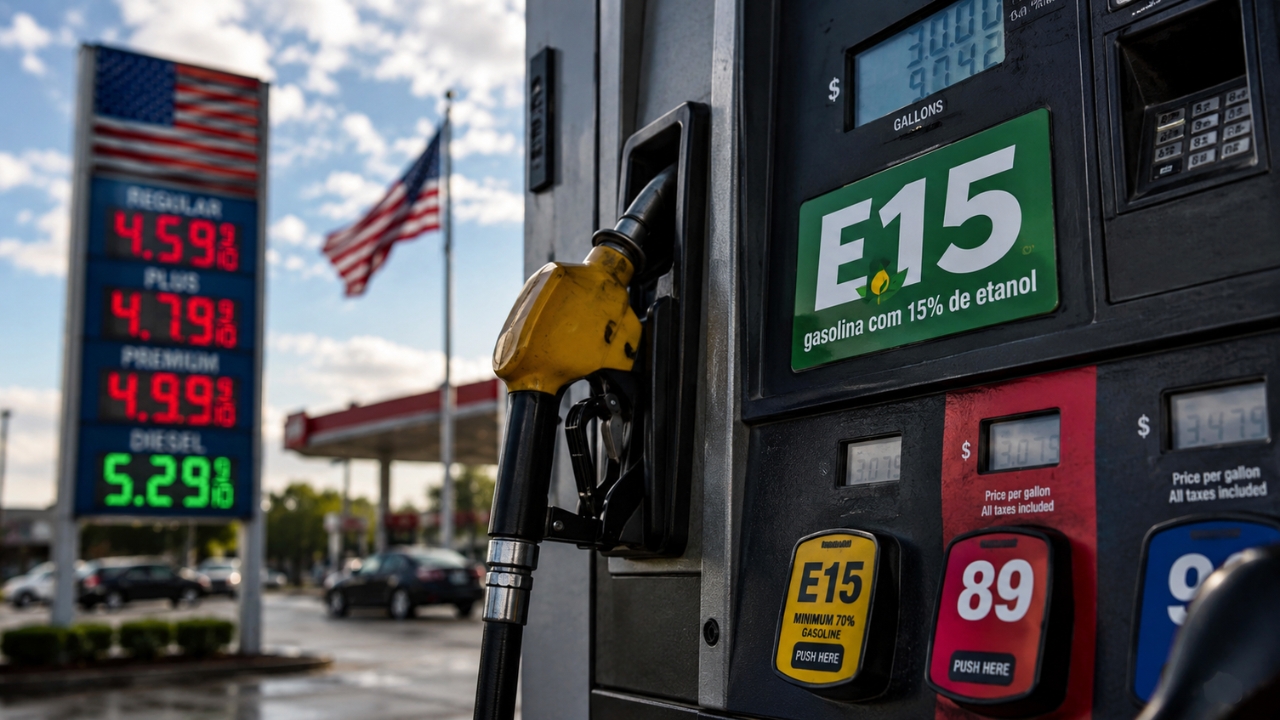
Refueling the car seems like a simple task. However, many drivers still face fraud that goes unnoticed. These practices can cause financial losses, reduce vehicle performance, and cause mechanical damage.
The information was published by the newspaper EXTRA based on data from Procon Carioca and the Municipal Secretariat for Consumer Protection and Defense (Sedecon). According to the survey, inspection teams found several irregularities at gas stations in the city of Rio de Janeiro.
Since November last year, the Posto Sem Roubo operation has expanded inspections throughout the capital of Rio de Janeiro. During this period, inspectors visited 339 establishments. Among them, 27 received citations for irregularities. The number represents about 8% of the inspected stations. Additionally, the teams closed 24 locations for infractions considered serious.
-
New Fiat EV, priced at R$ 77,000, will bring a reinterpretation of the 147 and a consumption equivalent to 70 km/l.

-
Petrobras surprises the market by cutting diesel by R$ 0.35 per liter, and the decision may ease the tax impact for drivers and transport companies.

-
Gasoline at R$ 4.99 makes drivers wait more than an hour at Havan gas stations in Santa Catarina, during a “zero tax” promotion with a limit of 15 liters per car and 25,000 liters available across five units of the network.

-
Tax-Free Day in BH will have gasoline at R$ 3.64, diesel with a significant reduction, and lines during the early morning; see rules, limits, and times to refuel with a discount in Belo Horizonte



According to Sedecon, the operation seeks to protect consumers and ensure compliance with the regulations provided by law.
Low pump and adulterated fuel lead the list of irregularities
Inspectors found different types of fraud during inspections. The most common was the so-called “low pump.”
In this scam, the pump registers a larger volume than the fuel actually delivered to the consumer. Thus, the driver pays for an amount not received.
Additionally, some responsible parties tried to prevent the work of the inspection teams. In certain cases, they turned off power panels or used mechanisms to hinder inspections.
Agents also identified stations without the mandatory documentation.
However, the most serious problem involved adulterated fuels. In some establishments, inspectors found gasoline with an ethanol content above the 30% limit allowed by the National Agency of Petroleum, Natural Gas and Biofuels (ANP).
In Engenho Novo, North Zone of Rio de Janeiro, a station was selling ethanol as if it were regular gasoline. This practice constitutes direct fraud against the consumer.
According to Inmetro, adulterated fuels can reduce engine efficiency, increase consumption, and accelerate the wear of mechanical components.
Additionally, inspectors fined three stations for misleading advertising. Two establishments, located in Barra da Tijuca and Lapa, displayed information capable of confusing customers. Meanwhile, a third station in Jardim Botânico advertised prices different from those charged at the pumps.
How the inspection identifies scams at gas stations
The ANP conducts daily inspections at gas stations across the country.
During inspections, agents analyze fuel quality, check equipment, and verify all mandatory documentation.
To detect cases of under-delivery, inspectors use a standard 20-liter measure. This way, they can confirm if the pump delivers exactly the volume indicated on the display.
According to Júlio Nishida, superintendent of Supply Inspection at ANP, any serious irregularity can result in the interdiction of tanks, pumps, or even the entire establishment.
Additionally, those responsible face administrative proceedings. Fines range from R$ 5,000 to R$ 5 million. Depending on the situation, the ANP can also suspend or cancel the operating authorization.
What consumers should observe before refueling
Consumer protection agencies advise drivers to stay alert during refueling.
First, be wary of prices significantly below the market average. In many cases, overly advantageous offers hide problems with fuel quality.
Additionally, pay attention to promotions conditioned on the use of specific apps or loyalty programs. Some offers present significant differences compared to payments by Pix, card, or cash.
Another important recommendation involves the receipt. Always keep the refueling proof. This document can help in future complaints or investigations.
Similarly, observe the vehicle’s behavior after refueling. Performance drops, increased consumption, or mechanical failures may indicate adulterated fuel.
Additionally, check if the prices displayed on the signs match the values recorded at the pump.
Finally, report any irregularities. Consumers can file complaints through the Procon Carioca website, official social media, the Rio City Hall’s 1746 phone line, or in person at the agency’s headquarters.
Inmetro also receives complaints through the Ombudsman, available on the official federal government portal and via the toll-free number 0800-285-1818.
Inspection helps to combat fraud. However, consumer attention remains one of the most important tools to avoid losses and ensure safe refueling.
And you, have you ever suspected any irregularities when refueling or noticed changes in your car’s performance after leaving a gas station?