






 Portuguese
  Spanish


International Report Shows That China Already Has 600 Nuclear Warheads and Is Advancing Faster Than the US and Russia in Military Expansion.
China’s nuclear arsenal is growing faster than any other country in the world. This conclusion is found in the 2025 Yearbook of the Stockholm International Peace Research Institute (SIPRI), recently released.
According to the document, this expansion occurs in a troubling context, with increasingly weakened arms control regimes and a global rise in military modernization.
Global Number of Warheads
According to SIPRI, as of January 2025, there was an estimated total of 12,241 nuclear warheads in the world.
-
ChatGPT Alerts FBI to Prevent Planned Murder of 8-Year-Old in Brazil’s Espírito Santo

-
Scientists Discover 125-Million-Year-Old “Pregnant Fossil” with Preserved Embryos and Microscopic Larvae Inside Mollusk in England

-
17-Year-Old Justin Bernstein Develops Bacteria to Produce Glass on Arctic Ice to Reflect Sunlight, Wins $50,000 U.S. Scholarship

-
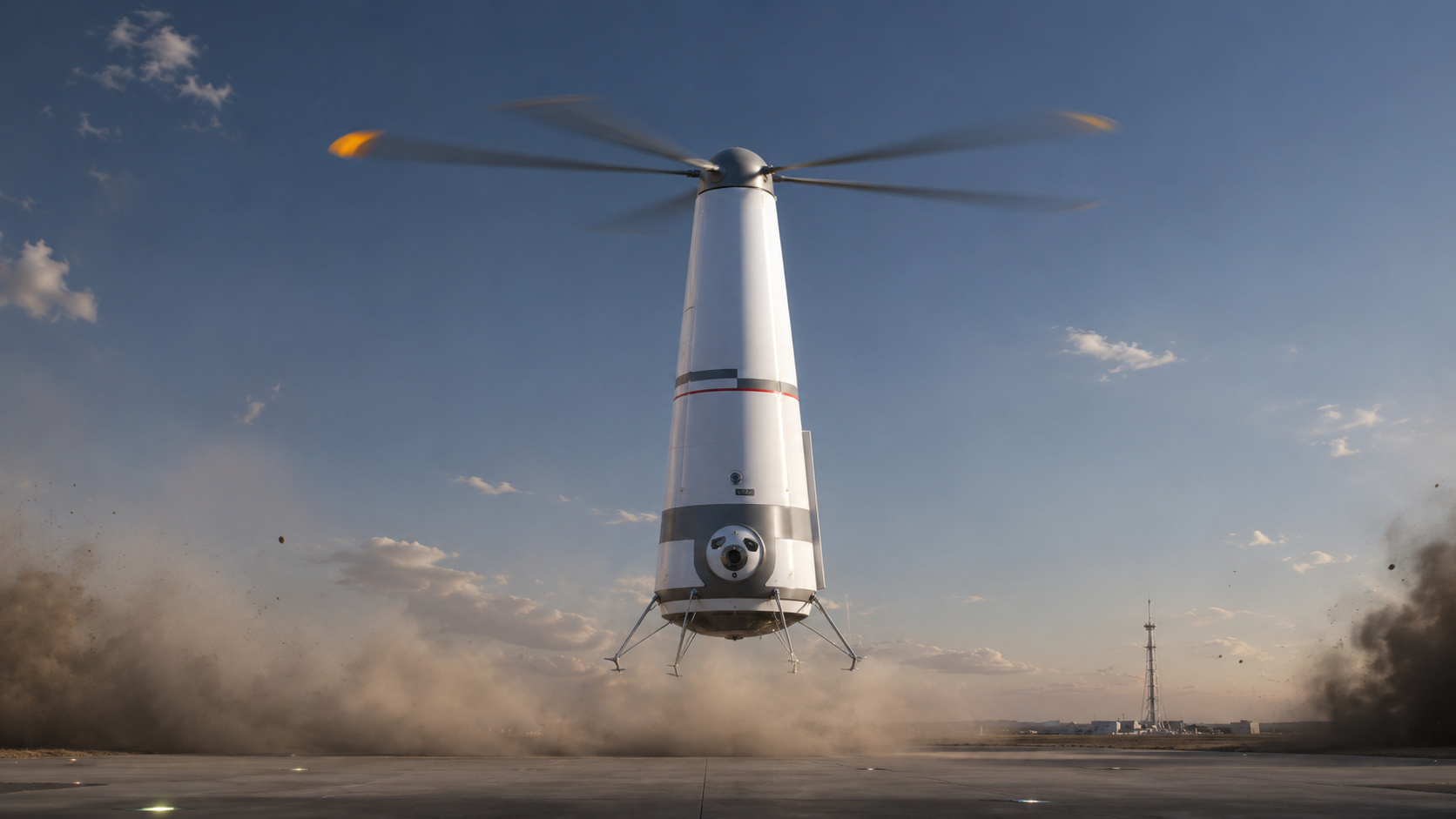
The 19-Meter Rocket-Helicopter: A Private Industry Prototype That Challenged Space Race Logic



Of these, 9,614 were allocated in military stockpiles for potential use. About 3,912 warheads had already been deployed on missiles and aircraft. Another 2,100 of these warheads were on high operational alert.
Almost all of this alert arsenal belongs to the United States and Russia. However, the report indicates that China may have begun to maintain some warheads on missiles ready for use, even in times of peace. SIPRI highlights that the era of arsenal reductions, which began after the end of the Cold War, appears to be coming to an end.
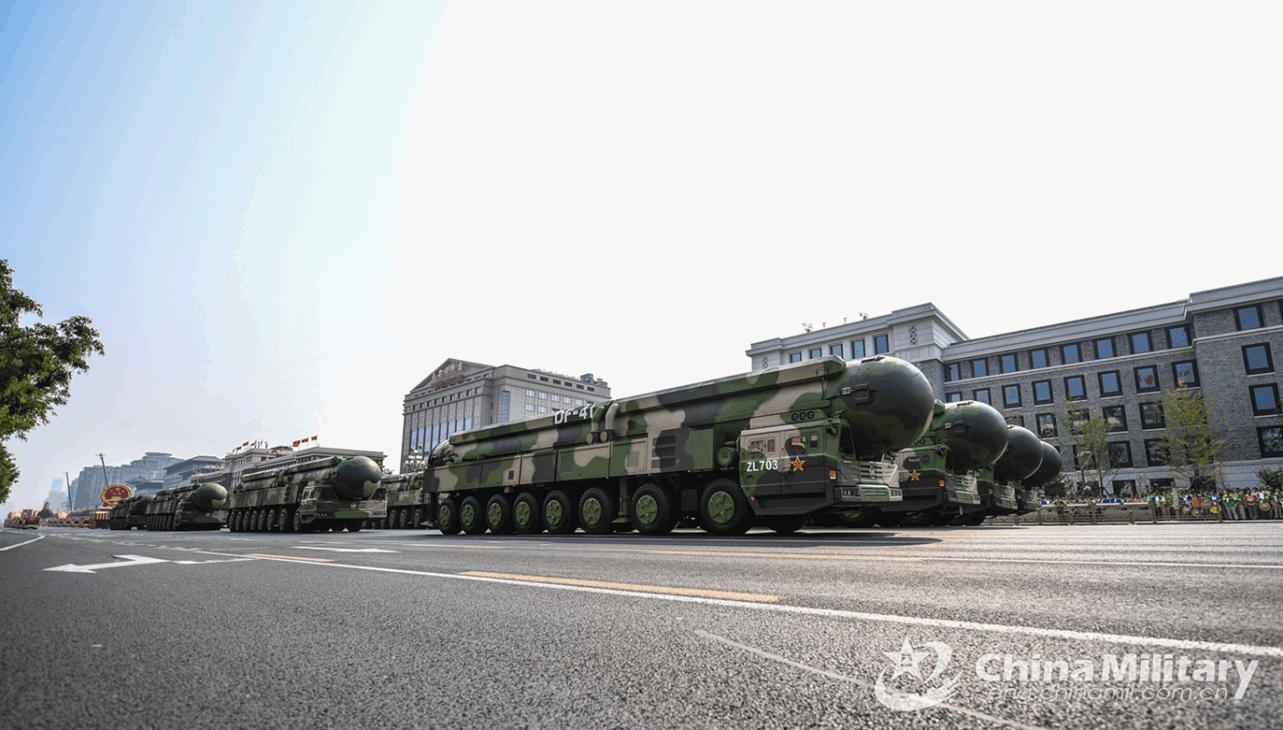
China Rapidly Expands Its Arsenal
The most significant advancement was by China. According to the report, the country increased its number of nuclear warheads from 500 to at least 600 in just one year. This 20% growth is the same as recorded in the previous year.
SIPRI projects that China may reach up to 1,500 warheads by 2035, although this number would still represent only one-third of the Russian and American arsenals.
The analysis also anticipates that by the end of the decade, China could have a comparable number of intercontinental ballistic missiles (ICBMs) to Russia and the US. However, even with this increase, the total stockpile of Chinese warheads will remain well below the two leading nuclear powers.
Russia and the US Remain Ahead
Russia remains in the lead with 5,459 nuclear warheads. The United States follows closely with 5,177 warheads. Together, the two countries account for about 90% of all nuclear weapons on the planet.
The report notes that while the number of usable warheads remained relatively stable in 2024, both countries continue extensive modernization programs.
These programs, according to SIPRI, may increase both the size and diversity of Russian and American arsenals in the coming years. This trend reinforces the institute’s assessment that the world is moving toward a new nuclear arms race.
Other Countries with Nuclear Arsenal
The report also analyzed the nuclear stockpiles of other countries. North Korea, an ally of China, currently has about 50 assembled nuclear warheads. Pyongyang is also believed to have sufficient fissile material to produce another 40 warheads.
The document states that the country continues to prioritize its nuclear program and that South Korea warned in 2024 about advancements in the development of a tactical nuclear weapon.
France and the United Kingdom maintained the same numbers as the previous year, with 290 and 225 warheads, respectively. India had a small increase, rising to 180 warheads, while Pakistan remained at 170. Israel, which does not officially admit to possessing nuclear weapons, is estimated to have 90 warheads.
End of Reduction and Start of a New Era
For Hans M. Kristensen, senior researcher at SIPRI and director of the Nuclear Information Project at the Federation of American Scientists, the current scenario represents a historic change.
“The era of reductions in the number of nuclear weapons in the world is coming to an end. Instead, we see a clear trend of growth in nuclear arsenals, heightened rhetoric, and abandonment of arms control agreements,” he stated.
This assessment summarizes the alarmist tone of the report: the world is entering a new phase of nuclear expansion, marked by instability and fewer multilateral agreements. The trend moves away from the disarmament scenario that has prevailed since the end of the Cold War.


