






 Portuguese
  Spanish


Chinese Port In Latin America Promises To Generate 8,000 Jobs And Move Up To US$ 4.5 Billion Per Year, After US$ 3 Billion Investment
The relationship between China and Latin America gained a new chapter with the inauguration of an impressive port in Peru, a strategic infrastructure with investments exceeding US$ 3 billion. The new port of Chancay, located about 80 km from Lima, emerges as a powerful connection between the Pacific and global markets, reinforcing China’s role as a crucial economic partner for the region.
A Gateway For Investments In Latin America
The inauguration of the port takes place at a significant moment, preceding the Asia-Pacific Economic Cooperation (APEC) forum and an important meeting between Chinese leader Xi Jinping and U.S. President Joe Biden.
This event illustrates Beijing’s growing influence in Latin America, which has long been a stronghold of U.S. influence. Now, the investment in the port of Chancay signals that the balance of power is changing and that China is here to stay.
-
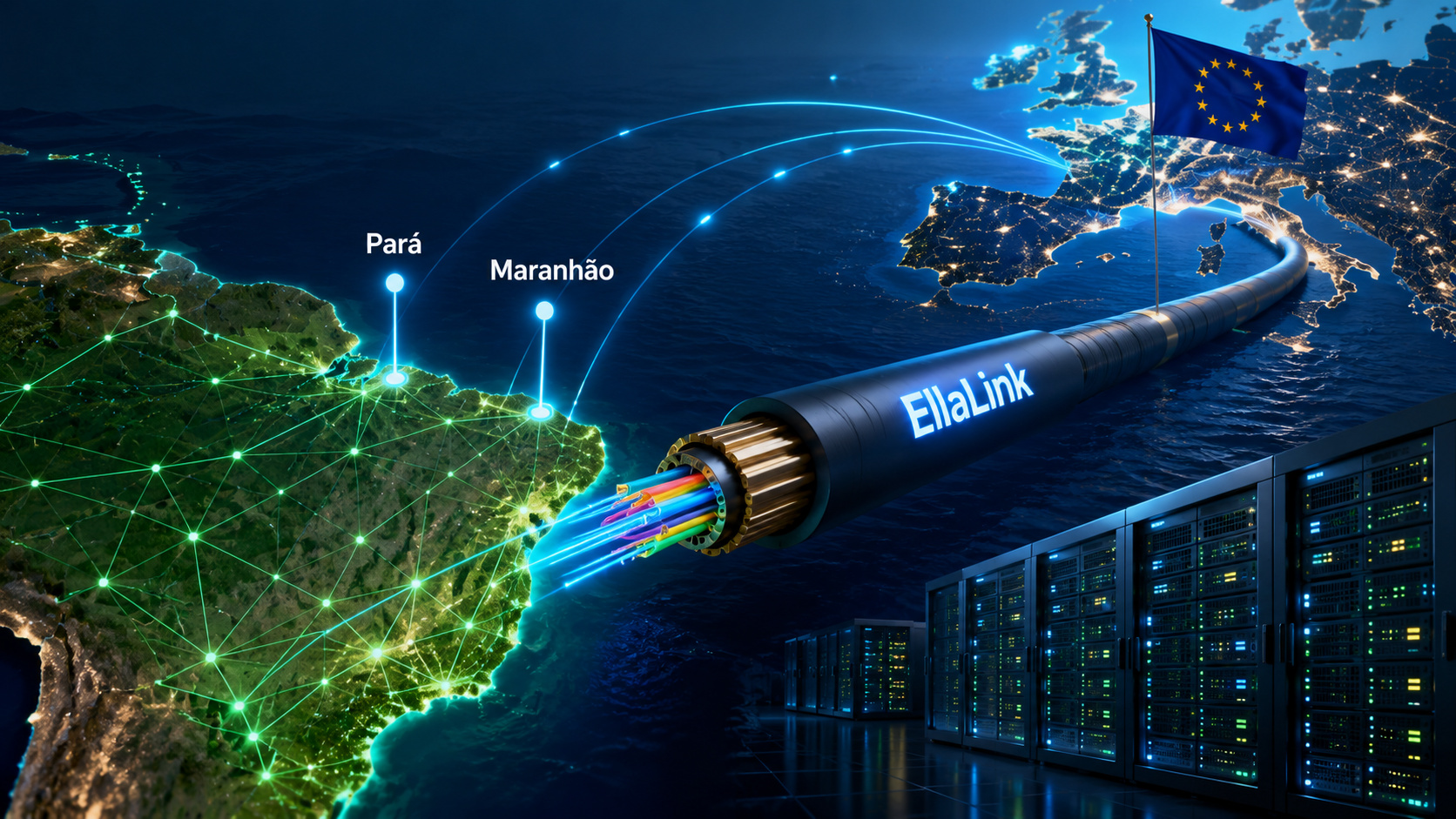
European Union Announces €260 Million Investment to Extend EllaLink Submarine Cable to Northern Brazil, Reducing Digital Dependence on U.S. Routes

-
U.S. Women’s History Museum Stalled in Congress Amid Gender Identity and Diversity Debate
-
European Parliament Approves Digital Euro, Aiming to Challenge Visa and Mastercard’s Dominance and Transform Payments Across Europe by 2029
-
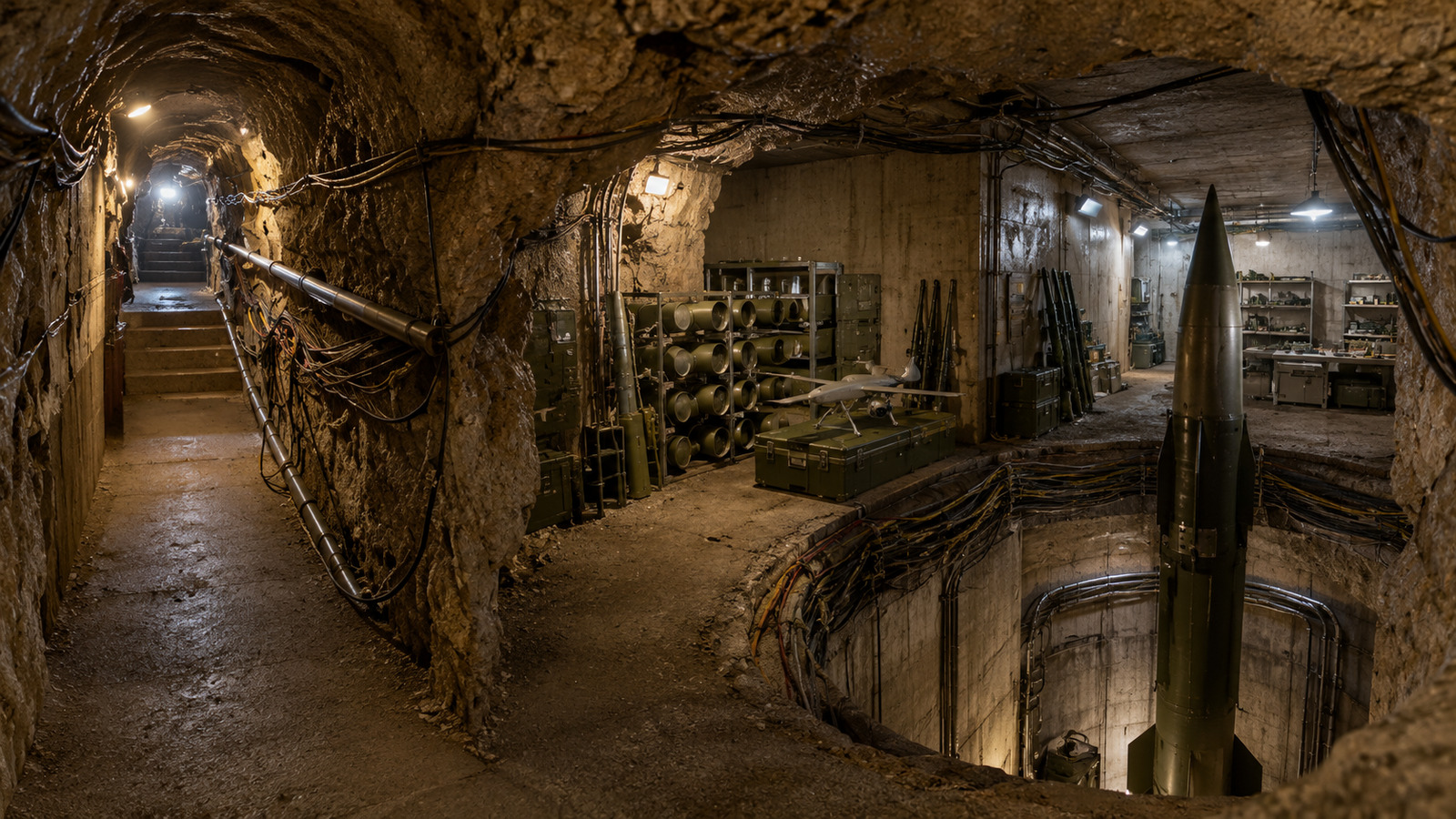
Israel finds Hezbollah militarized tunnel over 200 meters long under village, with 4 missile launch shafts, 12 chambers, anti-tank missiles, drones, and weapons depots at a depth of 25 meters.



With Chinese companies deeply involved in nearly all aspects of the construction and operation of the port, Chancay has become a flagship project of this influence. In 2019, the maritime giant Cosco acquired a 60% stake in the project for US$ 1.3 billion, starting to operate a high-tech logistics center.
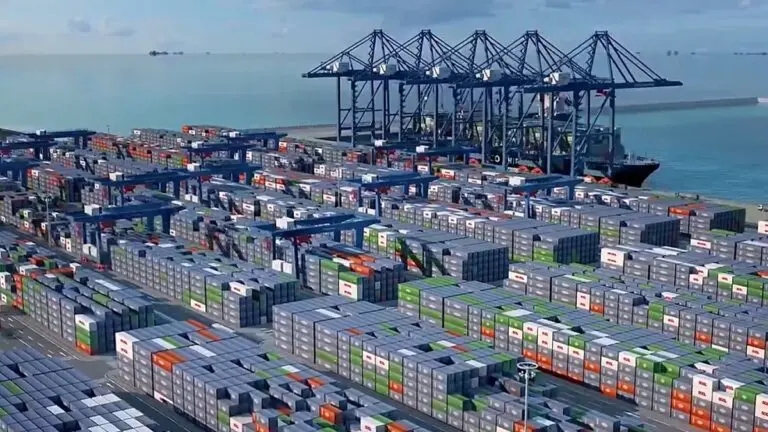
From automated cranes supplied by Shanghai Zhenhua Heavy Industries to electric and autonomous trucks manufactured by Chinese companies, the operation stands out as a landmark of innovation in South America’s port sector.
Why Is The Port Of Chancay So Strategic?
The port of Chancay is not just an export route for Peruvian products. It represents a connection point between trade in Asia and South America, functioning as a hub that can accommodate large ships that do not fit in the Panama Canal.
This infrastructure, therefore, represents a competitive alternative to traditional ports in the region, capable of reducing the time and cost of commercial operations.
The economic impact is so relevant that Peruvian President Dina Boluarte described the port as a potential “nerve center” to unite the continent with Asia.
Boluarte emphasizes that the project should generate around 8,000 jobs and move up to US$ 4.5 billion in economic activity annually. For Peru, the port opens up export possibilities and even the chance to become a base for automakers, such as the Chinese electric car manufacturer BYD.
A Security Concern For The United States
If, on one hand, the project is celebrated by China and Peru, on the other, it raises alarms among the United States. The level of Chinese investment and interest in Chancay has raised concerns that the port could serve as a base for Chinese military operations in Latin America.
American officials, such as former U.S. Southern Command leader Gen. Laura Richardson, have expressed concern that the port could serve as a “foothold” for Chinese military presence, although China denies any military intentions regarding the project.
This kind of concern, however, does not find resonance in Peru, where the prospect of a cutting-edge technological hub and a new source of investments is warmly welcomed.
As researcher Leolino Dourado of the Center for Chinese and Asia-Pacific Studies at the Universidad del Pacífico explains, Latin American countries are focused on selling their products and attracting investments, which weakens any fear-driven rhetoric from abroad.
The Belt And Road Initiative And Its Expansion In Latin America
The port of Chancay is another piece in the ambitious Belt and Road Initiative (BRI), a strategic plan that Xi Jinping launched in 2013 to develop infrastructure and global connectivity. So far, the BRI comprises a network of over 40 ports worldwide, reinforcing China’s presence in key regions for trade and diplomacy.
Although Beijing insists that the project is purely commercial, Chinese analysts have already suggested that the port represents a geopolitical victory that requires protection against U.S. interference. This view reinforces the notion that China sees Chancay not only as a trade route but also as a strategic point in its global influence plan.
A Future For Sino-Peruvian Trade
The inauguration of the port of Chancay is expected to accelerate trade between Peru and China, which has been the South American country’s largest trading partner for a decade. In 2023, trade between the two nations reached US$ 36 billion, nearly double the US$ 21 billion that Peru traded with the United States during the same period.
In addition to facilitating trade, Chancay could help China expand its mining operations in Peru. Currently, Peru is the second-largest producer of raw copper in South America, and China is interested in securing copper supply for its technology and clean energy industries, sectors that depend on this strategic metal.
Local Controversies About Port Operation
Although the port is widely celebrated, not everyone in Peru is fully satisfied with the project. The granting process generated debates, and the country’s port authority attempted to change the terms of the agreement with Cosco, alleging an administrative error in granting exclusive operational rights for 30 years. The action was withdrawn in June, just days before Boluarte traveled to China for a meeting with Xi.
For many Peruvians, the Chinese presence is no longer seen with the same strangeness as in previous years. The advancement of the Belt and Road Initiative in Latin America shows that local economies are willing to embrace new allies, especially those that bring tangible opportunities for growth and innovation.
The Role Of The Port In The Geopolitical Scenario
The inauguration of the port of Chancay symbolizes a watershed moment for Peru and all of Latin America. With the potential to transform the country into an export center for the rest of the continent and connect it to the Asian market, Chancay reinforces China’s role in redefining global trade routes.
Moreover, the port offers a unique opportunity for Peru to diversify its economy, attract new investments, and open doors for technological development.
In summary, the Chancay project illustrates how the Belt and Road Initiative is reshaping the economic and geopolitical landscape of Latin America. While China sees Latin America as a strategic extension of its trade power, countries like Peru seize the opportunity to expand their own economic ambitions and connect to a global network of investments and innovation.





Grande notícia para a América! Se os EUA não gostaram, **** no rab…deles. Que fiquem fazendo o muro na divisa com o México.
Temos que tirar a hegemonia dos EUA.
Querem dominar o mundo.. espero que os países da Ásia façam de tudo, para impedir…kkk
Sou a favor que esqueçam os ****, que morram com as suas máquinas de guerras, a única coisa que sabem fazer. Lixos. Avisar aos **** que a fila andou. Tchau!!!!!
Países não têm amigos, tem interesses. Assim fazem todos os países de sucesso econômico no mundo. Os que alinham a uma potência internacional ou escolhe um lado ficam em desvantagem com relação aos que negociam com todos!
Sim, mas uma política de relacionamento amistoso solidifica a parceria para o futuro. Uma postura exploratória afasta os parceiros.