Portuguese
  Spanish


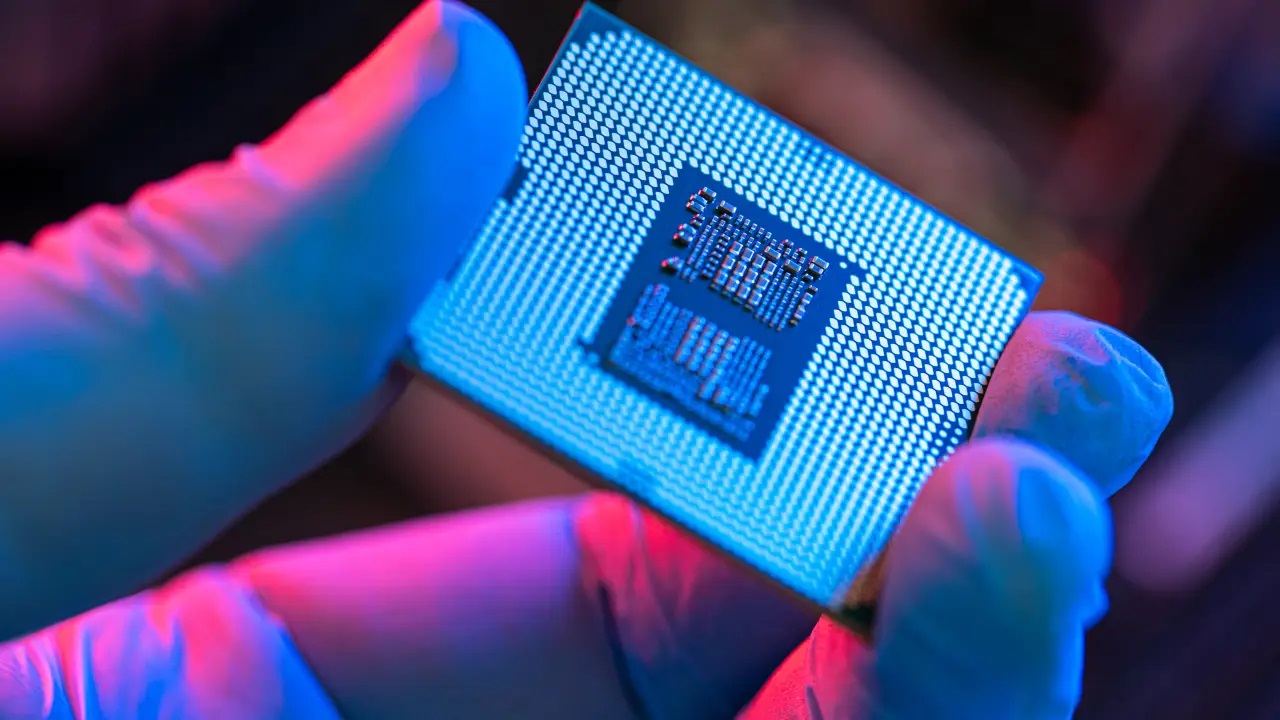

China Patents Technology That Could Change the Semiconductor Chip Market. Technology Produced by Huawei Could Allow the Country to Catch Up to the US in This Segment.
With significant challenges in the sector last year, the Chinese company Huawei registered a patent for a technology that can alter the balance of power between China and the United States (US) and mitigate the risk of a potential war with Taiwan. This involves extreme ultraviolet lithography, a highly advanced and critical technology that has its sales controlled by the Americans.
Discover the Technology Developed by the Chinese Company
The new technology only exists in the Twinscan NXE, a large machine located in the Netherlands, managed by Advanced Semiconductor Materials Lithography (ASML). The equipment weighs approximately 180 tons, costs about 150 million dollars, and consumes 1.3 million watts of energy, used to produce the most advanced computer semiconductor chips available.
The machine can only achieve this feat due to extreme ultraviolet lithography (EUV), which generates and manipulates high-frequency light with very small, microscopic wavelengths capable of drawing the structures of semiconductors.
-
Scientists Develop Battery Using Mineral Found in Bones and Chalk, Surviving 1,000 Charges While Retaining 75% Capacity, Paving the Way for a Lithium-Free Future

-
Super-Earth Twice the Size of Our Planet Discovered Nearby, Offering Clues About Life Beyond the Solar System
-
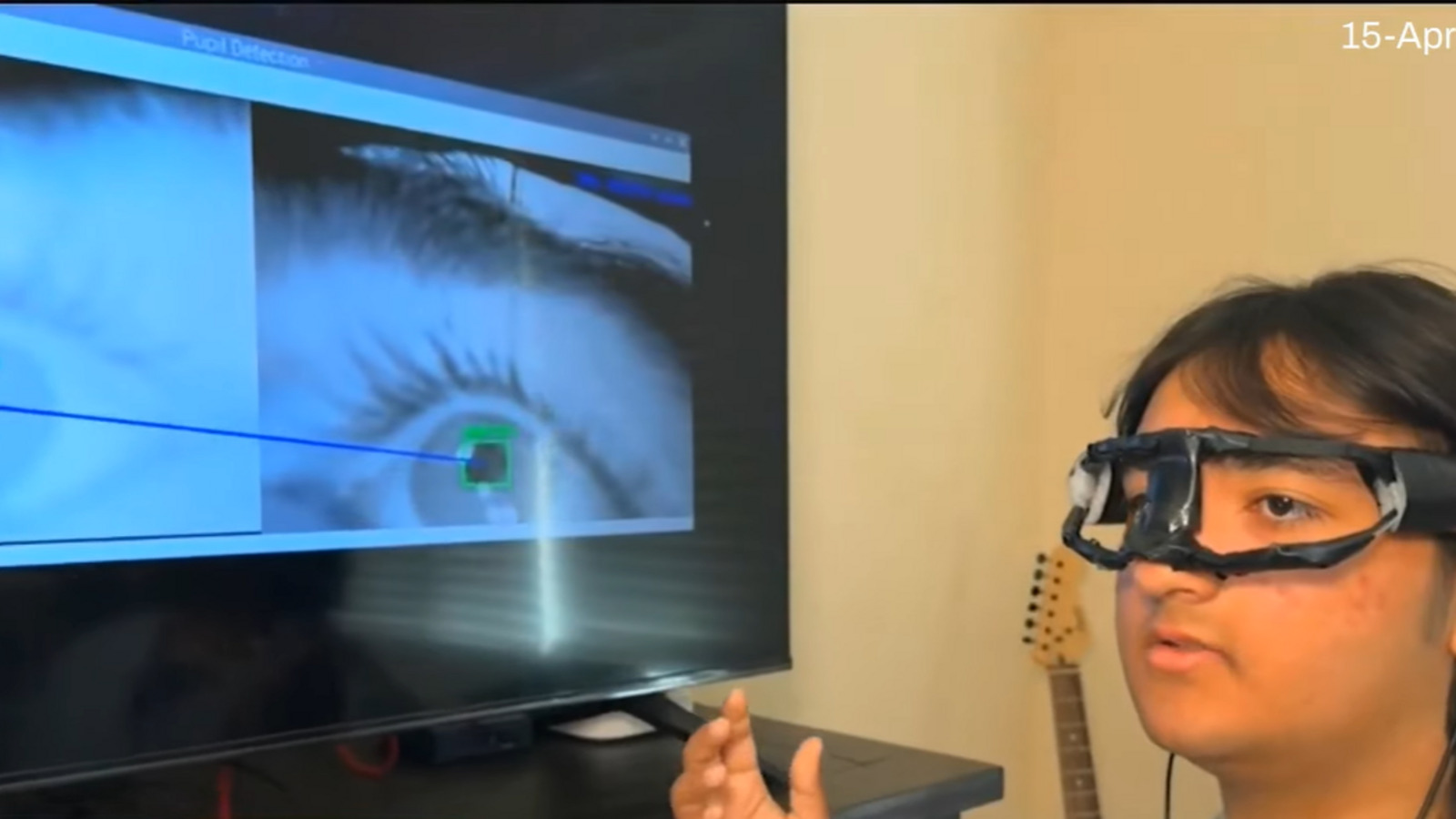
Teen Invents Promising AI Device to Detect Eye Misalignment Using 3D-Printed Visor and Small Cameras for $300

-
Bosch Unveils Series 8 Dishwasher with Zeolith Drying, Voice Control, and Energy-Efficient Features




China does not possess this machine and cannot purchase it, as the US does not allow it to be exported to the country. ASML would like to do so, but cannot, since the Netherlands signed the Wassenaar Arrangement in 1996, a treaty that prohibits the export of military and dual-use technologies to certain countries, including China.
As a result, China remains far behind the West in terms of semiconductor chip production. This is at the core of the tensions surrounding Taiwan, home to the Taiwan Semiconductor Manufacturing Company (TSMC).
China Uses Production Technique From Nearly 20 Years Ago
TSMC is responsible for producing processors for Apple, Qualcomm, Nvidia, and AMD, operating most of the extreme lithography machines. Thus, it produces the world’s most advanced chips, sculpted with precision between 3 to 5 nanometers, equivalent to 20,000 times thinner than a human hair.
The more precise the process, the more transistors can be placed on the CPU, making it more powerful and energy-consuming. China also owns ASML machines, but only older generations, lacking extreme lithography. Its indigenous technology is also far behind the West. By 2021, the country only mastered the 90-nanometer manufacturing process, which is significantly outdated compared to current standards; the same process was used in the Pentium 4, a chip released by Intel almost 20 years ago.
Over the past year, China has managed to close part of the gap, mastering 28-nanometer technology. This allows for the production of semiconductor chips comparable to those produced by the West in 2012.
China Could Lead the Sector Through Technology
If China takes control of Taiwan, it will gain immediate access to extreme lithography technology, eliminating the differences with the West. It will gain control over the TSMC and, consequently, a significant portion of the global semiconductor chip production, potentially complicating or vetoing their export to the US, for instance. It could also assume a leadership role in technology for the next generations of CPUs, used not only in consumer products but also in military equipment and systems.
The supremacy in computer chips, the most complex product humanity produces, is a central element in the tensions involving the US, Taiwan, and China, with the potential to spark a war.
However, there is another path, as at the end of 2022, Huawei registered the patent for its own extreme ultraviolet lithography technology, which could enable China to catch up with the West and start producing more advanced semiconductor chips.