Portuguese
  Spanish


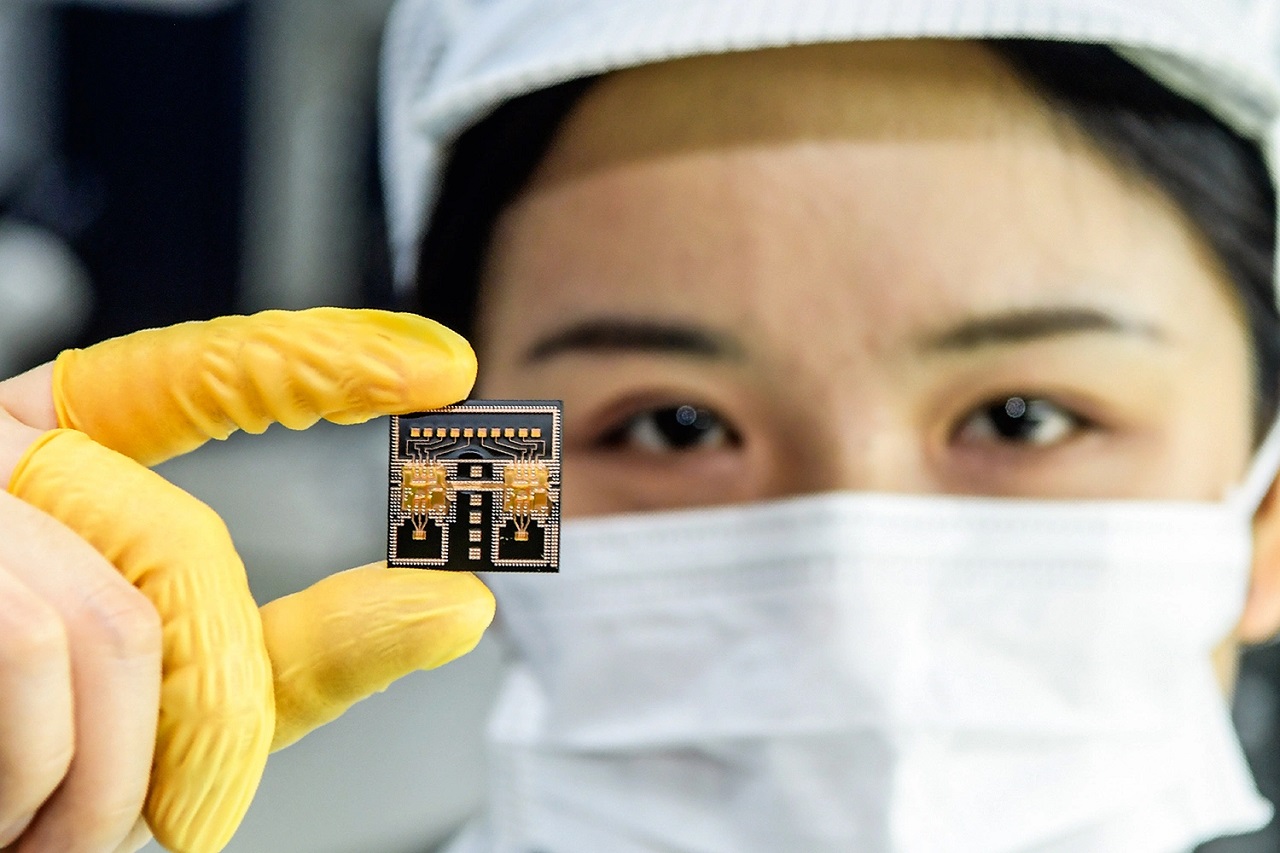

A Team of Researchers from China Discovered a New Material Capable of Replacing Silicon, a Material Widely Used in the Production of Semiconductor Chips. The New Material is 10 Times More Conductive.
Silicon, used in almost all chips and semiconductors, is the material that made possible the entry of much of modern technology. However, a team of researchers from China found an alternative that may be the best semiconductor material ever discovered. Scientists from the Massachusetts Institute of Technology (MIT), the University of Houston, and other public institutions published a paper citing a material called cubic boron arsenide, which is much better for conducting heat and electricity, potentially opening up pathways for smaller and more powerful chips.
Chinese Researcher Returns to Science as a Leader After Investigations by the U.S.
Among those involved in the discovery that may replace silicon is Chen Gang, a mechanical engineering professor at MIT who was exonerated from accusations after more than a year of investigations by the U.S. Department of Justice.
The professor, who was born in China and is now a naturalized American, was a prominent target of the now-defunct China Initiative, a program created under Donald Trump’s administration that investigated scientists from Asian countries in the name of preventing espionage. Chen was arrested in January of last year for allegedly failing to disclose ties to Chinese institutions.
-
Rolls-Royce Turns Heads with 30-Inch Floating Wheels, 6.6-Liter V12 Engine, and 563 Horsepower

-
2019 Kia Sportage EX: A Spacious and Cost-Effective SUV with 2.0 Flex Engine and Panoramic Roof
-
Fiat Strada Becomes Top Seller in June, Surpassing Onix, Polo, Hilux, and T-Cross with 107 HP Engine and 732 km Range.

-
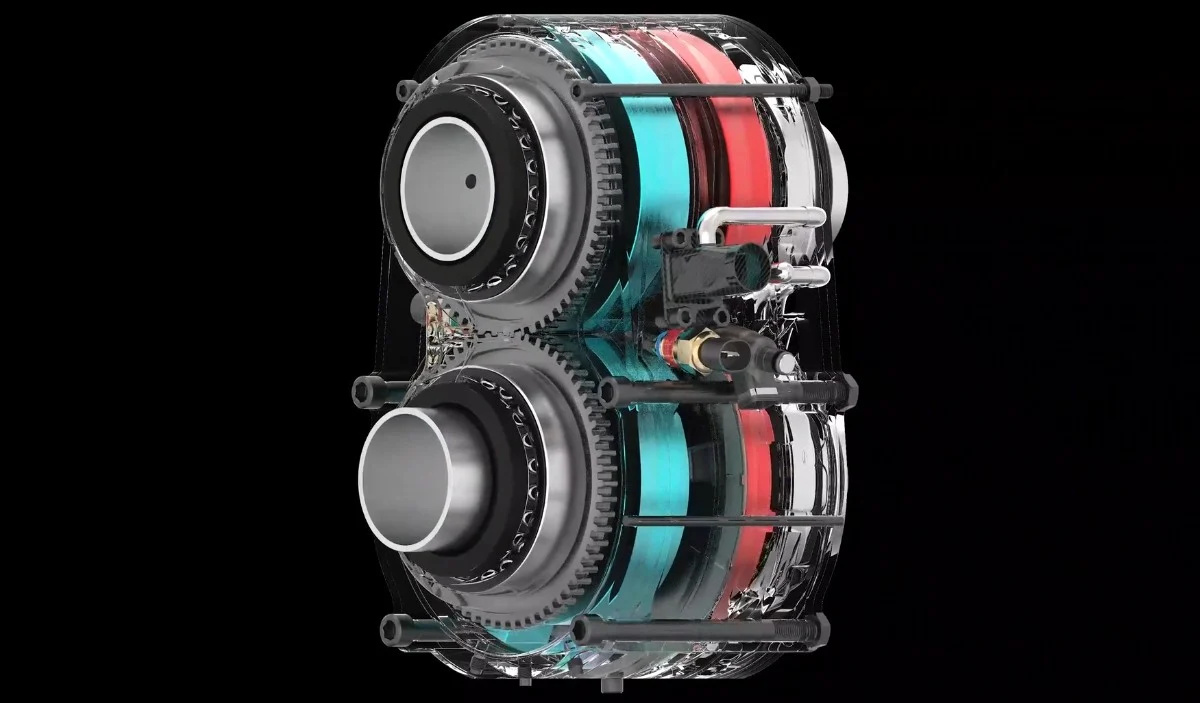
Suitcase-sized hydrogen engine spins at 25,000 rpm, nearly doubling the efficiency of conventional cars and replacing exhaust smoke with water vapor


The charges were dropped earlier this year due to lack of evidence. The Chinese scientist claims that, even after months of having his name cleared, he was still struggling with the fear he felt during the investigation. The latest discovery marks the return of the researcher as a leading scientist in his field. The team includes MIT postdoctoral associate Jungwoo Shin and Professor Zhifeng Ren from the University of Houston, and discovered that the thermal conductivity of cubic boron arsenide is nearly 10 times greater than that of silicon, which could be a game changer.
New Semiconductors Are Produced on a Small Scale
The material also has a very good band gap, a property that gives it great potential as a semiconductor material, as it can switch from an insulator to a conductor depending on temperature.
According to Chen, in a press release from MIT, this is impressive, as he does not know of any other material, other than graphene, that has all these properties. And this is a material that possesses those properties.
Although cubic boron arsenide may seem like a distant dream for semiconductor chips, it has only been produced and tested in small, non-uniform laboratory scale batches. The goal now is to find a way to economically produce the material on a large scale while maintaining uniform quality.
Durability and Stability of the New Material Will Be Tested
According to Chen, silicon is the flagship of the entire industry, so it is common to have a material that is better, but it is not known whether it will actually be worthwhile for the industry.
Even though the material appears to be almost an ideal semiconductor, whether it can enter a device and replace part of the current market still needs to be proven. The stability and long-term durability of the new material from the researchers in China have not yet been tested.
The commercial use of cubic boron arsenide may still be a long way off, but it could make a difference in certain applications in the near future due to its unique properties. This research received support from the U.S. Office of Naval Research and the National Science Foundation.