






 Portuguese
  Spanish
  3 min of reading
  0 comments


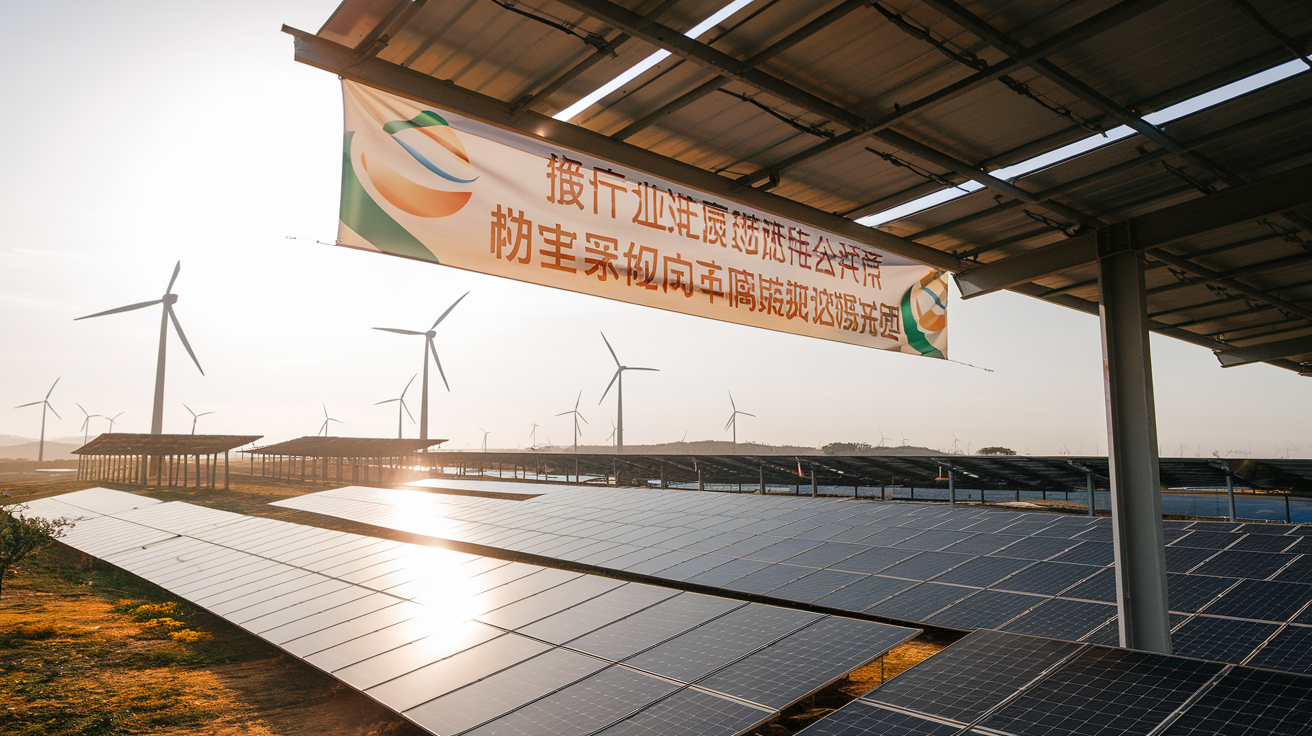
Investments From China in the Northeast Are Billion-Dollar and Promise to Generate Thousands of Jobs. Understand How the Asian Giant Can Impact Brazil’s Economy!
The Brazilian Northeast is undergoing a historic transformation thanks to investments from China, which already total more than R$ 100 billion. With billion-dollar projects in renewable energy, green hydrogen, and infrastructure, the Asian giant is generating thousands of jobs and positioning the region as a key player on the global stage. Understand how this strategic partnership can redefine Brazil’s economic future and elevate the Northeast to a new level of development.
Better Understand the Relationship Between China and the Northeast
Since 2001, when China accounted for only 3% of Brazil’s exports, the relationship between the two countries has intensified. Currently, in 2024, China represents 27% of these exports, making it Brazil’s largest trading partner. This closer relationship reflects China’s investment strategy to expand its global influence, especially in resource-rich countries like Brazil.


Chinese companies are leading projects that include the production of clean energy, revitalization of ports, and construction of railways. These efforts consolidate national infrastructure and position China as a leader in the global energy transition.
-
Bolivian Female Construction Workers Form Association to Combat Discrimination and 38% Pay Gap in the Industry

-
Near Amsterdam, residents buy land and discover they must also build streets, manage drainage, handle waste, and grow food on half their plot.
-
Without a mansion, without high investment, and without a traditional classroom, a teacher living in a 22 m² house taught students to build a 9 m² studio apartment with the equivalent of R$10,000.
-
Without her own home and pressured by rent, a 25-year-old bought a small 15-meter boat, gradually renovated the interior by herself, transformed the interior with paint, new flooring, a larger bathroom, and started living on the canals, paying much less per month.


The Northeast is a major reference in renewable energy, particularly in wind and solar energy production. CGN Energy, China’s largest energy company, has invested R$ 5.7 billion in Piauí, installing 65 wind turbines and nearly 1 million solar panels. These projects not only create jobs in the Northeast but also generate 795 MW annually, enough to power thousands of households.
Chinese Investments in the Northeast Go Beyond Clean Energy
Ceará stands out in the production of green hydrogen, the fuel of the future. Companies like MingYang Smart Energy and SPIC are building offshore wind and solar plants to ensure clean energy for the separation of hydrogen and oxygen. Meanwhile, State Grid has invested R$ 30 billion in transmission lines to distribute this renewable energy.
However, Chinese investments in the Northeast go beyond energy. In Bahia, the Chinese company BYD, the world’s largest electric vehicle manufacturer, has invested R$ 5.5 billion to expand its production of electric and hybrid vehicles, generating 5,000 jobs.
Still in the state, Stil Group plans to build an integrated industrial park, including a steel mill and a cement factory that will produce 5 million tons per year, in addition to revitalizing the Port of Aratu.
In the transport sector, the Northeast will also receive R$ 1 billion for Piauí to upgrade railways, facilitating the transportation of goods. In Paraíba, China has partnered to create the Space Science Center, while in Rio Grande do Norte, the focus is on modernizing family agriculture with advanced techniques.
Partnerships Between China and the Northeast
China’s investments in the Northeast generate jobs and economic development that strengthen Brazil’s position on the global stage. For China, these partnerships are strategic as they enhance its geopolitical influence and strengthen its leadership in the energy transition.
The Northeast, with its immense potential in clean energy and natural resources, is a key piece on this global chessboard. This bilateral cooperation is an example of how the country can benefit from strategic partnerships to boost its growth.
Other noteworthy Chinese investments in Brazil are linked to the megaproject of the Transoceanic Railway, a railway spanning 17,000 km that will cost over $400 billion. This undertaking will further unite the countries and aims to redefine negotiation dynamics and trade routes between South American and Asian countries.








-

1 person reacted to this.