






 Portuguese
  Spanish


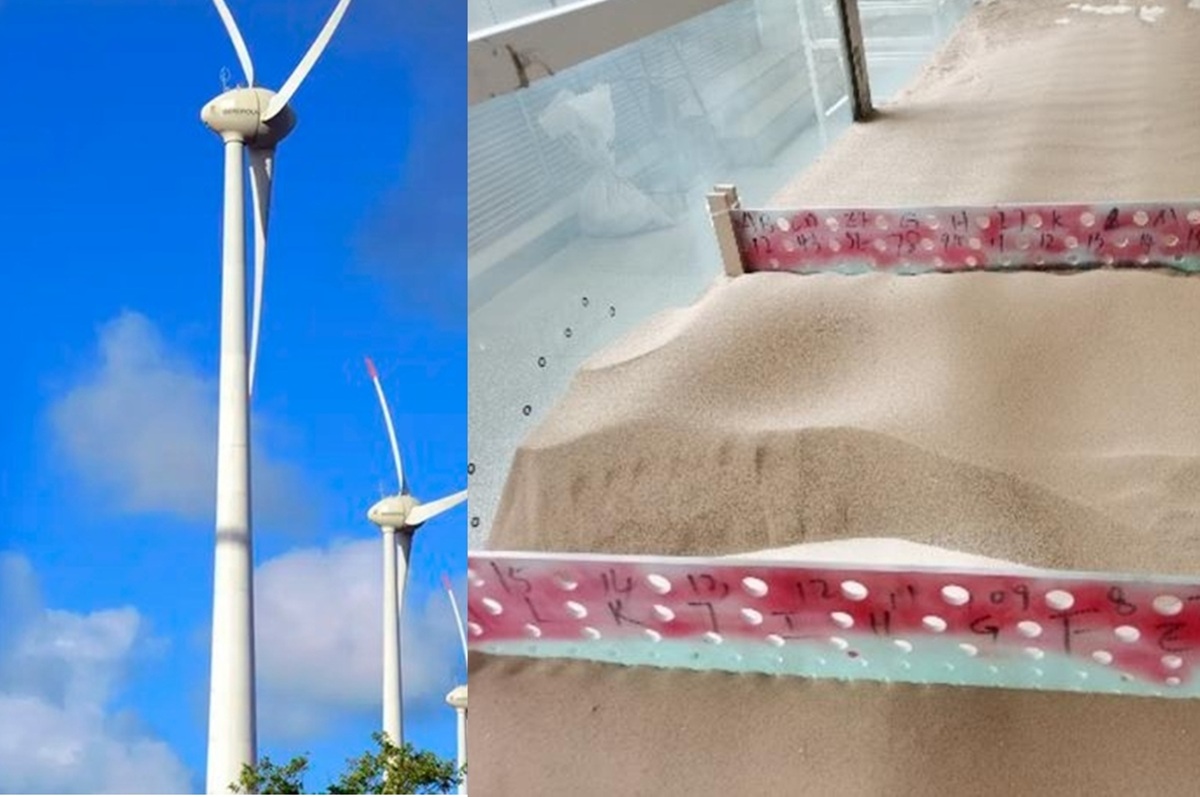

Researchers at the Chinese Academy of Sciences have found a creative solution to two urgent challenges: the disposal of retired wind turbine blades and the advance of desertification in arid regions of the country. The giant blades, which will reach the end of their useful life starting in 2025, are being transformed into sand barriers that are much more resistant than conventional materials, capable of withstanding intense radiation, extreme heat, and the constant abrasion of the desert.
Chinese researchers have developed an ingenious solution to two problems that are growing in parallel: the disposal of retired wind turbine blades and the expansion of desertification in the western part of the country.
The proposal transforms waste from the clean energy industry into resilient barriers against the spreading of sand in arid regions.
Recycling Blades into Sand Barriers
The project is led by the Gobi Desert Ecology and Environment Research Station, part of the Northwest Institute of Eco-Environment and Resources, under the Chinese Academy of Sciences. The idea arose precisely from the geographic coincidence: many wind farms are located on the edges of deserts, where the impact of sand is constant.
-
Brazil filled the Northeast with wind turbines but now faces the side effect of 705 giant blades reaching the end of their lifespan by 2032 just in Rio Grande do Norte, while the world projects 43 million tons of waste by 2050.

-
Brazil has filled the Northeast with wind turbines, but now it faces the side effect of 705 giant blades reaching the end of their useful life by 2032 just in Rio Grande do Norte, while the world projects 43 million tons of waste by 2050.
-
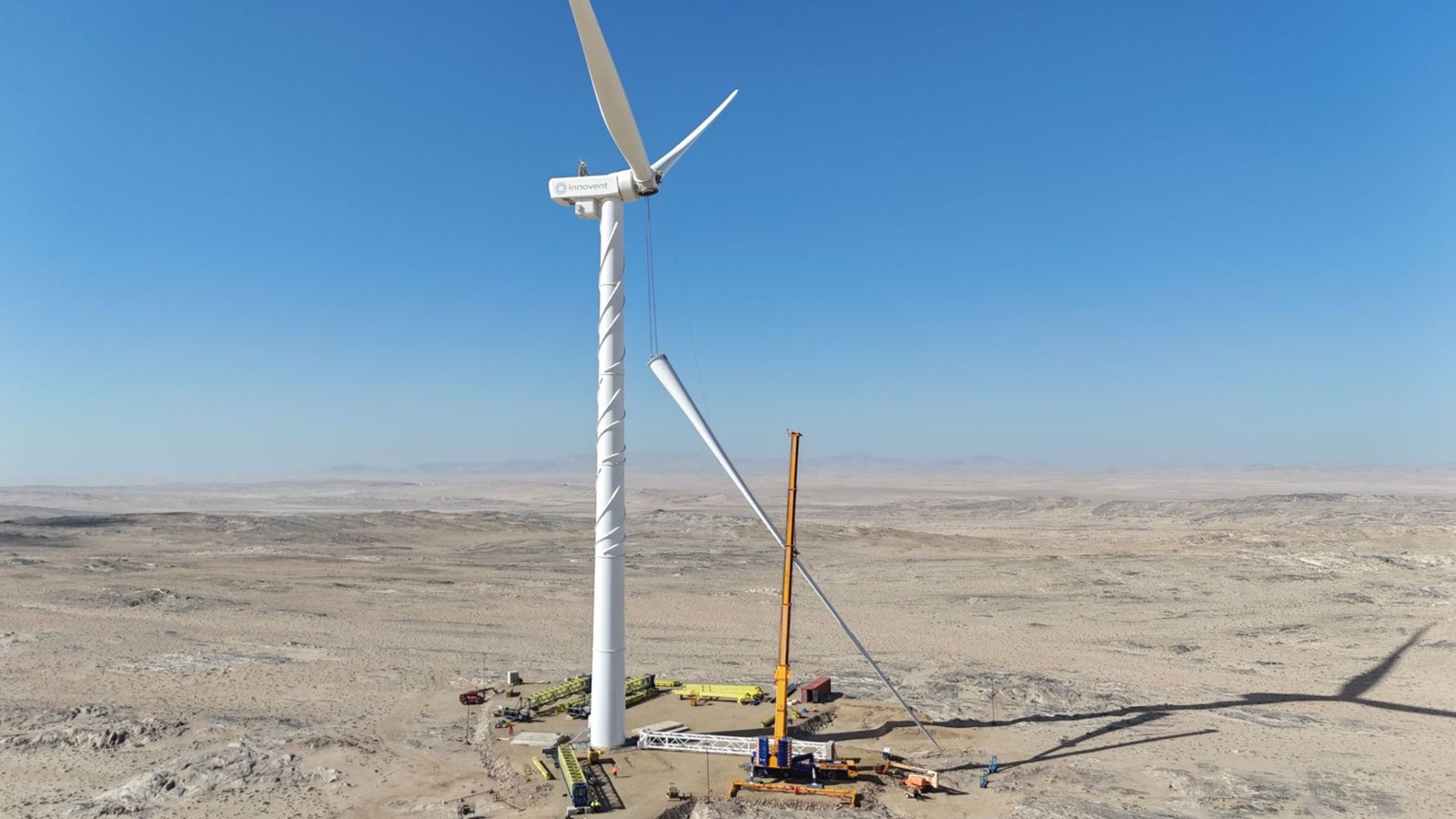
Wind farm in Namibia will have wind turbines assembled without giant cranes and is expected to avoid 200,000 tons of carbon dioxide per year when it becomes operational.

-
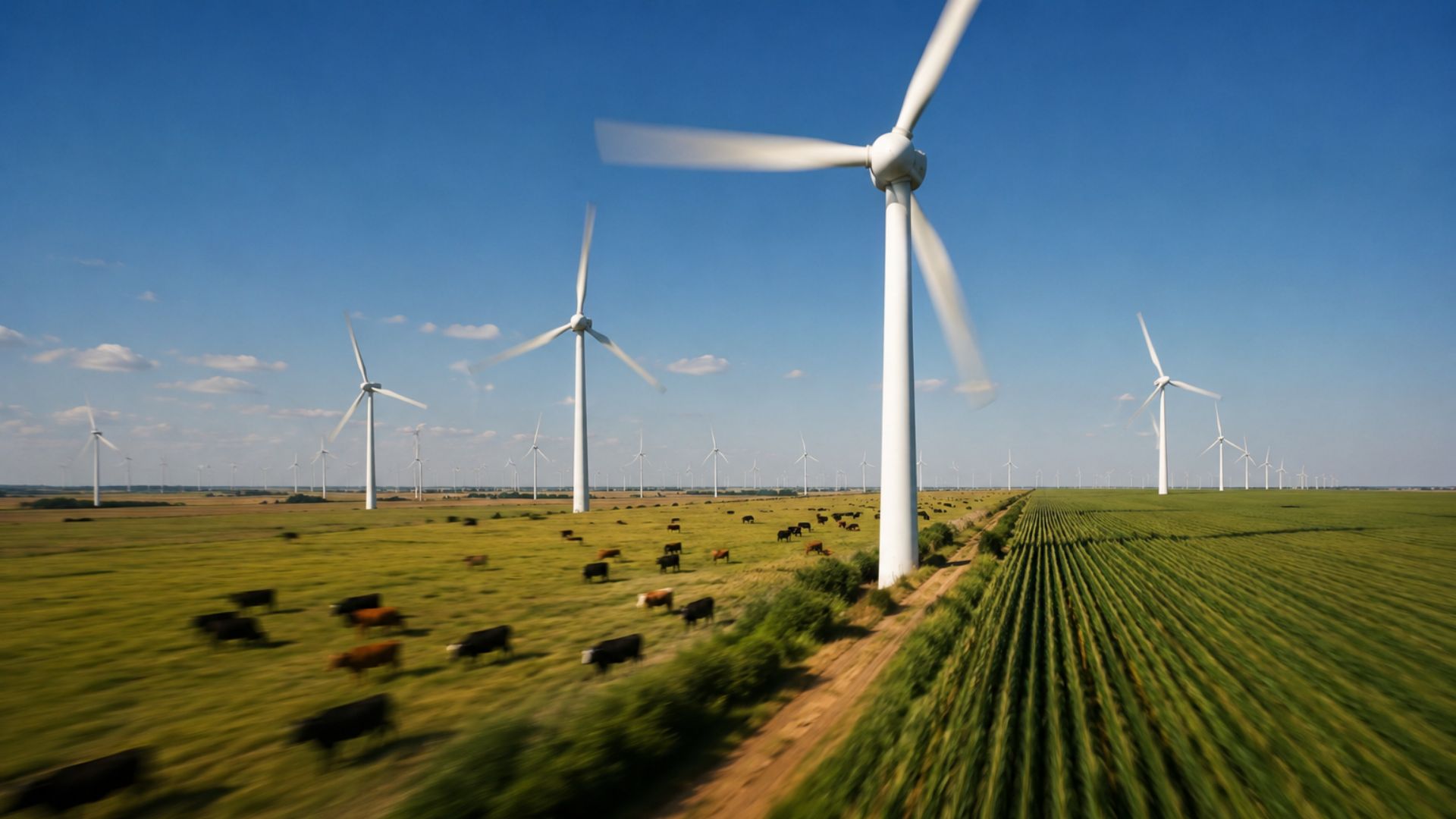
Taller than the Statue of Liberty, thousands of wind turbines are being planted in the middle of U.S. fields, creating two-story farms where corn and soybeans grow below while the wind turns into electricity above.


With turbines installed in the early 2000s approaching the end of their useful life, estimated to be between 20 and 25 years, the team saw an opportunity.
Instead of treating the blades as industrial waste, they decided to reuse them as porous barriers, cut and perforated to control the flow of winds and reduce sand transport.
According to the project leader, Liu Benli, the solution grew out of a long-term study on sand evolution and material control applications.
He also emphasized that the proposal connects with the need for the energy industry to deal with large volumes of waste.
Stronger and More Durable Than Traditional Alternatives
The tests conducted showed that barriers made from recycled blades are up to 14 times more resistant than those made of wood composite. Additionally, they withstand ultraviolet radiation, high temperatures, and abrasion caused by constant contact with sand.
Unlike conventional barriers made of straw or reeds, which deteriorate quickly, the material made from turbines can endure for long periods under extreme conditions. This ensures greater stability for communities battling the recurring damage from sandstorms.
Liu explained that experiments in wind tunnels and computer simulations confirmed the effectiveness of the structure. Studies indicate that the material can alter flow patterns, reducing the amount of sand transported across the surface.
Dunhuang as a Practical Example
One of the most critical cases is the city of Dunhuang, in Gansu. Situated on the edge of the Kumtag Desert, the region experiences sandstorms that threaten its fragile oases and even cultural heritage sites like the Mogao Caves.
Since the oases cover only 4.5% of the municipal territory, defending against desertification has become essential.
In this scenario, conventional materials no longer met the needs. The arrival of retired blades coincided with the demand for alternatives.
A local clean energy company approached the researchers to offer used blades. The team processed the pieces, transforming them into barriers adaptable to the harsh environment.
Impact on China’s Energy Planning
The project also aligns with the country’s energy schedule. By the end of the 14th Five-Year Plan (2021-2025), it is estimated that 1.2 million kilowatts of wind turbines will have exceeded 20 years of use. In the next cycle, from 2026 to 2030, that number could rise to 10 million kilowatts per year.
This forecasts a significant wave of turbine decommissioning. The proposed technology opens the possibility to locally recycle this volume of blades, reducing waste and creating a sustainable reuse cycle.
According to researcher He Chenchen, the goal is to achieve recycling at the very site of disposal. He highlighted that the solution could be expanded to different desert areas, adapting the design of the barriers according to each region.
A Second Life for Clean Energy
In addition to innovating in environmental control, the initiative demonstrates that renewable energy infrastructure can be integrated with other preservation efforts. The use of retired blades creates a direct link between energy production and the protection of fragile territories.
The team intends to continue field studies, expanding applications in new deserts and testing improvements. The research, published in the journal International Soil and Water Conservation Research, already presents itself as a model for other countries facing similar challenges.
In the end, what once seemed like a problematic waste has transformed into a defense against desertification and, at the same time, an example of circular economy applied to clean energy.


This was a delightful and educational read — thanks for sharing!