






 Portuguese
  Spanish


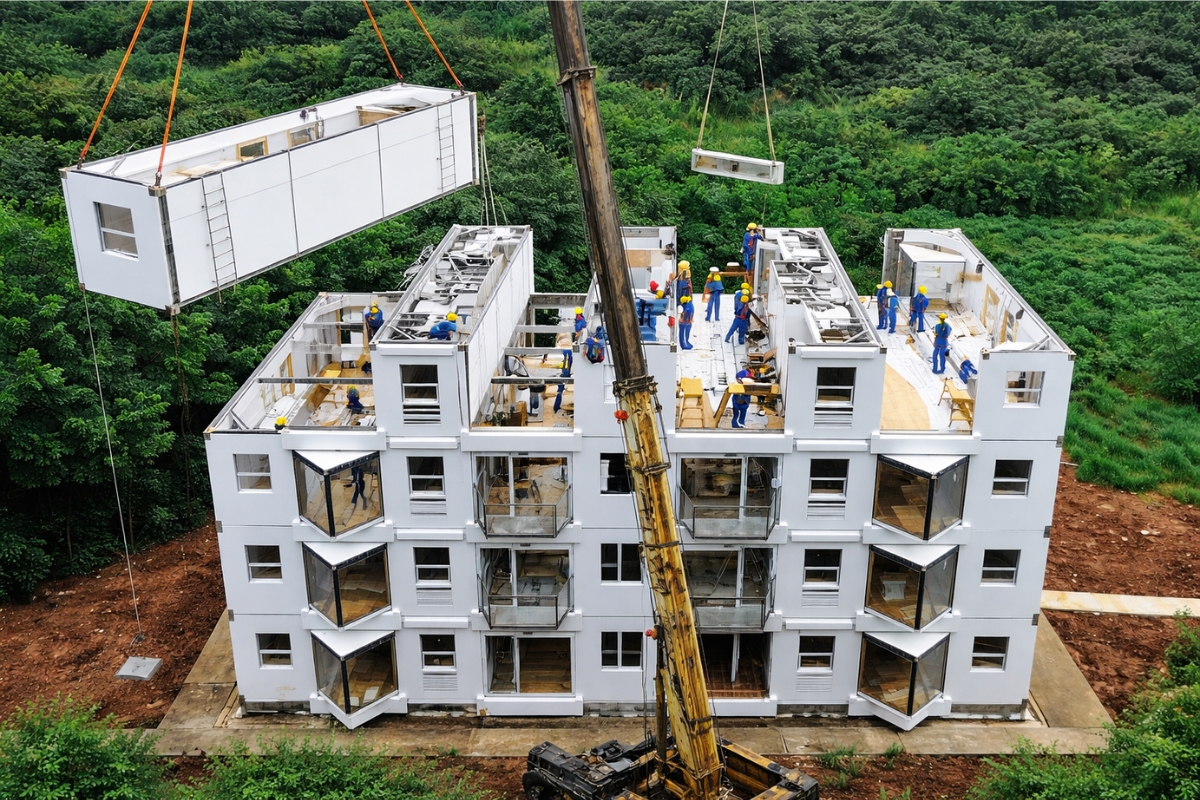


In Changsha, the Broad Group Assembled a 10-Story Residential Building in 28 Hours and 45 Minutes to Speed Up Housing Delivery, Impacting Civil Engineering and Catching Global Attention.
The scene seemed like something out of a movie, but it really happened in China: an entire residential building rose in just over a day, with modules arriving ready and being stacked on site.
The case gained traction in 2021 when the company released a time-lapse video showing the complete assembly and claiming it was the shortest construction period for a building of this size.
The contrast is direct: while conventional constructions take months, there the focus was on fitting, bolting, and connections, applying an industrial production rhythm to civil construction.
-
A newly opened terminal in the middle of the Amazon has begun transporting soy and corn through Amapá, eyeing the queue of ships that is congesting the ports in the South.

-
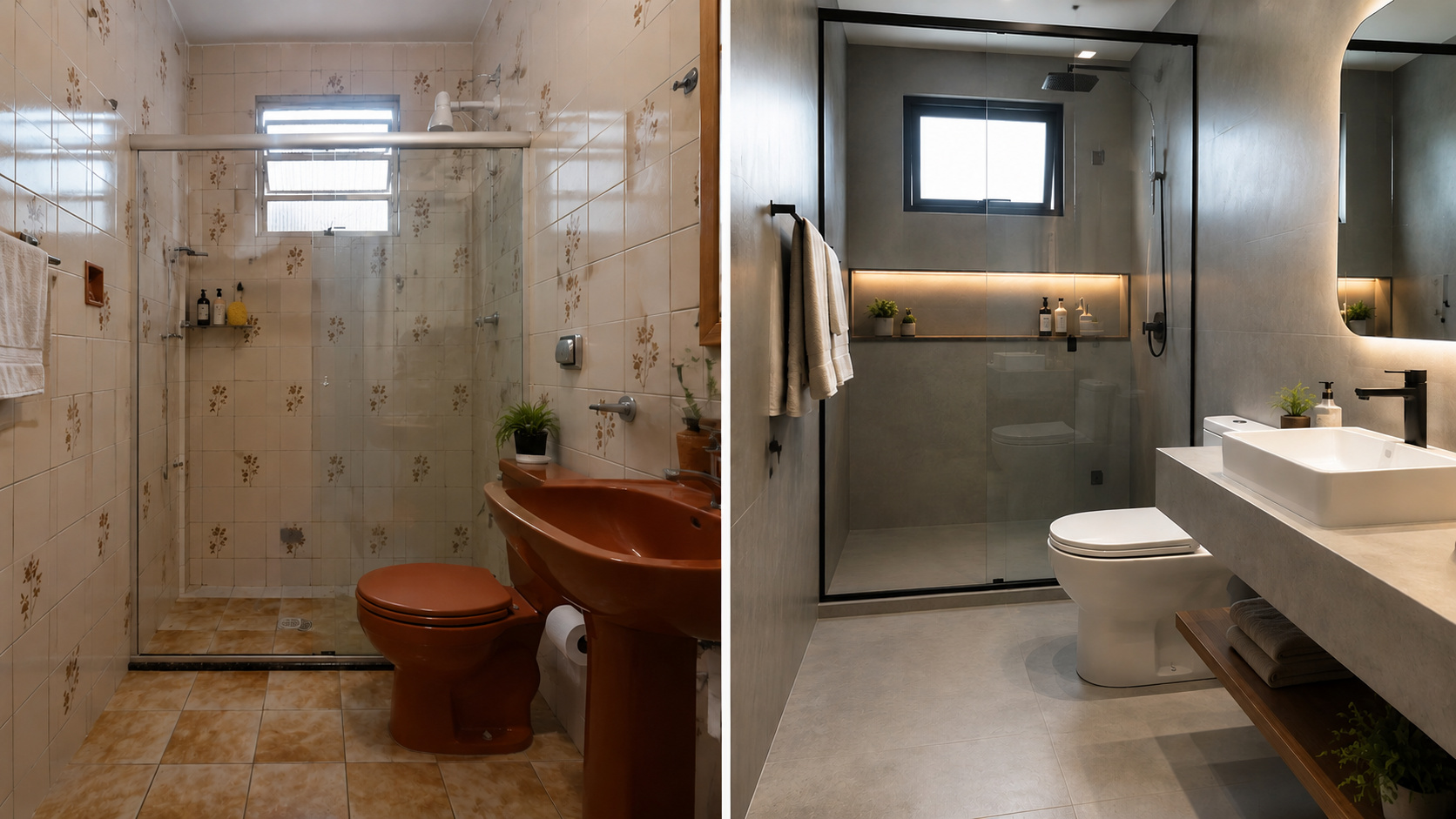
Goodbye to old tiles: renovation technique without construction transforms bathrooms in a few hours, eliminates debris, and reduces costs with coverings using special paints, high-resistance adhesives, and modern finishes that completely renew the space.

-
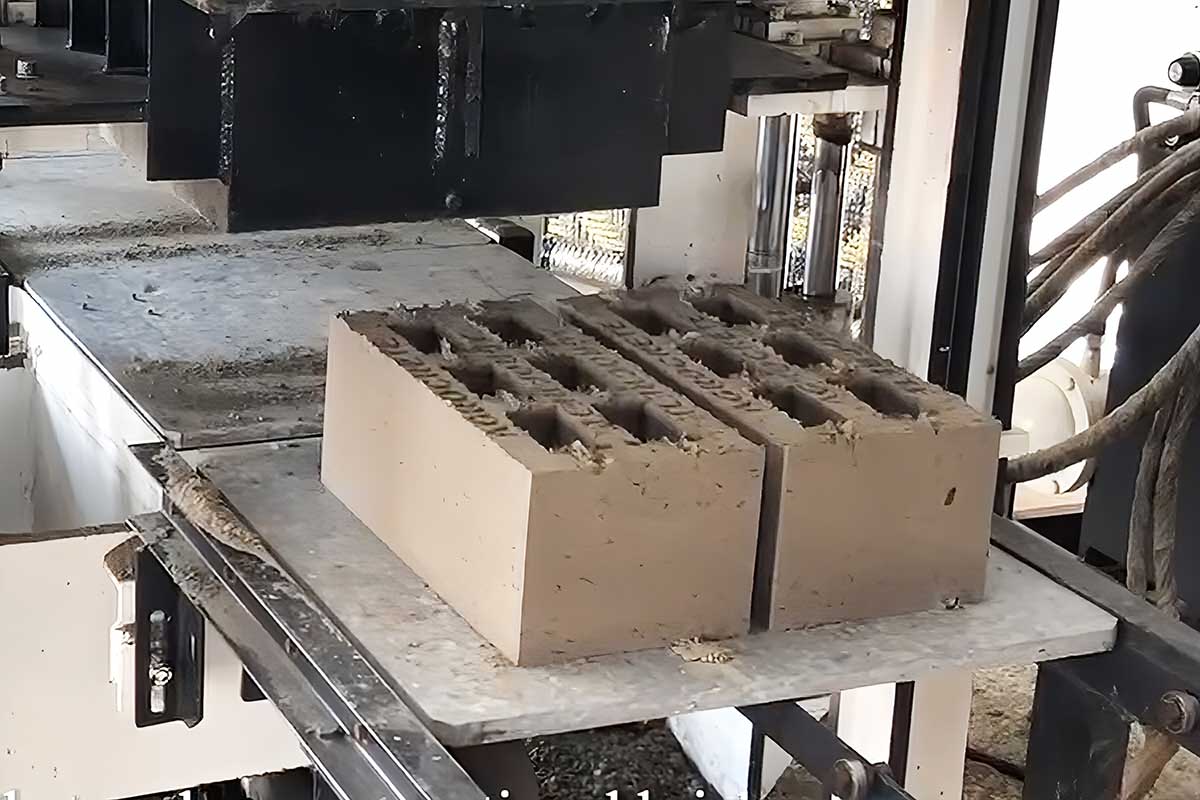
Goodbye to the traditional clay brick: Indian startup transforms burnt straw into a carbon-negative brick that costs half, insulates better, and even removes CO2 from the air.

-
A Japanese governor single-handedly stalled the construction of the world’s fastest train for nine years, and only now has he agreed to allow a tunnel excavated at a depth of 1,400 meters.


What Happened in Changsha and Why the Assembly Became News
The building was assembled in Changsha, China, by the Broad Group, using an industrialized modular system called Living Building.
The information was released by constructiondigital, a news site for the construction industry.
The project shown is a residential block made of stainless steel, formed by modules that arrive practically ready from the factory and are assembled on site.
The company presented the result as something outside the industry’s standard, precisely because of the speed and the degree of industrialization applied to the site.


How the Modular System Worked in Practice On-Site
The logic of the Living Building is plug and play: the modules come off the production line with a stainless steel structure, internal installations, and part of the finishing already completed.
Each unit arrives with wiring, ducts, and pipes pre-installed. On-site, the main work is positioning, bolting, and connecting water and power.
In the official video, three cranes operate in a coordinated manner, and a large team of workers is shown stacking and securing the units until the 10 levels are completed.
Module Dimensions and What They Reveal About Logistics
The modules have standard container dimensions, measuring about 12.2 m in length, 2.44 m in width, and 3 m in height.
This detail reduces logistical complexity, allowing transport by truck or ship without the need for special arrangements, as the size follows a widely used standard.
On-site, elements that arrive folded, such as floors, balconies, and windows, are opened to complete the usable space, speeding up progress per floor.

Stainless Steel Structure, B CORE Technology, and Promise of Earthquake Resistance
The structure uses stainless steel and a B CORE type slab system, described as a sandwich panel with two sheets joined by multiple tubes, produced in special furnaces at high temperatures.
The combination is presented as high rigidity with low weight, good corrosion resistance, and high ductility, meaning greater capacity for deformation without collapse in seismic events.
Documents from the company indicate that the group’s modular steel buildings are certified to withstand earthquakes of magnitude 9, based on lightweight structure, ductile connections, and dissipation details.
Another point highlighted is corrosion: stainless steel would reduce corrosion by more than 30 times compared to carbon steel, directly impacting lifespan and maintenance needs.
Energy Efficiency, Waste Reduction, and the Contrast with Traditional Construction
In energy performance, Broad claims that its buildings can be up to 5 times more efficient, citing better thermal and acoustic insulation, less air leakage, and standardized components that reduce thermal bridges.
In environmental and operational aspects, the company emphasizes that the system is 100% recyclable in steel, generates less than 1% waste during construction, and allows layout, balcony, and height adaptations even after it has been built.
In comparison to traditional construction, the central promise is speed with deadline predictability and quality control in the factory, reducing the impact of weather, rework, on-site errors, and idle time.
There is also an effect on work safety, as it reduces complex tasks at height and keeps the site cleaner, with fewer improvised steps.

Limits of the Number 28 Hours, Real Challenges, and What May Come Next
Experts remind us that the 28 hours and 45 minutes refer to the assembly phase on-site. Before that, design, manufacturing, testing, and logistics had already been done for weeks or months.
There are still concerns about durability in the very long term, real behavior in fires, compatibility with seismic standards of different countries, and market acceptance.
There is also the practical barrier of transport and lifting in dense cities or with deficient infrastructure, as moving dozens of modules that are 12 meters long can be difficult on narrow roads and congested areas.
Even with these limits, the modular logic has already been applied in larger structures, such as the Jindu Tower of 26 stories assembled in five days, and the company maintains that the concept could reach skyscrapers of around 200 stories, integrating B CORE modules into high-rise projects.
In the global scenario of housing shortage, climate crisis, and the need for rapid reconstruction after disasters, what seemed impossible is gaining ground: building faster, with durable material and detailed logistical planning, to change the pace of civil engineering.


