Portuguese
  Spanish




The SNEC PV & ES LATAM, Latin American Version of the World’s Largest Solar Energy Fair, Will Be Held in São Paulo in 2026, Bringing Together Manufacturers, Investors, and Experts to Drive Innovation and Business in the Sector.
For the first time outside of China, the SNEC PV & ES LATAM arrives in Brazil as a symbol of the expansion of the Chinese solar energy industry in Latin America. The event, which will bring together storage technologies and solutions in electromobility, will take place from March 24 to 26, 2026, at the Anhembi District in São Paulo.
Organized by NürnbergMesse Brasil and Oakstream, the fair promises to attract around 10 thousand visitors and 100 exhibitors. Solar panel manufacturers, batteries, inverters, and electric mobility companies will have the opportunity to showcase innovations, close deals, and discuss the future of global energy transition.
Opportunities for the Brazilian Market and New Partnerships
According to João Paulo Picolo, CEO of NürnbergMesse Brasil, the event will create a conducive environment for live demonstrations, technical knowledge exchange, and direct interaction with the market. He emphasizes that the fair will allow for increased visibility of new solutions, as well as attracting investments and funding aimed at innovation in the photovoltaic sector.
-
More than 1,000 residents of a remote island in Kiribati now have clean water and electricity with solar systems operated by the community itself.

-
Island in Brazil Innovates by Installing 184 Solar Panels on Urban Lagoon to Generate Clean Energy
-
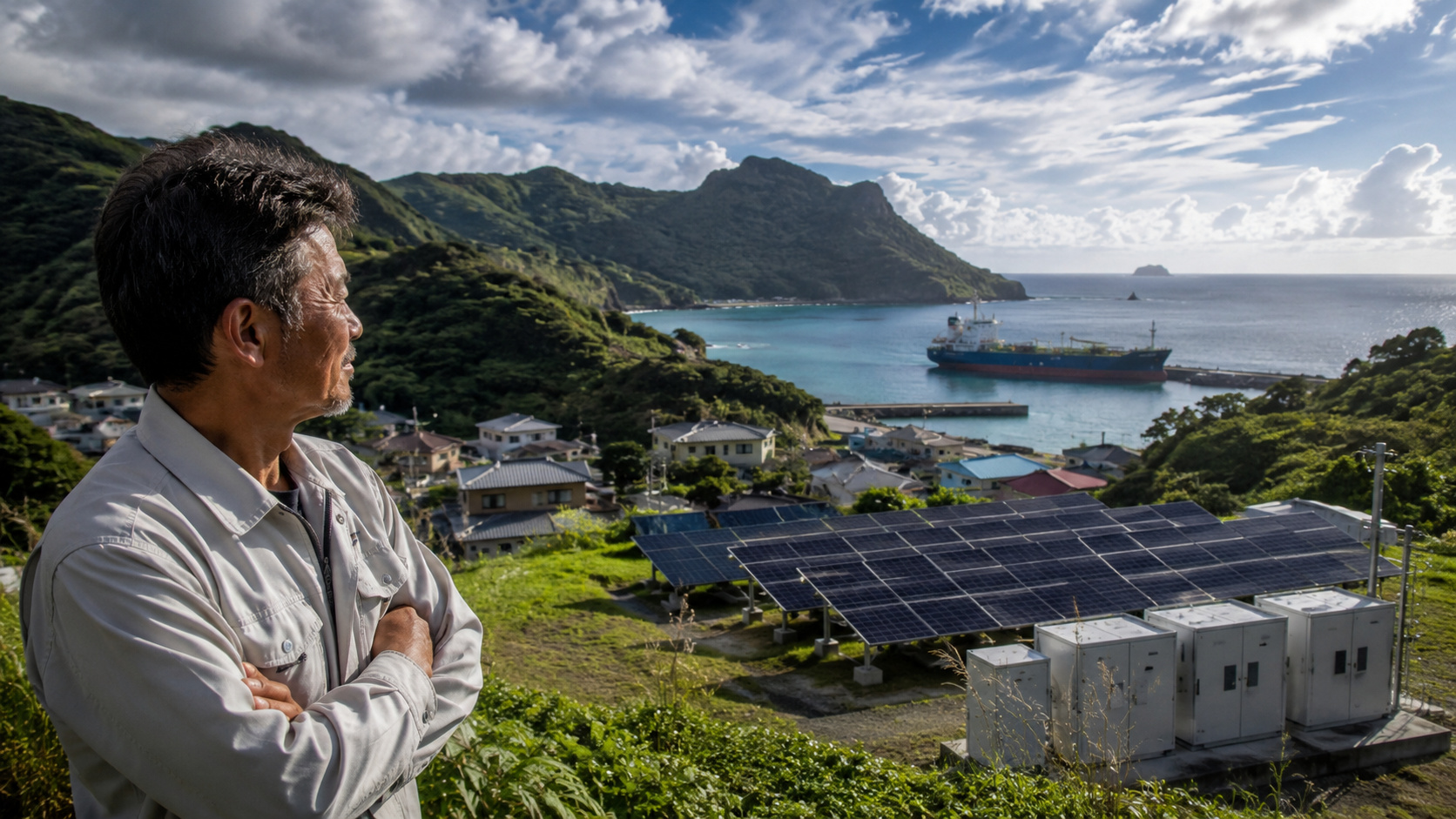
Japanese Island of 417 Residents to Test Living Half the Year Solely on Solar Power, Reducing Dependence on Diesel Brought by Ship
-
Brazilian Fishermen Use Solar Power to Produce Nearly One Ton of Ice Daily, Preventing Fish Spoilage Before Reaching Market



Picolo points out that this connection between manufacturers and investors can accelerate approval processes and technological adaptation, strengthening the presence of foreign companies in the national market.
For Sergio R Carvalho, CEO of Oakstream, the meeting will serve as a bridge between Chinese manufacturers and Brazilian companies, creating new possibilities for commercial representation, distribution, and joint ventures. According to him, “direct interaction allows national companies to learn about products, clarify technical and commercial questions, while Chinese manufacturers gain a better understanding of local demands.”
Strategic Platform and Regional Innovation Center
The arrival of SNEC in Latin America consolidates Brazil as a strategic hub for solar energy. The expectation is that the fair will generate new contracts, technological partnerships, and knowledge transfer, strengthening the production chain in the region.
Since 2007, the original edition of the event, held in Shanghai, has welcomed hundreds of thousands of visitors and thousands of exhibitors, being recognized as the largest solar fair in the world. Now, the challenge is to replicate this success on Brazilian soil, boosting the local and regional photovoltaic industry.
Accelerated Growth of Solar Energy in Latin America
In recent years, Brazil has established itself as the fourth largest solar energy market in the world, with over 62 GW of installed capacity, according to data from Aneel. In 2024 alone, the country added 18.9 GW, according to research from SolarPower Europe.
Latin America is also emerging as a prominent region, with average growth projections of 12% per year until 2030, according to the International Renewable Energy Agency (Irena). This advancement is linked not only to the increase in solar projects but also to the development of energy storage, green hydrogen, and electric mobility.
With this expanding landscape, the SNEC PV & ES LATAM arrives at a crucial moment to drive sustainable investments and strengthen Brazil’s role in the global energy transition.