





 Portuguese
  English
  Spanish
  3 min of reading
  0 comments



Oil Supply Shock in the Middle East: The Truth Behind Fears of Disruption in the Strait of Hormuz!
The oil market is on high alert. Tensions between Israel and Iran have reached a new level, and the world watches anxiously at the possibility of a significant disruption in oil supply from the Middle East. But is the situation really as alarming as it seems?
Escalation of Tension and Impact on Prices
Recently, oil prices skyrocketed. The reason? Increased tensions between Israel and Iran, which raised fears of a possible disruption in oil supply from the region. The expectation of an Israeli response to the Iranian missile attack has generated speculation about potential targets in Iran’s energy infrastructure.
-
404 km off the coast of Rio de Janeiro, an oil company drilled 5,855 meters into the ocean and discovered the largest oil and gas reserve found in a quarter of a century.

-
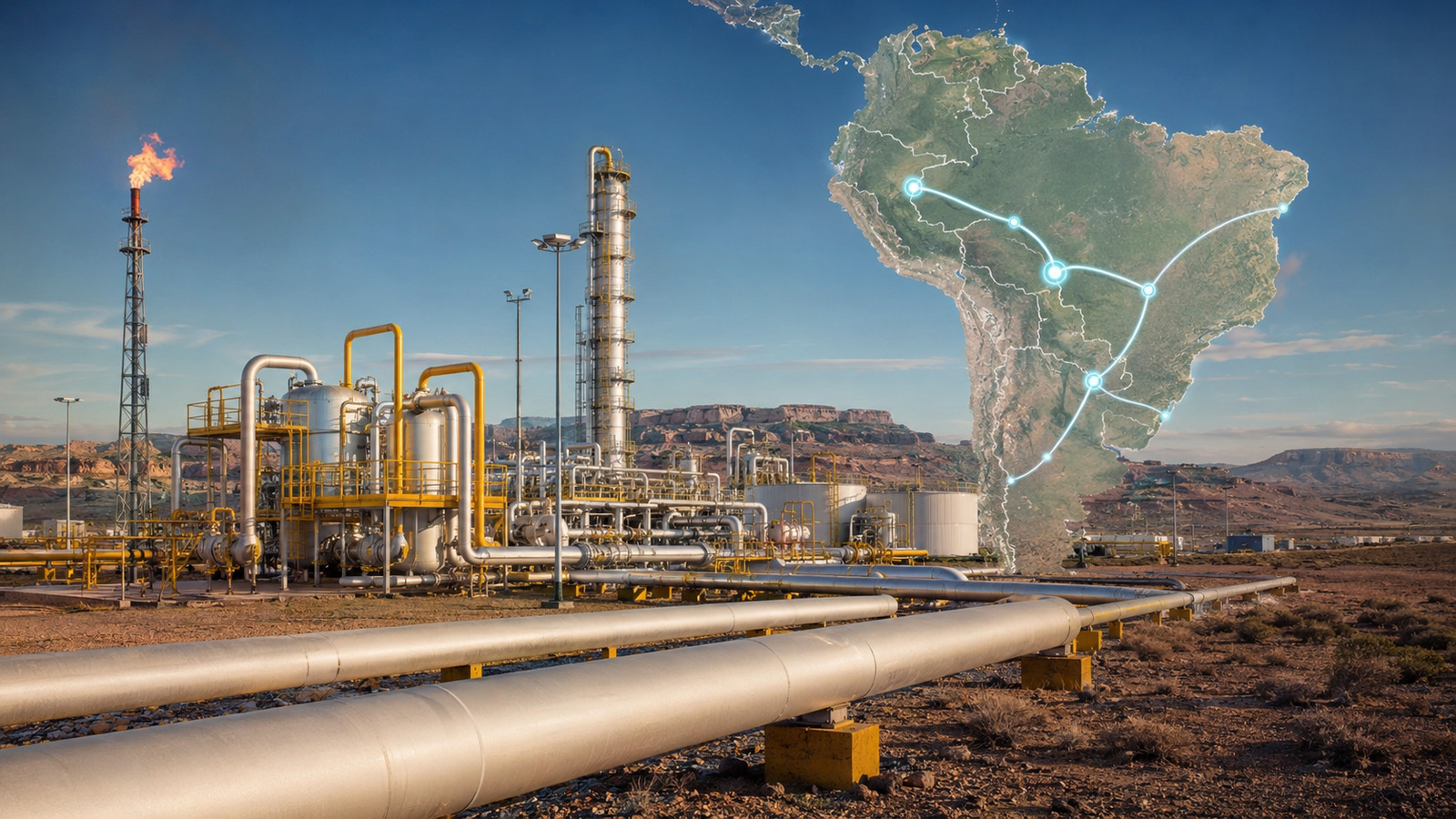
Vaca Muerta can supply gas to Brazil, Chile, Uruguay, Bolivia, and Argentina for up to 124 years, but it requires more than $10 billion in infrastructure to distribute the gas.

-
Criminals dig a secret tunnel to tap into Petrobras pipeline, steal 100,000 liters of fuel and put thousands of people at risk of explosion in the Federal District.

-
Oil surges again after attacks and standoff between the US and Iran increase global tension



Despite the seriousness of the situation, oil prices remained relatively stable after the Hamas attack on Israel in October 2023. This is partly due to OPEC’s ability to adjust production to stabilize the market.
OPEC’s Response Capacity
OPEC, particularly its Middle Eastern members like Saudi Arabia and the United Arab Emirates, has significant excess production capacity. The organization is estimated to be able to increase production by up to 5 million barrels per day (bpd), which would be enough to compensate for any potential supply losses from Iran.
Analysts believe that even if Iranian infrastructure is targeted, OPEC would be able to mitigate the impact. Saudi Arabia, for example, could boost its production by about 3 million bpd, while the United Arab Emirates could add another 1.4 million bpd to the market.
The Strait of Hormuz: A Critical Point
The Strait of Hormuz is one of the most critical points for global oil trade, through which about 20 million bpd pass. The possibility of its closure is seen as a low-probability event but with a high impact. If it occurs, it could trigger a significant increase in oil prices, surpassing previous records.
However, many experts doubt that Iran would actually close the strait, as it would also affect its own exports, a crucial source of international revenue.
Possible Scenarios and Consequences
- If Iranian infrastructure is attacked, the maximum loss for global supply would be about 3.5 million bpd.
- The market is already pricing in the possibility of an Israeli attack, which could push Brent prices above US$ 80 per barrel.
- In the event of conflict escalation, OPEC’s excess capacity could be vulnerable to new attacks.
Citigroup analysts consider an attack on Iran’s main oil export facility, Kharg Island, to be a “low-probability but high-impact” event. This could lead Iran to attempt to disrupt traffic in the Strait of Hormuz, a turning point for the global oil market.
Final Thoughts
Although the current situation is tense, the probability of a catastrophic supply shock remains low. OPEC’s response capacity and the region’s geopolitical complexity suggest that, despite fears, the market may adjust to temporary disruptions. However, the situation continues to evolve, and the world is closely watching every move on the geopolitical chessboard of the Middle East.
What does the future hold for the oil market? Only time will tell, but one thing is certain: vigilance and preparation are essential to face any eventuality.








Be the first to react!