Portuguese
  Spanish


With an Annual Growth of 20%, Real Estate Appreciation of 18% and a Billion-Dollar GDP, Agribusiness City in Mato Grosso Establishes Itself as the Capital of Brazilian Rural Progress.
In the heart of the Midwest, a city that a few decades ago was just a small agricultural district has transformed into one of the most dynamic poles of national agribusiness. Its growth is so rapid that the numbers impress even the most experienced economists: the municipal Gross Domestic Product (GDP) has grown above the Brazilian average for over a decade, the number of inhabitants has doubled in just a few years, and the value per square meter is rising at a rate that rivals metropolitan regions. This city is Sorriso, in northern Mato Grosso, now known as the “National Capital of Agribusiness”.
From Agricultural Village to Economic Powerhouse
Officially founded in 1986, Sorriso emerged from the advancement of agricultural frontiers in the country, driven by government incentives and the expansion of soybeans in the Cerrado of Mato Grosso.
In no time, what was an isolated village surrounded by pastures and crops turned into a modern urban center, with skyscrapers, shopping centers, universities, and one of the largest concentrations of agricultural machinery in the world.
-
Producer receives news and had to cull almost the entire herd, bounced back with the help of compensation, and is now producing 450 liters of milk per day in SC.

-
Quail Eggs Reveal a “Secret Code” on Their Shells Explaining Unique Patterns and Colors

-
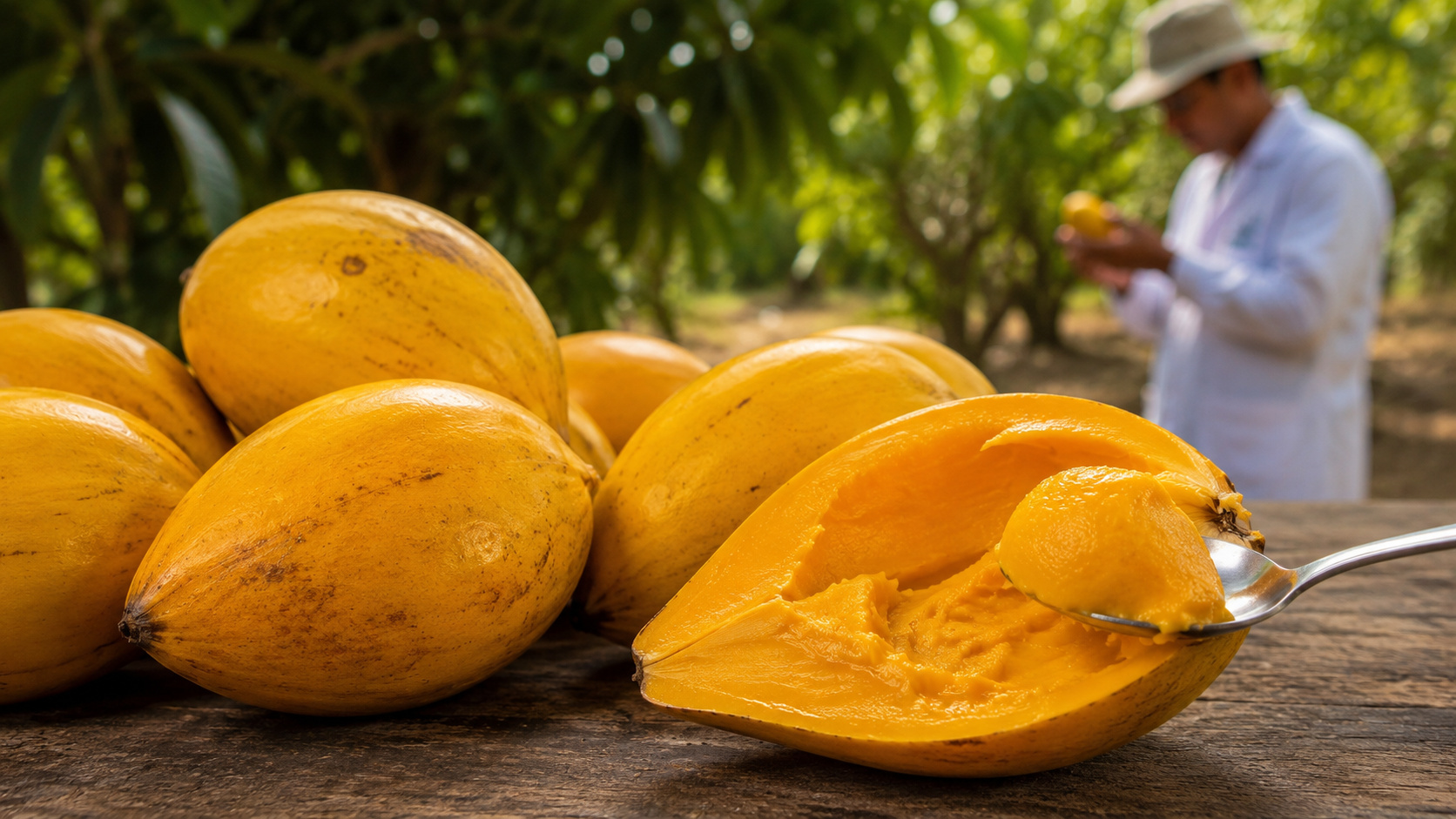
Rare Tropical Fruit Canistel, with Egg Yolk Color and Caramel Flavor, Gains Interest from Researchers and Small Producers in Brazil
-
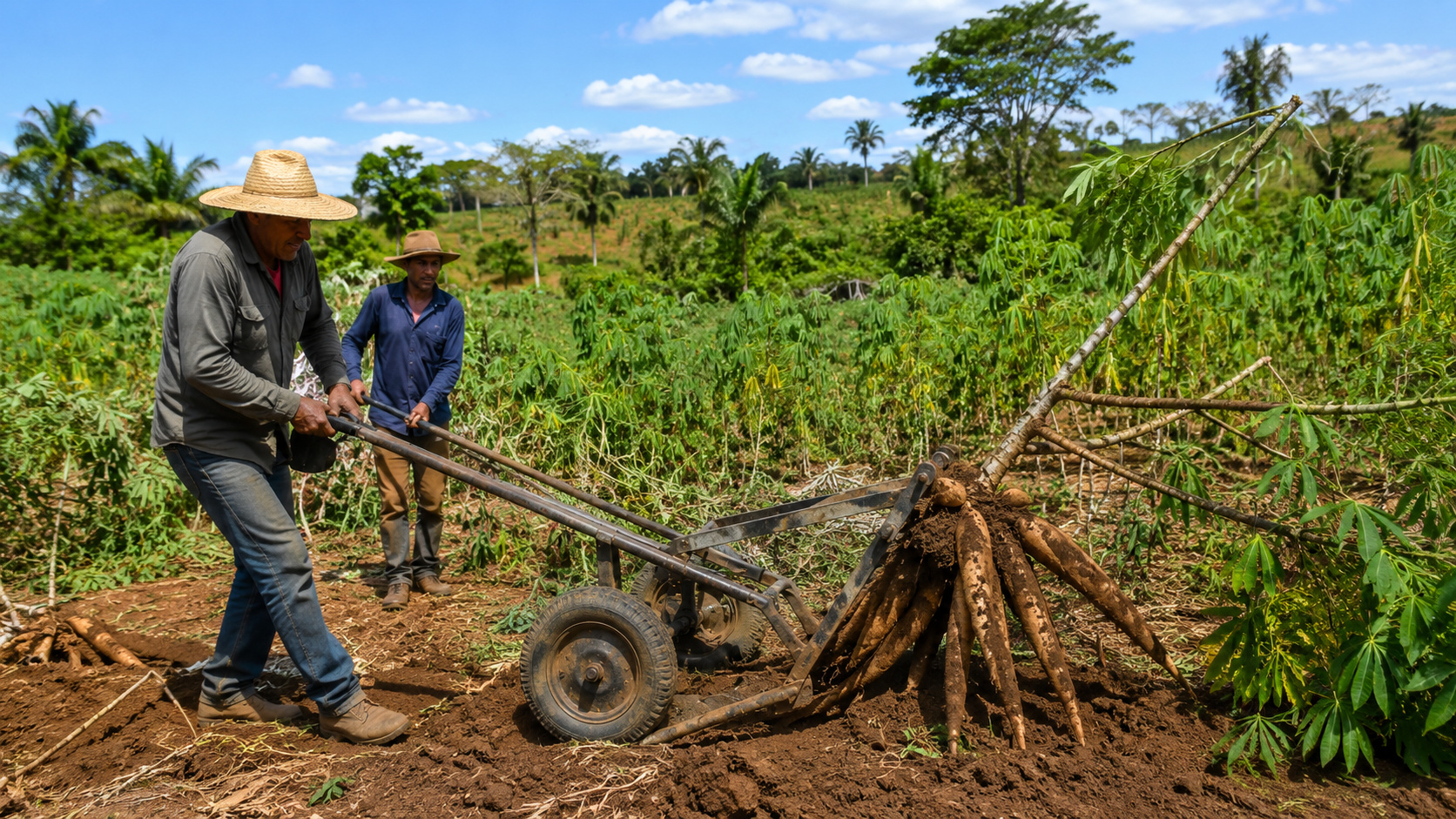
Brazilian Farmers Develop Wheeled Metal Lever to Ease Cassava Harvesting Without Heavy Machinery




Today, the city has over 100,000 inhabitants, according to estimates from IBGE, and grows about 20% per year in population and income. The pace is fueled by agribusiness, which generates thousands of direct and indirect jobs, moves billions of reais per crop, and attracts real estate and industrial investors from all over the country.
The Power of Soybeans and the Economy That Doesn’t Stop
Sorriso leads the national soybean production ranking, with 2.5 million tons harvested per crop, according to the National Supply Company (Conab). In addition, the municipality ranks among the largest exporters of corn, cotton, and beef in Brazil.
The gross value of local agricultural production exceeds R$ 10 billion annually, which is equivalent to the GDP of many small states.
This wealth is reflected in the infrastructure: the highways running through the city are always busy with trucks loaded with grains and fertilizers, and the regional airport is being expanded to accommodate cargo and passenger flights.

Land and Properties That Appreciate with Each Harvest
Agricultural prosperity has driven the local real estate market in unprecedented ways. According to data from the Mato Grosso Real Estate Brokers Association (CRECI-MT), the value of urban and rural land in Sorriso has increased on average 18% per year over the past decade, a rate higher than most Brazilian capitals.
In planned neighborhoods such as Jardim dos Ipês and Portal Kaiabi, the residential square meter already exceeds R$ 5,000, while rural areas designated for agribusiness reach R$ 100,000 per hectare, depending on location and production potential. The combination of high income and quality of life has attracted a new wave of migrants—retirees, entrepreneurs, and investors—seeking opportunities outside the large centers.
Migration, Opportunities, and Challenges
Migration towards Sorriso is a real and growing phenomenon. According to IBGE, over 60% of residents were not born in the municipality, revealing the city’s attraction power. Many came from the South and Southeast, driven by the high cost of living in the capitals and the dream of participating in one of the most profitable sectors in the country.
However, rapid growth has also brought challenges: pressure on sanitation, increasingly heavy traffic, and a growing demand for schools and hospitals.
Nevertheless, the quality of life indices remain among the best in the state, and the per capita income is one of the highest in Brazil, exceeding R$ 75,000 annually, according to data from the Mato Grosso Finance Department (Sefaz-MT).
The Future of the Capital of Brazilian Agribusiness
Sorriso today is a portrait of the new frontier of Brazilian development, a city that thrives without relying on heavy industry, leaning on technology, efficiency, and the field. Autonomous tractors, agricultural drones, internet-connected weather stations, and agrotech startups are part of the local routine, showing that modern agribusiness is much more than planting and harvesting.
The municipality is also preparing for the future with projects for clean energy expansion, paving rural roads, and strengthening logistics through the Midwest Integration Railway (FICO), which will connect the region directly to the ports of the Northern Arc.
The story of Sorriso is that of a Brazil that has learned to grow with its feet on fertile soil and its eyes on the future. From a small agricultural colony to a billion-dollar powerhouse, the municipality symbolizes how the countryside can become the economic engine of a nation.