






 Portuguese
  Spanish


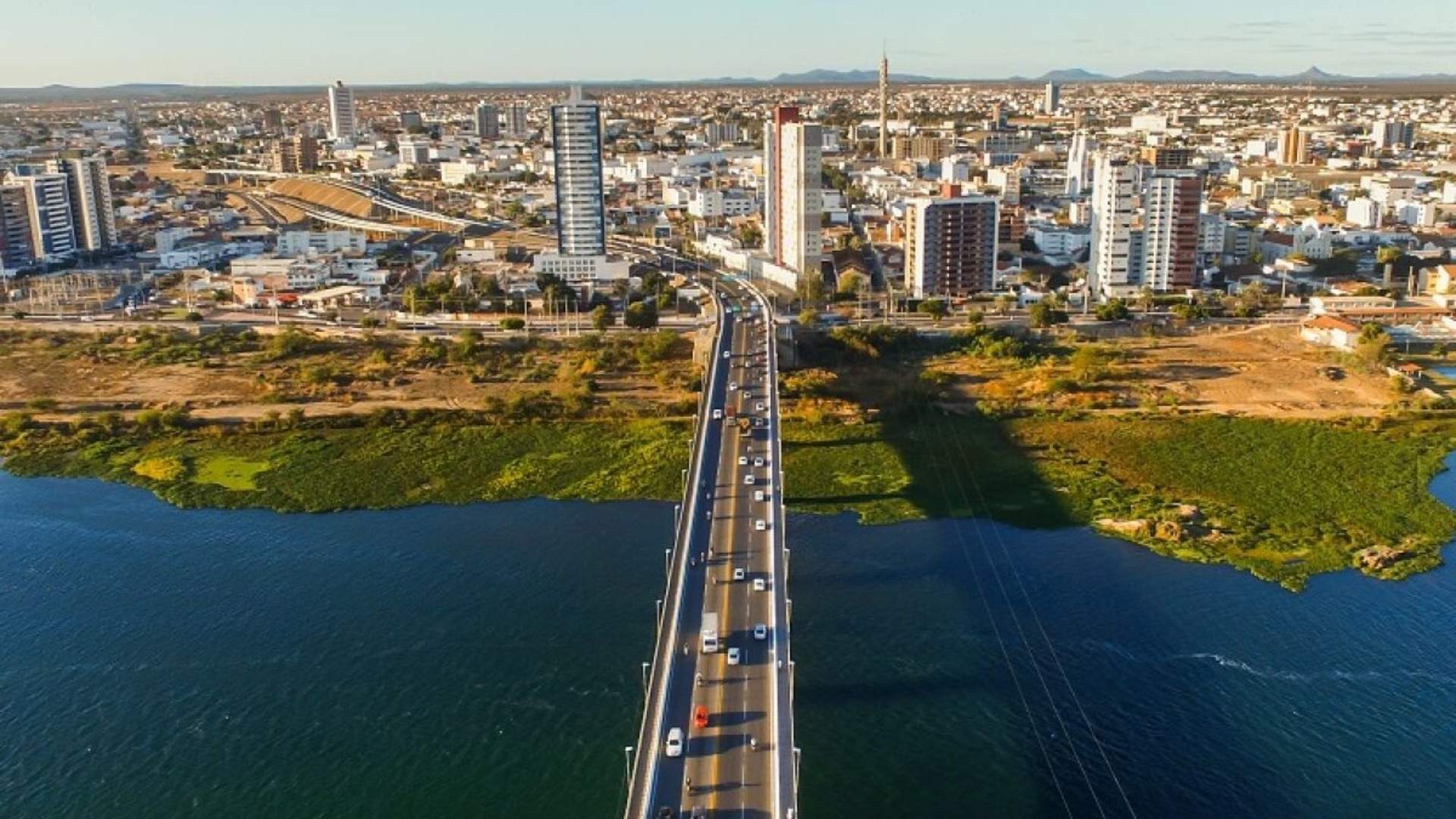


Intense Sun, Structured Irrigation and Fruit Export Place the Municipality of the Pernambuco Backlands at the Center of Debates on Renewable Energy, Agriculture and Economic Diversification, with Impacts on Job Creation, Foreign Trade and Tourist Activities Linked to the São Francisco River.
Petrolina, in the Pernambuco backlands, has consolidated an economic base supported by the high incidence of sun and the use of waters from the São Francisco River.
These factors sustain the expansion of solar energy generation, irrigated fruit cultivation, and activities related to services and tourism, with direct impacts on local income and employment.
Data frequently cited by technical agencies and national reports indicate that the municipality records about 330 sunny days per year, information used as a reference to assess the energy and agricultural potential of the region.
-
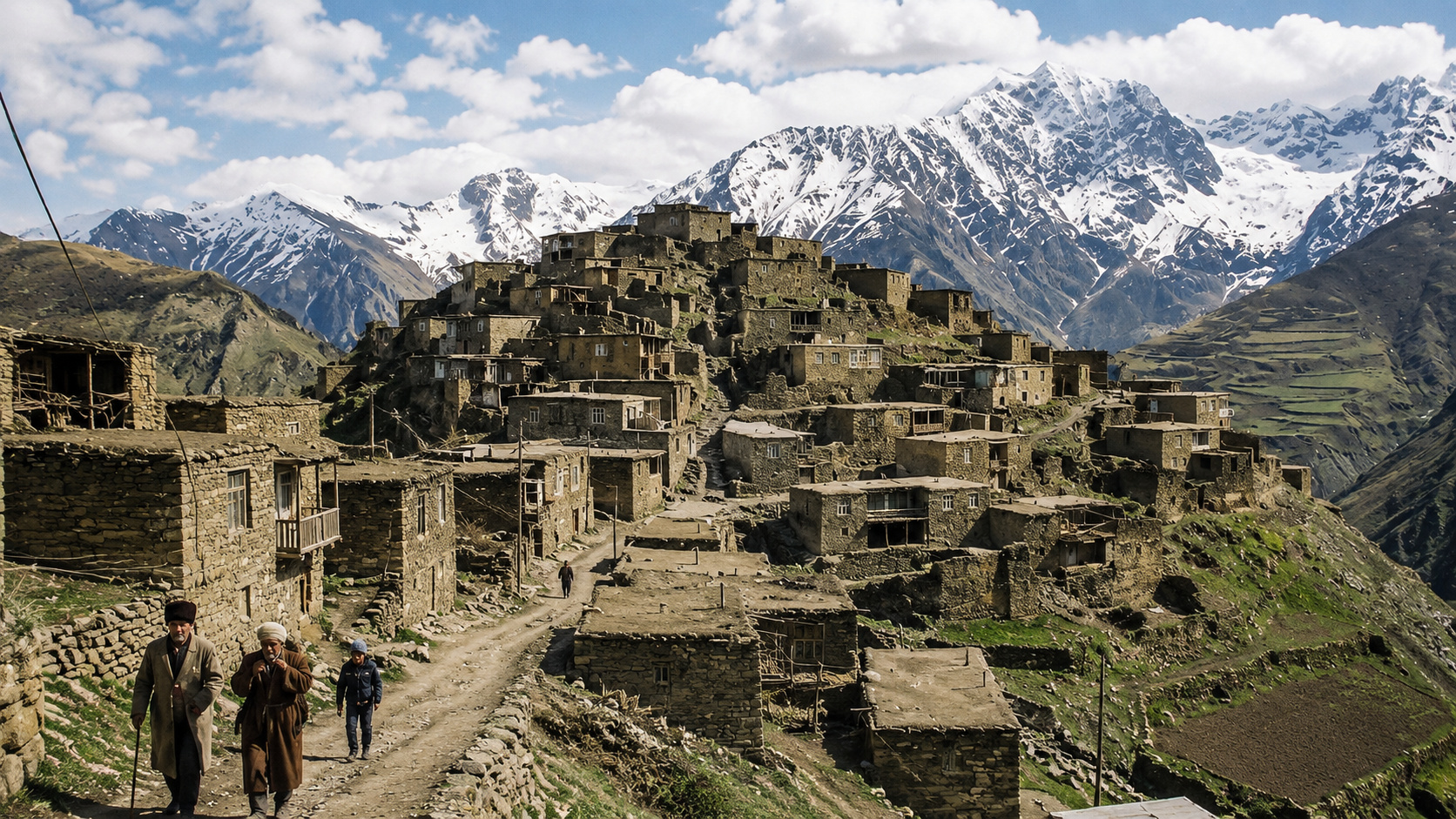
In the Caucasus Mountains, a Community Preserves a Language So Rare Few Outsiders Can Understand It

-
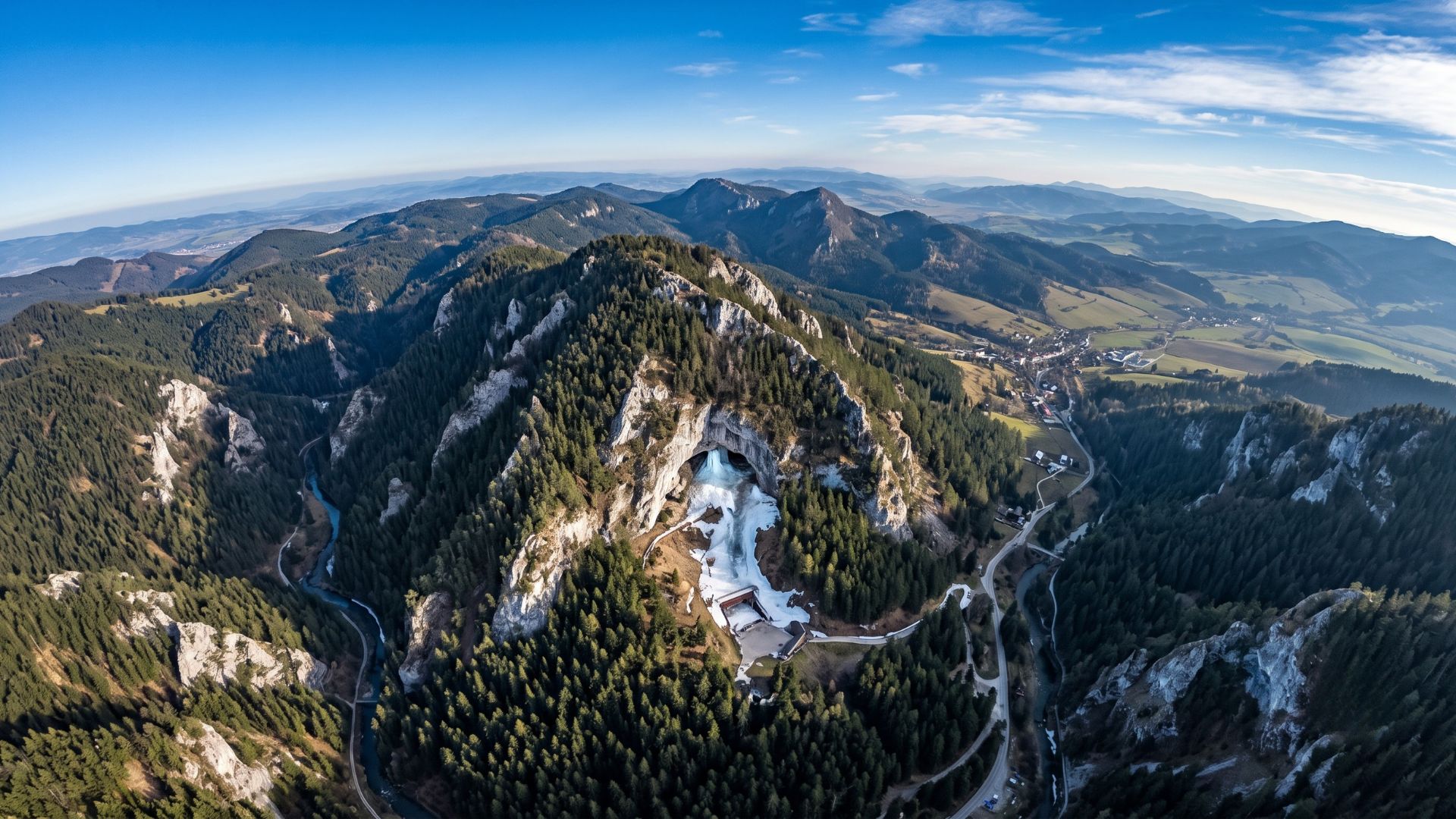
Slovakia’s Ice Cave Holds Over 110,000 m³ of Frozen Wonders, Boasts Walls Up to 27 Meters Thick, and Was Among the First Electrified Caves Globally

-
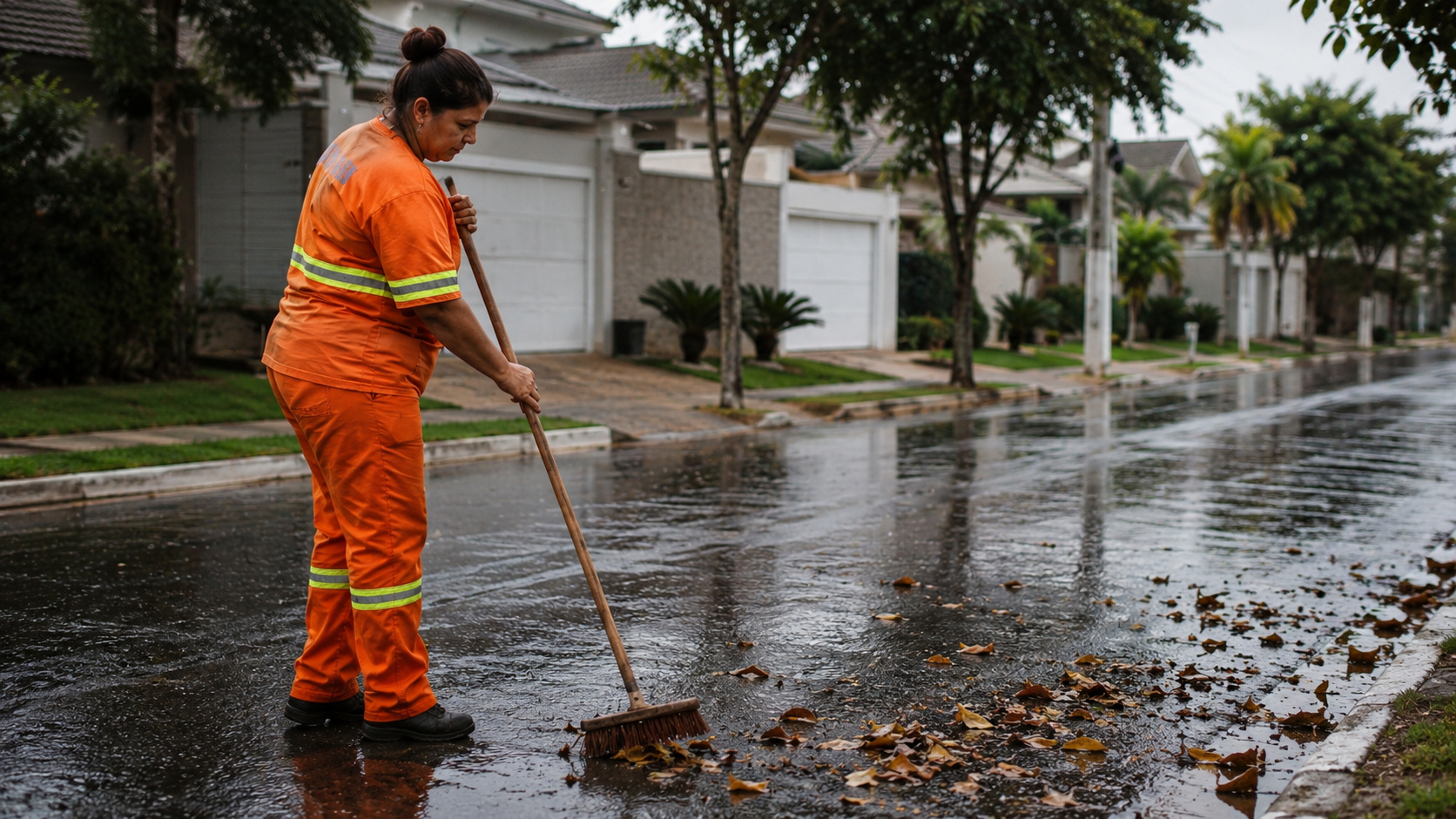
Street Cleaner Accidentally Receives $200,000 Transfer, Returns Unexpected Fortune to Rightful Owner
-
Australian Space Agency Investigates Six Mysterious Metal Spheres Found on Queensland Beach, Isolating Area Over Possible Space Debris Risk


In recent years, the combination of private investments and public policies aimed at the semiarid region has increased Petrolina’s presence in debates on regional development.
Renewable energy projects, agricultural production focused on export, and tourism initiatives have begun to appear repeatedly in economic analyses about the Northeast, especially those related to the São Francisco Valley.
Solar Energy in the Backlands Boosts Projects and Services
The high availability of solar radiation has put Petrolina on the radar of companies interested in photovoltaic generation.
According to technical assessments from the electric sector, regions with this climatic profile tend to present higher efficiency in energy production from the sun, which explains the installation of power plants and distributed systems in the municipality and its surroundings.

In addition to generation itself, the presence of these enterprises has repercussions in related activities, such as engineering, equipment installation, and maintenance.
Representatives from the sector often point out that this type of project requires skilled labor and continuous logistics, which helps to drive the local economy.
Public and private institutions in the city have also adopted solar systems to reduce operational costs, a practice mentioned in reports and institutional communications about energy efficiency.
Despite the visibility of the issue, there is no consolidated public survey, readily available, that exclusively details the installed solar energy capacity in Petrolina, separating large plants from distributed generation.
What is observed, based on sector information, is a growth trend, frequently cited in regional analyses about renewable sources in the Northeast.
Irrigation in the São Francisco Valley Sustains Agricultural Production
While the sun supports energy expansion, irrigated agriculture directly depends on the São Francisco River.
Petrolina is part of the Sub-middle São Francisco, an area where structured irrigation projects since the late 20th century have transformed the productive landscape of the semiarid region.
Among these projects is the Senador Nilo Coelho Irrigated Perimeter, whose implementation began in the 1980s.
Information released by managing agencies indicates that the irrigable area of the perimeter totals 18,667 hectares, with lots occupied by small producers and agricultural companies.
The infrastructure includes canals, pumping stations, and water control systems that allow for regular cultivation even during dry periods.

Managers linked to irrigation districts often highlight that the operation of these projects involves not only technology in the field but also collective water management and constant maintenance of infrastructure.
This organization is seen as fundamental for the stability of agricultural production and for the predictability of harvests throughout the year.
Export of Mango and Grapes Connects the Backlands to Global Markets
With irrigation and technical management, the region has specialized in the production of tropical fruits, especially mango and grapes.
The scheduled harvest and integrated logistics allow for serving both the domestic market and buyers abroad, placing the São Francisco Valley among the main exporting hubs in the country in this segment.
Data released by representatives of the sector indicate that, in 2024, exports of mango and grapes from the region reached about US$ 480 million.
The European Union emerges as the main destination, concentrating most of the purchases of these fruits, while the United States figures among the most relevant markets outside the European continent.
The United Kingdom is also frequently cited among importers.
Information from the Ministry of Agriculture shows that the United States was, in 2023, the second largest importer of mango and grapes from Brazil.
In the following year, there was a reduction in the volumes shipped to that market, a movement attributed by sector representatives to factors such as logistical costs and trade uncertainties.
Import/export specialists emphasize that such fluctuations directly affect the profitability of producers, especially in chains sensitive to transportation time.
Tourism on the São Francisco River Expands Economic Activities

In addition to energy and agriculture, tourism has gained ground in the local economy.
Itineraries associated with the São Francisco River, such as boat trips and visits to natural landscapes, appear in promotional materials and reports on economic alternatives in the semiarid region.
According to public managers and agents from the tourism sector, these activities help to diversify the economy and extend visitors’ stays in the region.
The municipality is also mentioned in initiatives for ecotourism and cultural tourism, which associate the experience on the river with knowledge about the caatinga biome and the history of the São Francisco Valley.
However, there is no consolidated public data that accurately indicates the annual number of tourists in Petrolina or the direct economic impact of the sector.
The lack of these statistics limits more detailed analyses of tourism’s weight in the local economy, although the segment is often cited as complementary to agricultural and energy activities.
Based on climatic factors, irrigation infrastructure, and insertion into the international fruit trade, Petrolina brings together characteristics cited by technicians and managers as relevant for the development of the semiarid; the question that remains under discussion is how investments in logistics, water management, and professional qualification will influence the sustainability of this model in the coming years?


