






 Portuguese
  Spanish
 3 min of reading
  0 comments



The Sustainable Urban Revolution
In a world of constant technological evolution, smart cities emerge as pillars of efficiency, sustainability, and innovation, significantly shaping the quality of life for people and future generations. The concept of Smart Cities, although not new, stands out amidst advancements that capture the attention of global companies and governments. According to studies by Tecnavio, a British technology consultancy, this market is expected to reach an impressive revenue of US$2.1 trillion by 2024, with a trend of continuous growth.
The Global and National Landscape of Smart Cities
The report “IESE Cities in Motion Index” from the Business School of Navarra, Spain, which assessed over 183 cities around the world, ranks London at the top of the list of the smartest cities on the planet. In Latin America, Santiago, Chile stands out in 75th place. Although there are currently no Brazilian representatives in the top 100, Brazil already shows success stories like São José dos Campos and Pindamonhangaba, as well as the capitals Florianópolis and Curitiba, which excel in terms of energy, mobility, health, and safety.
The Growing Demand for Energy and IT Infrastructure
With the advancement of Smart Cities, the demand for energy and IT infrastructure becomes increasingly urgent. AIoT (Artificial Intelligence of Things) solutions and Generative AI are revolutionizing processes, increasing efficiency and the need for energy consumption. Innovations such as the use of AI for consumer safety and smart meters for energy consumption analysis – a priority of ANEEL (National Electric Energy Agency) – exemplify the integration of technology in urban management.
-
Brazilian scientists are simultaneously advancing two research projects on clean hydrogen and driving solutions that could transform the energy matrix, enhance industrial competitiveness, and accelerate large-scale emission reduction targets.

-
Advancement in renewable energy: A R$ 150 million project launched by Petrobras and Finep aims to create state-of-the-art electrolyzers for green hydrogen, strengthening national research and preparing Brazil to compete in a billion-dollar energy market.
-
Illiterate or semi-literate grandmothers were trained to repair solar systems, open rural workshops, and light up homes that still depended on kerosene.
-
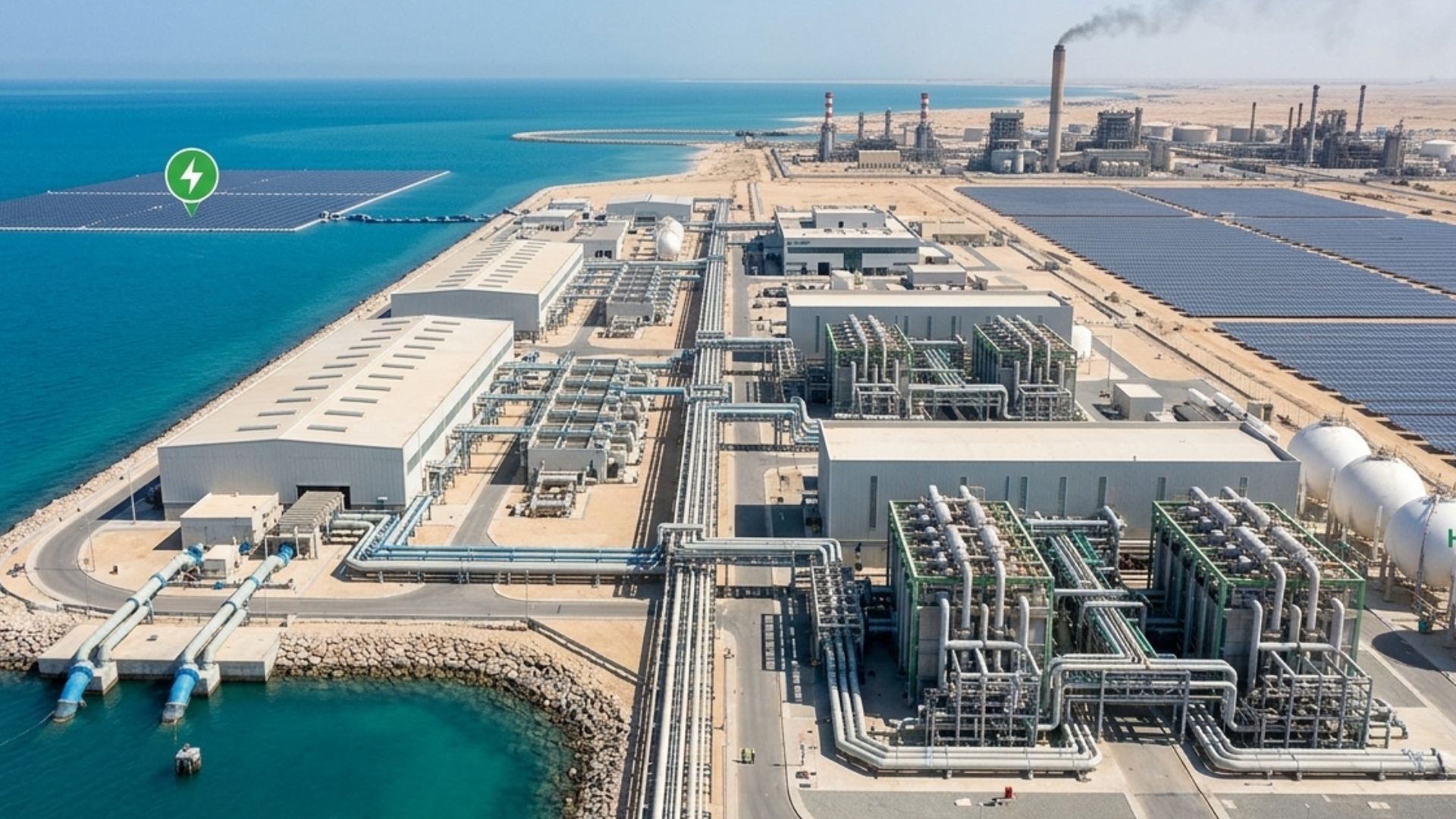
The world has bet on green hydrogen as the fuel of the future, but now faces the side effect: producing 1 kilogram requires about 9 liters of ultrapure water, and the largest projects on the planet are precisely in the driest regions of the Earth, where water is already scarce for people.




Conscious Energy: A Pillar of Sustainability
The conscious and efficient use of energy is fundamental to the development of a smart city. It is intrinsically linked to sustainability practices within the ESG context, emphasizing the importance of energy protection solutions, such as UPSs and stabilizers, in various sectors like industry, commerce, and residences. This diversity brings savings and security for both the user and the nation.
Innovation and Energy Efficiency: The Path to the Future
In light of impactful technological transformations, the demand for energy is expected to grow exponentially in the coming years. According to Pedro Al Shara, CEO of TS Shara, it is crucial for decision-makers to provide the population with maximum energy efficiency, without neglecting environmental concerns. The key to achieving this goal lies in continuous innovation.
In a scenario where technology and sustainability walk hand in hand, smart cities represent more than just an urban advancement; they reflect a society that values efficiency, innovation, and care for the environment. The promising future of Smart Cities is intrinsically dependent on the strategic and conscious use of energy, a challenge that we all must embrace.
Source: Pedro Al Shara – Press information: Capital Informações.





Be the first to react!