Portuguese
  Spanish


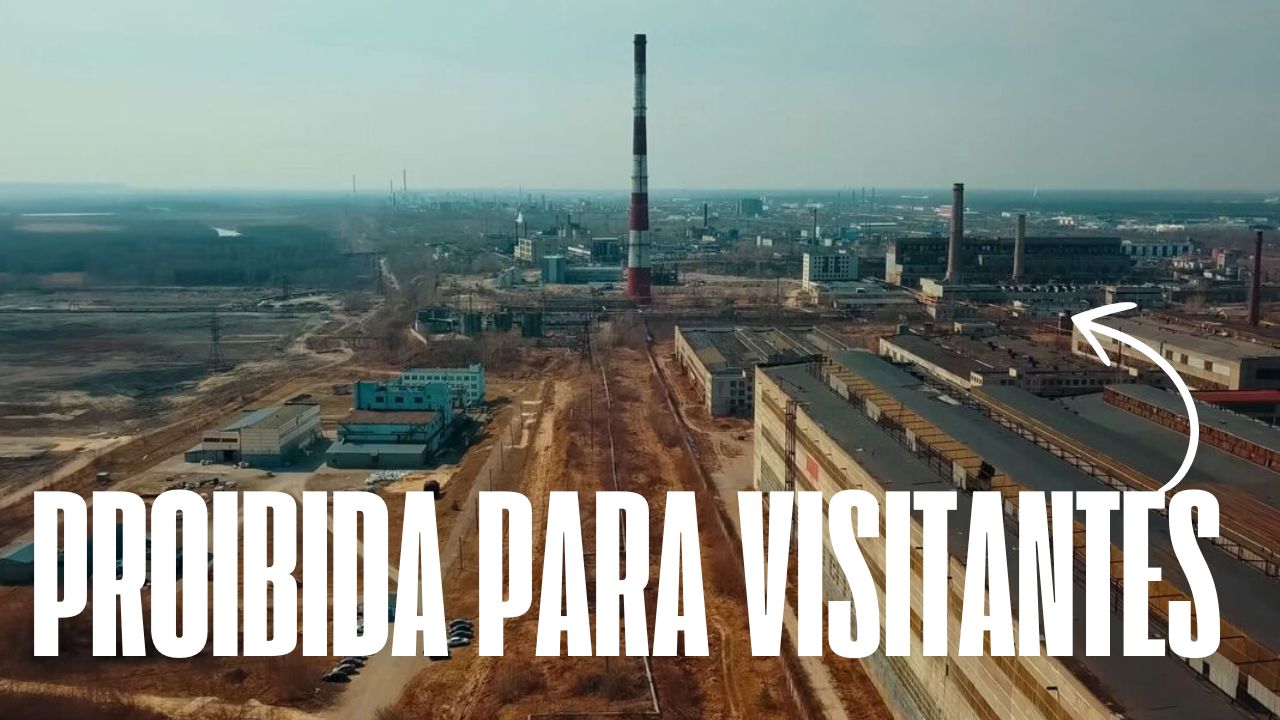

Hidden Locations Were Fundamental to the Production of Nuclear and Chemical Weapons and Still Play a Strategic Role in Russian Defense
Russia is home to several secret cities, some of which were established during the Soviet era for the development of nuclear, chemical, and biological weapons. Many of them are still active, maintaining highly classified strategic activities for the Russian government. These locations, excluded from official maps and inaccessible to the public, remain a mystery and attract the attention of international analysts.
Sarov: The Cradle of Russia’s Nuclear Program
Previously known as Arzamas-16, Sarov was the city where the Soviet Union, now Russia, developed its first atomic bomb in 1949. Located about 500 km from Moscow, the city still houses the Russian Federal Nuclear Center, one of the most protected facilities in the country.
Sarov remains an essential hub for nuclear research, and access is still restricted, requiring a government invitation to visit. Activities in the city involve research into new nuclear technologies and the enhancement of Russia’s atomic arsenal.
-
France Revamps 530 Social Housing Units with Large Balconies and Glass Facades Without Demolishing Existing Buildings

-
10-Year-Old Max Makes History with Paris Fashion Show, Launches Own Brand, Hires Staff, and Sets World Record as Youngest Runway Designer

-
Bolivian Female Construction Workers Form Association to Combat Discrimination and 38% Pay Gap in the Industry
-
Near Amsterdam, residents buy land and discover they must also build streets, manage drainage, handle waste, and grow food on half their plot.




Seversk: Reprocessing Nuclear Material in Russia

Seversk, formerly called Tomsk-7, was founded in 1949 and played a crucial role in the separation, enrichment, and reprocessing of uranium and plutonium. During the Cold War, this city was one of the main centers for nuclear fuel production for warheads.
The city also experienced a serious nuclear accident in 1993 when a tank containing radioactive solution exploded, releasing nuclear material into the environment. To this day, Seversk remains closed to the public and continues as a nuclear energy research center.
Zheleznogorsk: The Underground City of Plutonium
Founded in 1950, Zheleznogorsk, in Russia, previously known as Krasnoyarsk-26, was designed for plutonium production for nuclear weapons. The major distinguishing feature of this city is that its nuclear facilities were built inside a mountain, as a form of protection against air attacks.
Today, Zheleznogorsk remains an important center for nuclear research, responsible for nuclear fuel reprocessing and radioactive waste management.
Ozyorsk and the Kyshtym Nuclear Disaster
Ozyorsk, also known as Chelyabinsk-40, was one of the first nuclear centers of the Soviet Union. In 1957, one of the reactors at the Mayak complex suffered an explosion, causing the Kyshtym disaster, the third worst nuclear accident in history, behind only Chernobyl and Fukushima.
Despite the accident, Ozyorsk remains a closed city in Russia, and continues to operate critical nuclear facilities for the Russian government.
Sverdlovsk: Biological Weapons and the Anthrax Leak
Now known as Yekaterinburg in Russia, Sverdlovsk housed one of the most advanced biological weapon facilities of the Soviet Union. In 1979, an anthrax leak caused the deaths of dozens of people, marking one of the largest biological accidents ever recorded.
The Soviet government initially claimed that the incident was caused by the consumption of contaminated meat, but years later documents revealed that the true cause was a failure in a facility producing anthrax for biological weapons.
Are These Secret Cities in Russia Still Active?
Despite the collapse of the Soviet Union, many of these secret cities are still operating under the surveillance of the Russian government and continue to be essential for national defense. They maintain military research programs, nuclear energy, and the production of strategic armaments.
Russia maintains strict controls over these locations, restricting the entry of foreigners and even the movement of Russian citizens living within them. Their role in national security remains one of the country’s best-kept secrets.