






 Portuguese
  Spanish
  4 min of reading
  0 comments


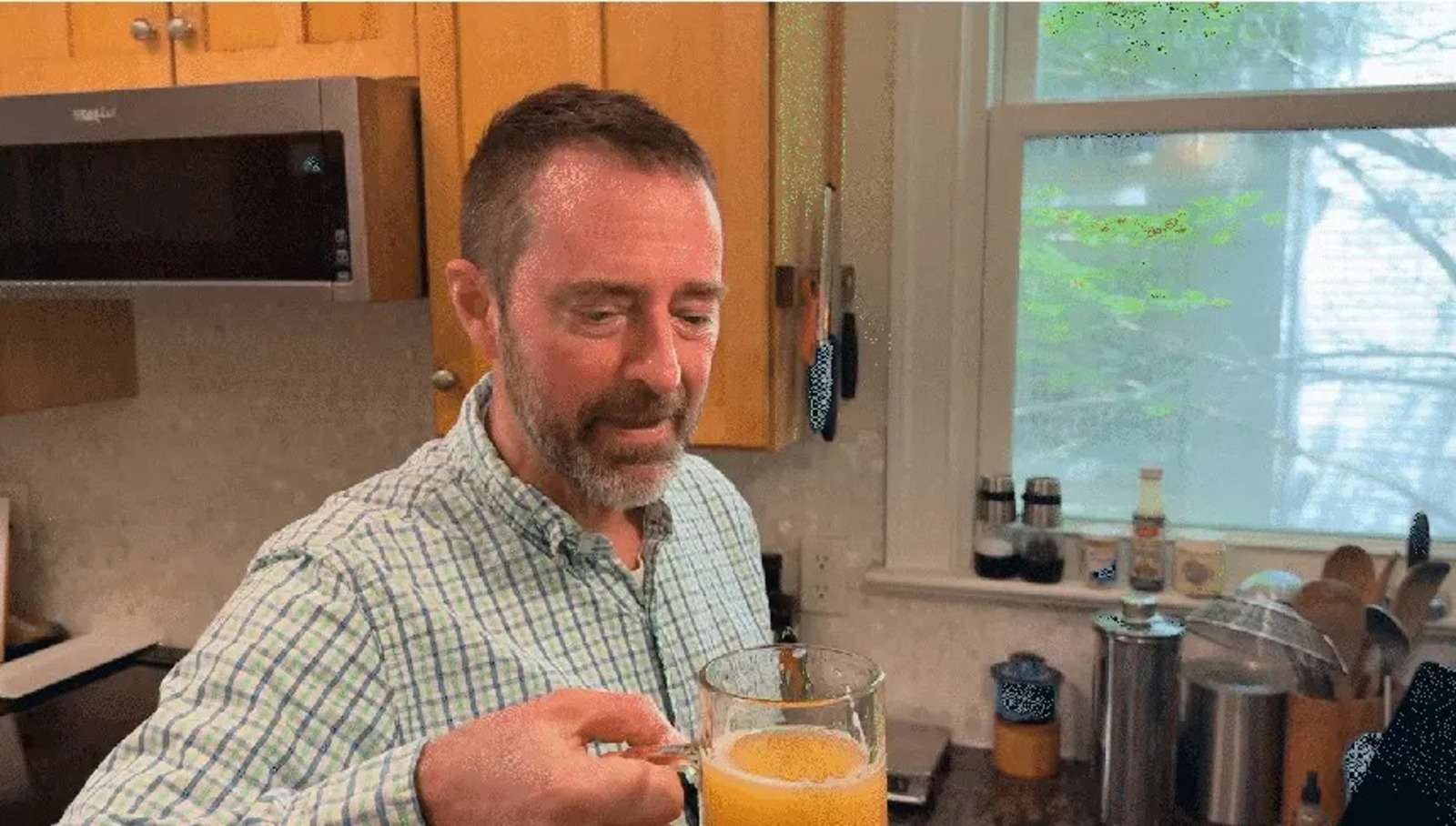
US Scientist Creates Beer With Genetically Modified Yeasts That Could Function As An Oral Vaccine, Sparking Ethical, Scientific And Regulatory Debate About The Limits Of Research Outside Official Institutions
A scientist at the National Institutes of Health stirred controversy by developing, at home, a beer that functions as an oral vaccine against a poliovirus, raising ethical, regulatory, and scientific debates in the United States.
A Beer Created Outside The Official Laboratory
Chris Buck, a virologist who identified four of the 13 known human polioviruses, decided to test an edible vaccine produced outside the institutional environment on himself.
The drink contains genetically modified yeasts capable of producing particles similar to those of the BK poliovirus, associated with cancers and severe complications in immunocompromised patients.
-
Brazilian mechanic invented a lamp made from a PET bottle during the 2001 blackout, the idea turned into an NGO present in 30 countries and has already illuminated 40,000 people in 200 communities without electricity in Brazil.

-
The first trillionaire in history, Elon Musk, opens his wallet and pays the equivalent of R$ 306 billion, or US$ 60 billion, for the artificial intelligence programming startup Cursor, in yet another AI investment made through SpaceX, his rocket company.
-
The future of computers may change sooner than expected: Amazon bets on commercial quantum computing within seven years, while qubits, the Ocelot chip, AI, and scientific simulations take center stage in the new race among big techs.

-
What does a Covid-19 vaccine have to do with heart attack and stroke? A study with over 1 million veterans reveals an unexpected link between immunization, the heart, and seniors over 75 years old.




According to Buck, by ingesting the experimental beer, his body produced antibodies against different subtypes of the virus, with no record of immediate adverse effects.
Close relatives also consumed the drink developed in his kitchen, expanding the reach of self-experimentation and raising additional ethical questions.
In an interview with ScienceNews, the researcher stated that the initial results indicate a real immunological potential of the approach based on live yeasts.
Scientific Communication Without Formal Peer Review
The initial data were made available on December 17 on the Zenodo platform, without peer review, which amplified the repercussions and criticisms.
Buck also published a detailed method to reproduce the vaccine beer and commented on the experiment on his personal blog, advocating for total transparency.
The materials released include results obtained in mice and self-experimentation in humans, a central point of the generated scientific and ethical controversy.
The lack of independent evaluation and formal clinical protocols raised doubts about safety, validity, and possible misinterpretations of the data.
Experts highlight that premature disclosure can generate public confusion, especially when it involves sensitive topics such as vaccines and homemade genetic engineering.
Conflict With NIH Ethics Committees
NIH ethics committees disapproved of any self-experimentation linked to the institution and questioned publication in traditional scientific repositories.
Buck argues that his actions occurred outside the official laboratory and relate to the private sphere, not to regulated institutional activities.
To circumvent restrictions, he founded the Gusteau Research Corporation, a nonprofit organization focused on the production and consumption of the vaccine beer.
The name references the movie Ratatouille and the idea that anyone can cook, or, in this case, produce science outside formal structures.
This strategy reignited the debate about the boundaries between personal research, citizen science, and institutional responsibility in public health.
Regulatory Border Between Food And Drug
Buck argues that the beer could be classified as food or a supplement since the yeasts used are considered safe for human consumption.
According to him, this would allow faster access to immunization, without the long series of clinical trials required for traditional vaccines.
Experts warn that this interpretation is controversial, as viral particles with immunological purposes practically characterize a medicinal product.
The regulatory confusion could set dangerous precedents and undermine systems created precisely to protect the population from unknown risks.
Critics emphasize that food safety does not automatically equate to long-term immunological or oncological safety.
Scientific Potential And Current Limits
The project derives from research initiated over 15 years ago for an injectable vaccine against the BK poliovirus.
In animals, viral particles produced by yeast triggered robust immune responses, supporting the hypothesis of effectiveness.
Subsequent experiments showed that rats fed live yeast also produced antibodies, suggesting viability via the oral route.
If confirmed, the technology could reduce costs, ease storage, and allow simple administration, even incorporated into foods.
Buck believes that the approach could eventually be applied against COVID-19, avian influenza, and cancers associated with HPV.
Social Risks And Public Trust
Researchers remind that the human data are limited to Buck himself and a few family members, without formal clinical studies.
There is no systematic assessment of side effects or long-term follow-up, which limits any definitive conclusions.
Experts warn of the risk of undermining public trust in vaccines by associating them with artisanal alcoholic beverages.
In a global climate of disinformation, the idea of a “vaccine beer” can be easily distorted by anti-vaccine movements.
Bioethicists argue that scientific innovation must go hand in hand with responsibility to preserve safety, efficacy, and social credibility.
With information from Revista Galileu.




-

-

-

6 people reacted to this.