Portuguese
  Spanish




Discovery Opens New Paths for Treatments Against Cognitive Decline
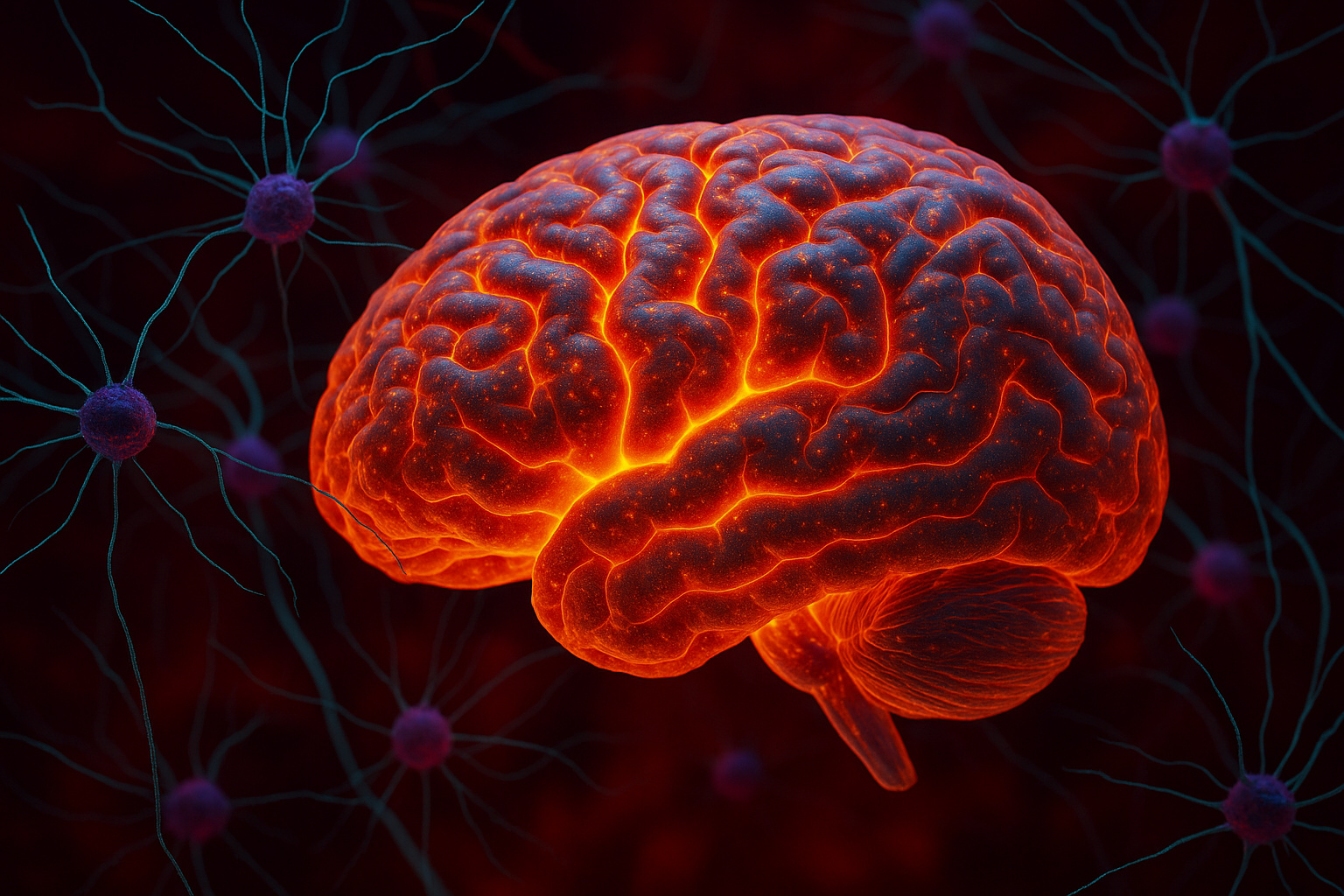
A study published in August 2025 by Nature Aging revealed that the protein ferritin light chain 1 (FTL1) may play a decisive role in brain aging.
The research, conducted by scientists at the University of California, San Francisco (UCSF), showed that manipulating the levels of this protein in mice caused acceleration and reversal of cognitive losses.
The discovery opens new possibilities for understanding and combating neurodegenerative diseases.
-
Brazilian Man Builds Homemade Welding Machine Using Parts from Old Microwaves, Achieving Over 100 Amperes

-
Canada Sinks Six Giant Balloons in Lake Ontario to Test Underwater Battery That Stores Compressed Air 60 Meters Deep

-
Astronauts Returning from Space Develop Early Cataracts Due to Eye Lens Radiation, Highlighting Risks for Future Mars Missions

-
Brastemp Unveils New Dishwasher with Smart Sensor, 14 Place Settings, Acquaspray Jet, 70°C Rinse, Water Efficiency, and Intelligent Drying


Animal Tests Show Effects on the Hippocampus
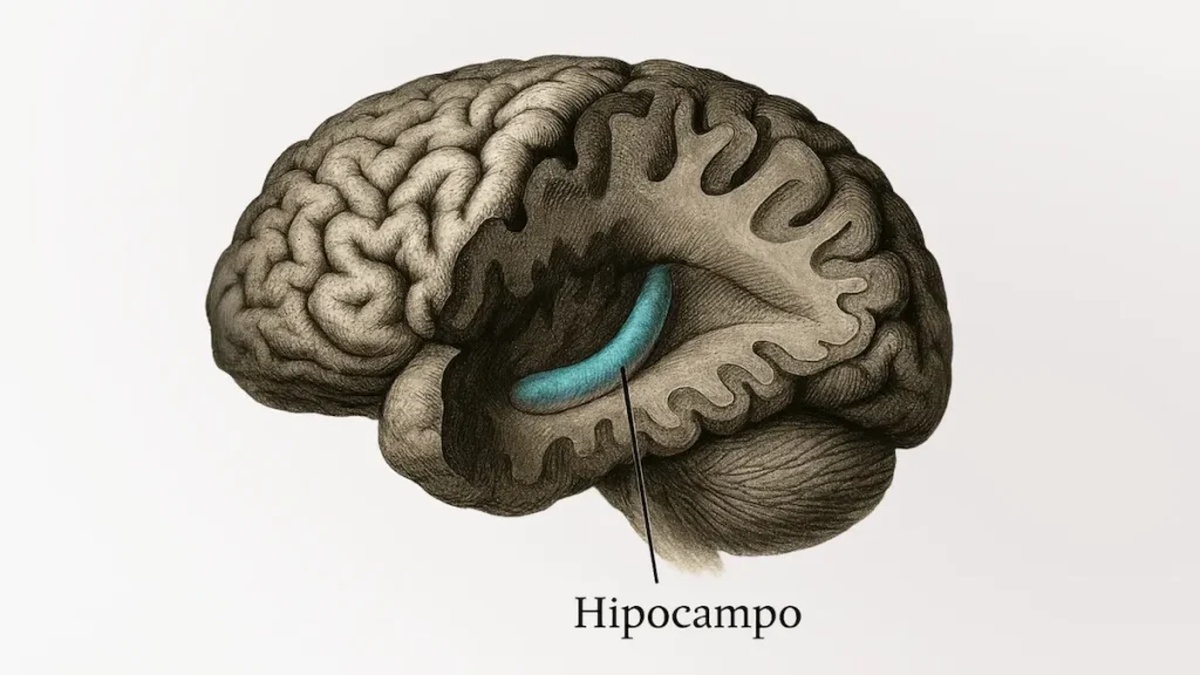
The researchers focused their analyses on the hippocampus, a crucial region of the brain for memory and learning.
Natural aging significantly affects this region.
In September 2024, tests revealed that elderly mice had higher concentrations of FTL1, while young mice maintained lower levels.
The team then increased the levels of the protein in young mice, who began to exhibit memory failures.
They also reduced the levels in elderly mice, who experienced partial cognitive recovery.
According to Saul Villeda, the biomedical researcher in charge of the study, the results were clear: “It is truly a reversal of cognitive deficiencies, and not just a delay of symptoms.”
Impact of the Protein on Neurons and Mitochondria
In addition to experiments in live animals, the team evaluated cell cultures in the lab.
In October 2024, they observed that elevated levels of FTL1 hindered the growth of neurons.
They also prevented the proper formation of essential branches for brain communication.
The study indicated that excess protein may compromise the functioning of mitochondria, organelles responsible for providing cellular energy.
As these structures are already associated with the aging process, the results reinforced the hypothesis that FTL1 directly affects brain wear.
Perspectives for Neurodegenerative Diseases
Although the results are still limited to animal models, the findings published in 2025 are promising.
For the authors, there are indications that the protein is not merely a consequence of aging.
It may be a biological driver of cognitive decline.
Thus, new avenues have opened for applied research in diseases such as Alzheimer’s and Parkinson’s, which affect millions of people worldwide.
Understanding the role of FTL1 may allow for the future development of therapies capable of restoring lost cognitive functions.
Science Sees Progress but Urges Caution
Despite the excitement, scientists stress the need for caution.
Human studies have not yet begun, and translating results from mice to people requires years of clinical trials.
Still, the discovery was received as a landmark in neuroscience in 2025.
According to Villeda, “there are more opportunities to alleviate the worst consequences of aging.”
However, it is essential that future research confirms the effects observed so far.