Portuguese
  Spanish


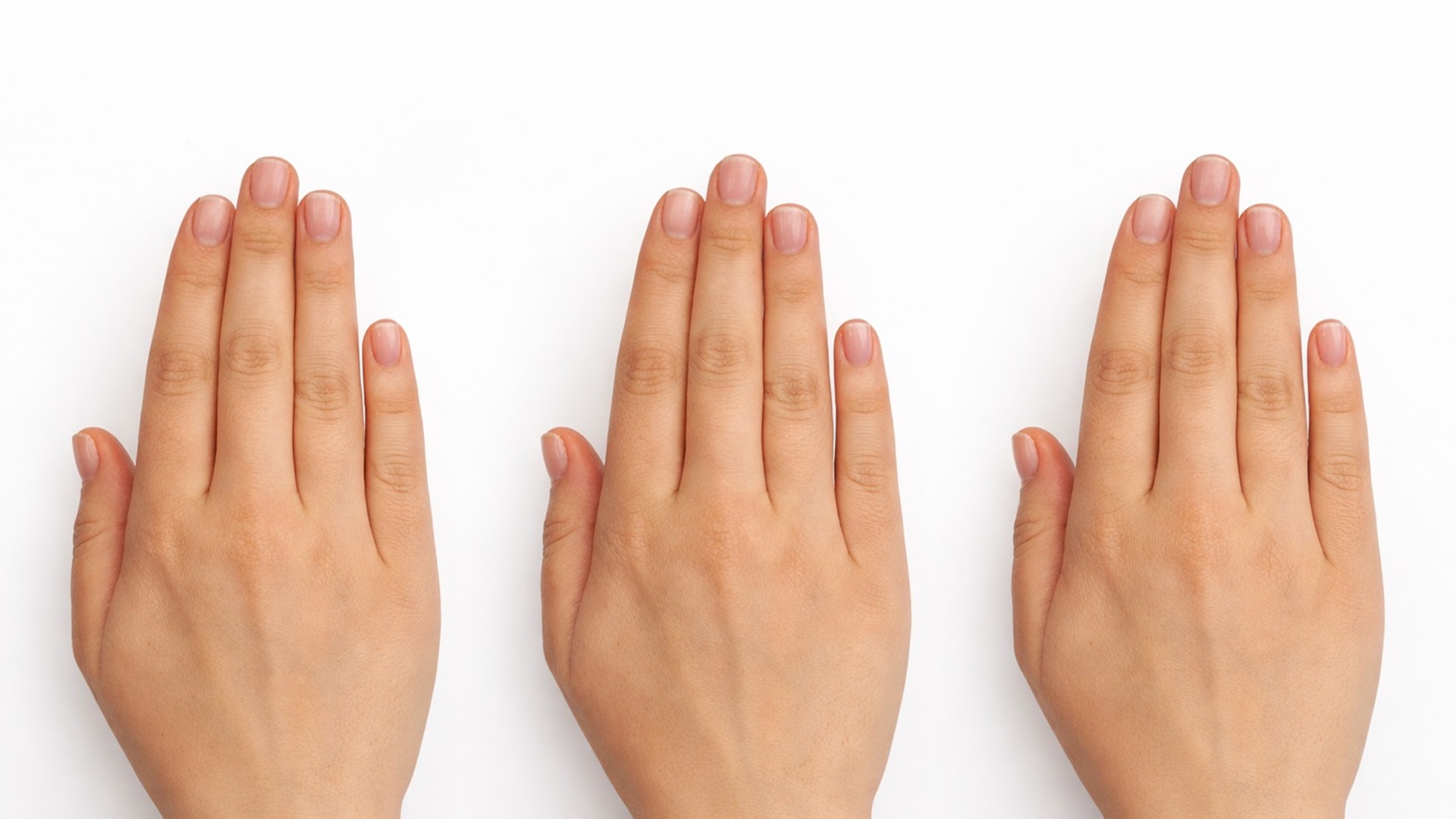


Study with 225 Newborns, Including 100 Boys and 125 Girls, Identified Association Between 2D:4D Finger Ratio and Greater Head Circumference in Boys, Strengthening Evidence About the Role of Prenatal Estrogen in Human Brain Evolution
Scientists claim that fingers hold a secret of brain evolution, suggesting that the 2D:4D digital ratio, observed even before birth, may be linked to brain expansion, according to a study with 225 babies published on January 10, 2026.
What the 2D:4D Finger Ratio Reveals About Prenatal Hormonal Exposure
Professor John Manning, from the Applied Sports, Technology, Exercise and Medicine A-STEM research team at Swansea, specializes in the study of the digital ratio between the index and ring fingers, known as the 2D:4D ratio.
This measure compares the length of the index finger with that of the ring finger and, according to research, reflects the balance between estrogen and testosterone to which the fetus is exposed during the first trimester of pregnancy.
-
The Trap of Modern Technology: How Screen Overload and Digital Connections Can Impact Your Mental Health and Well-being

-
Wyoming Couple Grows Tropical Fruits Year-Round in -40°C Using Geothermal Greenhouse, Demonstrating Earth’s Heat Can Produce Oranges and Lemons in Snow Without Traditional Heating

-
Ship Returns from Brazilian Coast with Thirty Newly Discovered Life Forms
-
Nigerian Professor Invents Electricity-Free Refrigerator Using Clay Pots and Wet Sand, Extending Shelf Life of Vegetables to 27 Days; 7,000 Units Distributed in Energy-Deprived Villages



Individuals with higher estrogen-to-testosterone ratios before birth tend to have longer index fingers compared to ring fingers, resulting in a higher 2D:4D ratio.
Analysis of 225 Babies Relates Fingers and Head Circumference
As head circumference in newborns is closely associated with brain size and later IQ measures, researchers examined the ratio between the fingers and cranial measurements in 225 babies.
The sample included 100 boys and 125 girls. The analysis revealed a clear association in boys between higher 2D:4D ratio values and greater head circumference.
Higher 2D:4D ratio values, indicative of high prenatal estrogen levels, were associated with larger heads in boys. The same pattern was not observed in girls, according to the data presented.
Professor Manning collaborated with researchers from the Department of Anthropology at Istanbul University. The study was published in the journal Early Human Development.
Fingers, Human Evolution, and the Estrogenized Monkey Hypothesis
According to Professor Manning, the discovery is relevant to human evolution because the increase in brain size occurs alongside the feminization of the skeleton, a phenomenon known as the estrogenized monkey hypothesis.
Higher 2D:4D ratio values in men have been associated with high rates of heart problems, low sperm count, and predisposition to schizophrenia, as reported in the research.
He stated that the increase in brain size may compensate for these issues. Thus, the evolutionary drive for larger brains may be linked to reduced male viability, including cardiovascular problems, infertility, and rates of schizophrenia.
The team claims that the results corroborate evidence that prenatal estrogen may have played a beneficial role in the evolutionary expansion of the human brain, even if this change has incurred biological costs.
Previous Research Expands Analysis on Digital Ratio and Fingers
Previous studies by Professor Manning explored how the ratio between fingers relates to other physiological and behavioral characteristics and outcomes.
The work examined links with alcohol consumption, recovery after COVID-19 infection, and oxygen use in football players, broadening the scope of digital ratio analysis.
Together, this body of research suggests that finger length may provide insights into hormonal influences that shape development before birth.
The authors analyzed data relating fingers, digital ratios, and cranial measurements, reinforcing the discussion on how prenatal hormonal factors may have influenced the evolutionary trajectory of the human brain and its biological implications.