Portuguese
  Spanish


International recognition celebrates the Brazilian after one of the most challenging open water swimming crossings, consolidating a trajectory marked by intense preparation, overcoming adversities, and a performance that made history in national sports.
The Brazilian swimmer Clarice Shiguemi Hashizume wrote a new chapter in the history of open water swimming by achieving official recognition from the Guinness World Records. As published by the Swim Channel portal, the feat was certified after the athlete completed, on June 9, 2026, the traditional Leme to Pontal Crossing, in Rio de Janeiro, becoming the oldest woman to complete the 36-kilometer course, one of the most demanding in the country and an international reference in the sport.
At 56 years and 280 days on the date of the event, Clarice covered the entire distance between the Leme and Pontal beaches in 12 hours and 3 minutes. The certification was carried out by the Leme to Pontal Swimming Association (LPSA), the entity responsible for organizing the crossing and the official recognition of the record.
The result represents much more than a sports milestone. The achievement is the result of months of preparation, discipline, and planning to face a challenge considered one of the greatest in open water swimming in Brazil.
-
Brazil, Venezuela, and Paraguay May Restrict Travel for Those Delaying Mandatory Passport Procedure

-
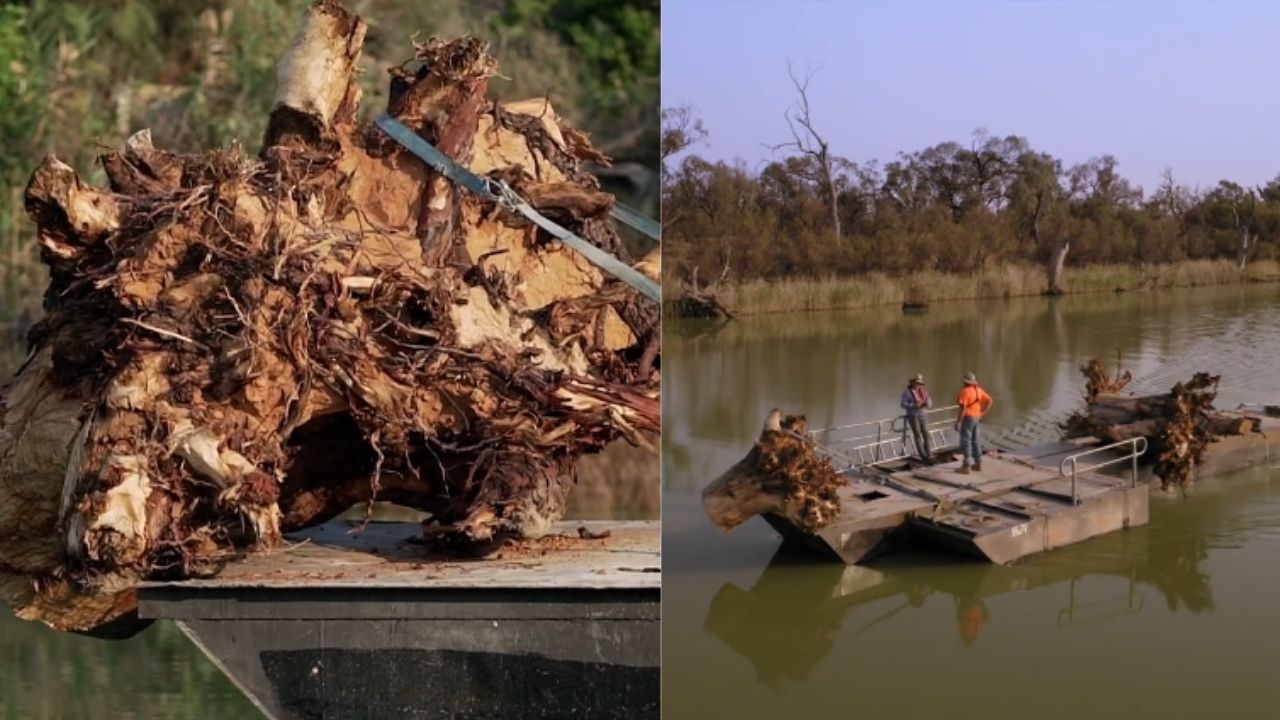
Australia Restores 4,450 Dead Trees to the Murray River, Demonstrating River Recovery by Reintroducing Natural Structures Removed by Past Engineering

-
Digestive Health Expert Silvia Gómez Explains How Cold Drinks and Ice Cream Can Slow Digestion and Cause Discomfort in Hot Weather
-
Experts Reveal Surprising Uses for Air Conditioner Drip Water and Common Mistakes to Avoid



Intense preparation turned a big dream into a world record
Although an experienced swimmer, Clarice had never competed in an aquatic ultramarathon with the characteristics of the Leme to Pontal Crossing. Her biggest challenge until then had been the 14 Bis Crossing, with 24 kilometers.
Even without an extensive history in events of this distance, she decided to directly bet on one of the most difficult crossings on the Brazilian calendar.
According to the athlete, preparation began in January 2026, with a rigorous routine of physical and technical training.
From the start, Clarice made a decision that would further increase the difficulty of the event: to complete the entire course without using a neoprene suit, even knowing she would face colder waters during the chosen period.
To arrive prepared for the challenge, she intensified her pool training, increased the volume of swimming in reservoirs, and held specific sessions on Saturdays alongside coach Igor de Souza, work that strengthened both her physical endurance and the confidence needed to face the long hours in the sea.
In addition to the training, the athlete needed to organize the entire financial structure to make the record attempt feasible. The creation of the company IARA.eco, combined with the sale of t-shirts, helped cover travel, accommodation, food, training, and all necessary logistics during the preparation period in Rio de Janeiro.
Clarice also highlighted the crucial role of nutritionist Alessandra Rodrigues, who accompanied the entire journey offering technical, emotional, and operational support during the months leading up to the crossing.
Cold, asthma, and rough sea increased the difficulty level of the crossing
The start took place at 12:25 AM on June 9, surrounded by uncertainties caused by the forecast of changes in sea conditions and the possibility of bad weather.
As if the natural challenges of the ultramarathon weren’t enough, Clarice began the race facing a cold and an asthma attack, factors that demanded even more physical and mental control over more than twelve hours of continuous effort.
After approximately ten kilometers, the Brazilian had to overcome a stretch of strong current, considered one of the most technical points of the crossing. Despite the difficulties, she maintained the planned pace and continued advancing until the finish.
In the final hours, physical exhaustion became evident.
According to the athlete, severe lower back pain, shortness of breath, and coughing episodes emerged, symptoms caused by the enormous effort demanded by the race. Even so, she managed to complete the entire course safely.
Throughout the crossing, Clarice had the support of the team formed by Aderbal, Anne Brumanna, and Júlio Anzai, responsible for the support boat that accompanied each stage of the challenge.
Guinness confirmation transformed the achievement into a milestone of Brazilian swimming
After crossing the finish line, Clarice received the news that would make her achievement even more historic.
It was at that moment that the initiative arose to request official recognition from the Guinness World Records as the oldest woman to complete the Leme to Pontal Crossing.
With the certification completed, the Brazilian officially joined the record book, consolidating her name among the great highlights of open water swimming.
In addition to the traditional 36-kilometer race, the LPSA organization promotes other important crossings, such as the 10 km, 13 km, 14 km, 16 km, 18 km, 40 km, and 50 km courses, bringing together Brazilian and foreign athletes at different levels of difficulty.
To participate in the challenge, interested swimmers must contact the organization of the Leme to Pontal Crossing and request the scheduling of a date for the ultramarathon.
Clarice Hashizume’s achievement reinforces that great results do not depend solely on age, but on the combination of preparation, discipline, perseverance, and courage to face challenges that few athletes are willing to take on.
With information from: Swim Channel