Portuguese
  Spanish


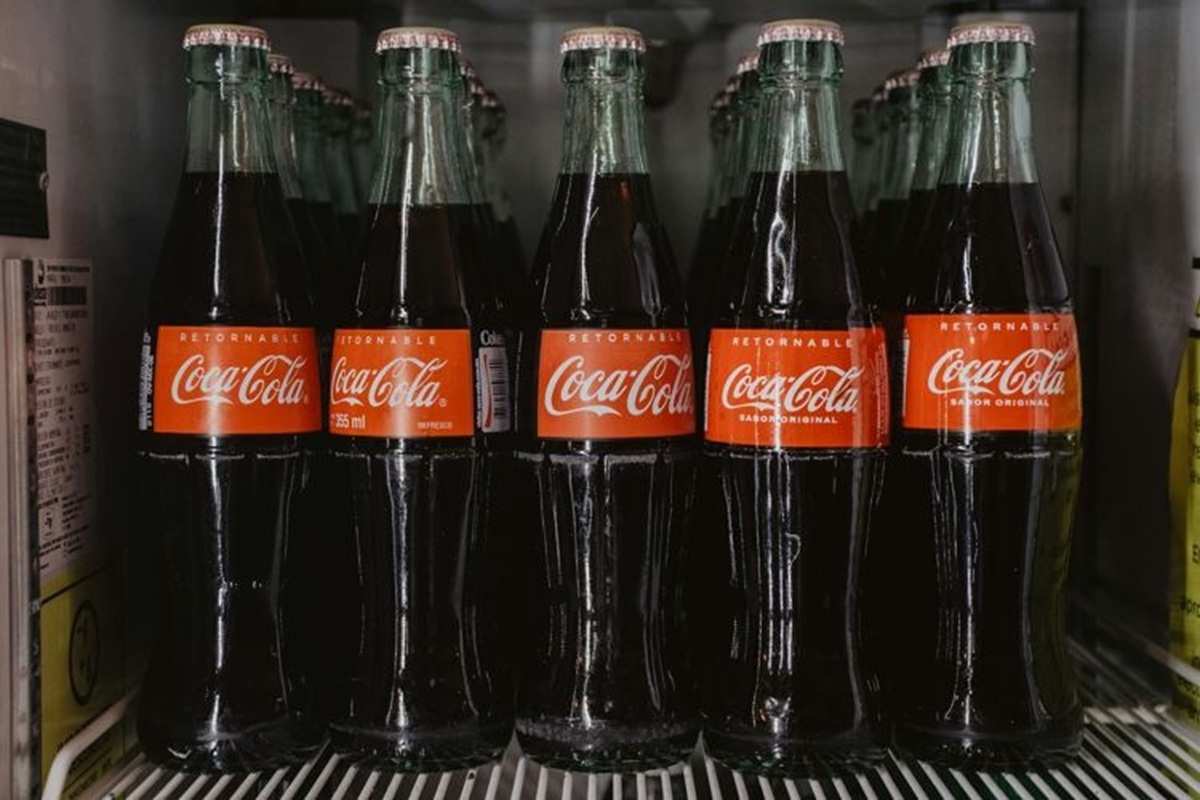

An Impressive Reality Impresses Doctors and Researchers: Coca-Cola Is More Present Than Drinking Water. With Daily Consumption Exceeding 2 Liters Per Person, the Soda Has Become Part of Routine, Faith, and Childhood.
In Chiapas, in southern Mexico, Coca-Cola has ceased to be just a beverage. It has become part of routine, culture, and even religious practices.
The numbers are impressive: each resident consumes an average of 821.2 liters per year. This represents about 2.2 liters per day — nearly 32 times the global average.
More Popular Than Water
Coca-Cola is everywhere in Chiapas. It is sold in stores, stalls, markets, and even in religious spaces.
-
College Dropout Turned Window Cleaner Builds $1 Million Cleaning Business with Subscription Model After 18 Years of Door-to-Door Work

-
North Korean Soldier Risks Crossing One of the World’s Most Dangerous Borders, Detained in South Korea

-
Stingless Bee Honey from Brazil Can Cost Up to $120 a Liter, Surprises with Flavors of Wood, Citrus, and Even Cheese
-
Woman Claims to Have Spotted a Technical Pattern in Recent FIFA Tournaments, Predicts Possible World Cup Winner


Consumption has ceased to be sporadic or celebratory. For many residents, it is a way to stay hydrated.
The beverage is as accessible and cheap as water. In several regions, drinking water is available only a few times a week, while Coca-Cola is always available.
Excessive consumption, however, is not recognized as a problem by a large part of the population. Many do not even realize they are addicted. The beverage has been part of life since early childhood, and this custom goes back decades.
A Tradition Built Over the Years
In the 1960s, indigenous leaders, supported by the Mexican state, began to control the distribution of soft drinks like Coca-Cola and Pepsi. Gradually, these leaders started replacing traditional beverages used in rituals, such as pox (local liquor), with sugary soft drinks.
Over time, Coca-Cola came to be seen as a symbol of spiritual power. For many, it even has healing powers.
This cultural process was reinforced by the establishment of a Coca-Cola factory near San Cristóbal de las Casas. Since then, prices have dropped, marketing has grown, and soft drinks have multiplied at points of sale.
Advertising is targeted at the local audience. Posters featuring indigenous models, phrases in the native language, and massive distribution have made Coca-Cola an inseparable part of Chiapan culture.
Health Problems Getting More Serious
The consequences of this excessive consumption are already visible in the statistics. In Chiapas, diabetes is the second most common cause of death. Each year, around 3,000 people die from complications of the disease.
Additionally, there is an epidemic of tooth decay among adults and children. The sugar present in soft drinks is compromising the oral health of the population.
One of the most concerning aspects is the early onset of consumption.
Data shows that 15% of indigenous children aged one or two are already consuming soft drinks regularly. Among babies under six months, 3% are already drinking this type of beverage.
Despite Risks, Habit Persists
Dr. Marcos Arana from Chiapas stated to the newspaper The Guardian that addiction takes hold from the earliest years of life. This makes it extremely difficult to abandon the beverage. Even people with diabetes continue to consume Coca-Cola.
Jaime Page Pliego, author of the study from the Southern Multidisciplinary Research Center, reinforces this scenario. According to him, many diabetics continue drinking soft drinks, even knowing the risks. “They cannot imagine life without Coca-Cola. It’s a tragedy,” he stated.
The presence of Coca-Cola in Chiapas is so deep that the beverage seems to have crossed any boundary between habit and dependency.