






 Portuguese
  Spanish


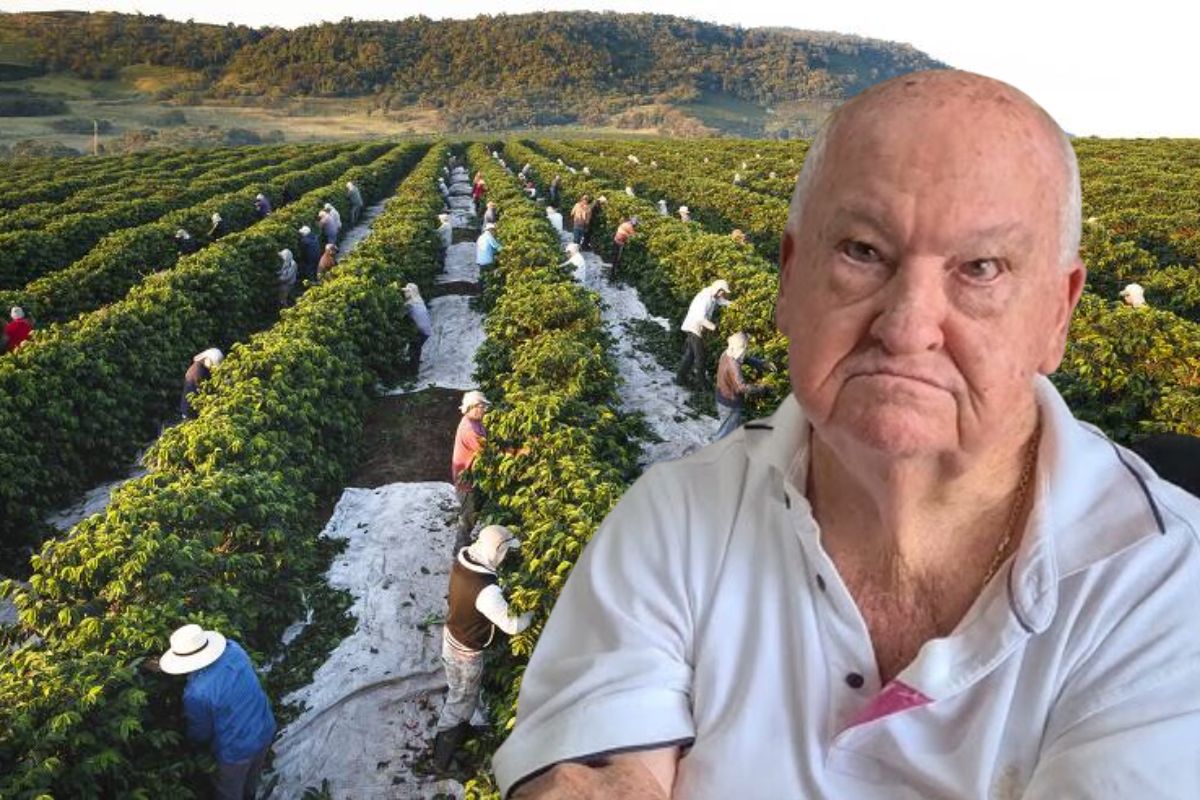


With Humble Origins, Antônio Francisquini Faced Frosts, Debts, and Prejudice — And Today Leads the Largest Coffee Conglomerate on the Planet
The title of King of Coffee has been used to describe 19th-century slaveholders, rubber cycle industrialists, or folkloric figures from the interior of São Paulo. But perhaps no name represents this throne with such legitimacy as that of the Paraná native Antônio Francisquini. He started as a bus collector and now commands the largest coffee-growing area in the world.
The trajectory of Francisquini is not just the story of a businessman. It is the brutal and inspiring portrait of how rural Brazil reinvents itself with sweat, strategy, and determination. From São José do Rio Preto to the monumental farms in the Cerrado Mineiro, his story mixes record harvests, devastating frosts, high technology, and hard lessons about predictability — or the lack thereof — in agribusiness.
The Poor Childhood, Life as a Collector, and the First Farm
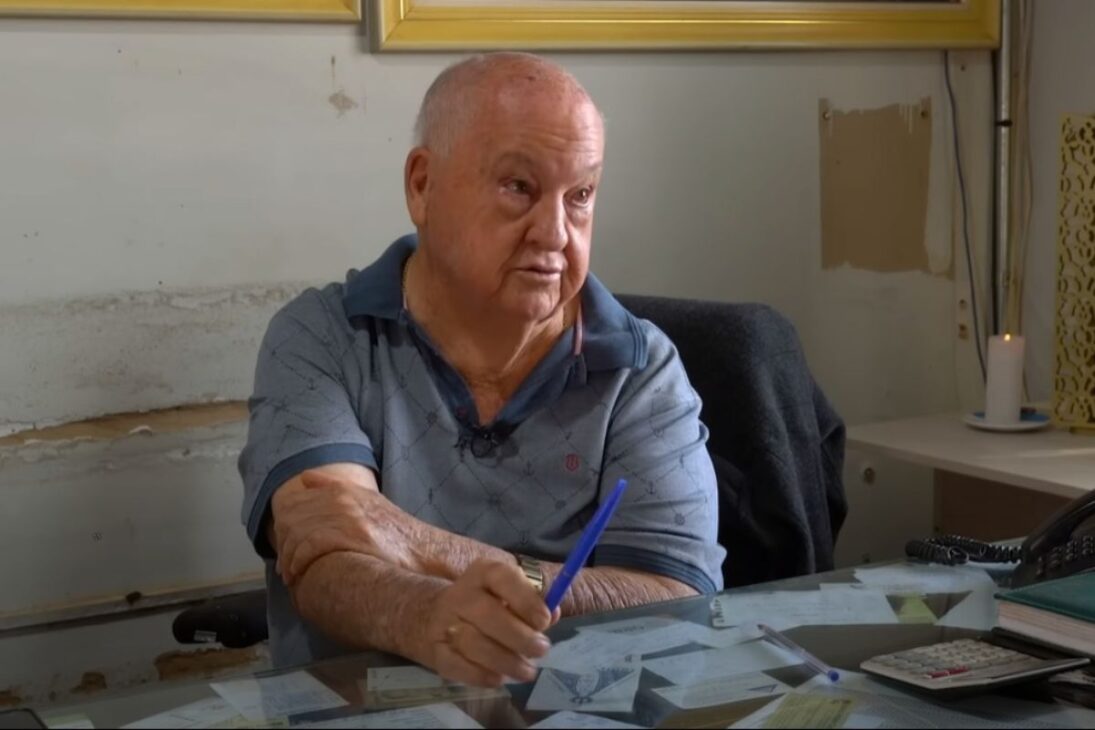
Born in São José do Rio Preto, in the interior of São Paulo, Francisquini faced poverty early on. “My mother washed clothes for others. A little bread was divided among eight siblings,” he recalls. As a child, he carried bags in the street to help support the family. At 15, he moved to Paraná, where he began working with coffee — first as a collector and then as a bus driver.
-
At 14 years old, she worked in a factory in Hong Kong, studied economics abroad, and then entered the Chinese real estate market, which helped change the landscape of Beijing.

-
While NATO secured more than $10 billion in missiles and space surveillance at a single forum, Brazil still spends 1.1% of its GDP on defense and is stalling its own anti-aircraft system.

-
Corn ethanol attracts R$ 23 billion in 21 new plants and prepares for a nearly 50% jump in Brazilian production by 2027, even with high interest rates.
-
A newly opened terminal in the middle of the Amazon has begun transporting soy and corn through Amapá, eyeing the queue of ships that is congesting the ports in the South.


It was during this time that he bought his first small farm in Ivatuba (PR). With only six acres divided among siblings, he received 1,500 cruzeiros — and decided to invest. In 1959, he bought nine acres in Cianorte, shortly before the frost of 1963. This frost, which devastated crops in various regions, was his opportunity: “I sold the coffee for 3,000 cruzeiros and started buying small farms.”
The Frosts That Bankrupted Some… and Enriched Others
While many producers went bankrupt due to the frosts of ’63 and ’69, Francisquini thrived. He bought a farm for 45 thousand cruzeiros, which in a single year returned 215 thousand in coffee. The cycle repeated itself several times: “What I have today, I earned with frost,” he asserts confidently.
His expansion model was simple and aggressive: buy land affected by climate crises, restore productivity, and reinvest in the business. When Paraná began to suffer from nematodes and loss of crop vigor, he moved to Minas Gerais. In 1987, he bought his first farm in the Cerrado Mineiro. Today, he controls seven production hubs in Brazil.
The Current Empire: 18 Thousand Hectares, Thousands of Employees, and Professional Management
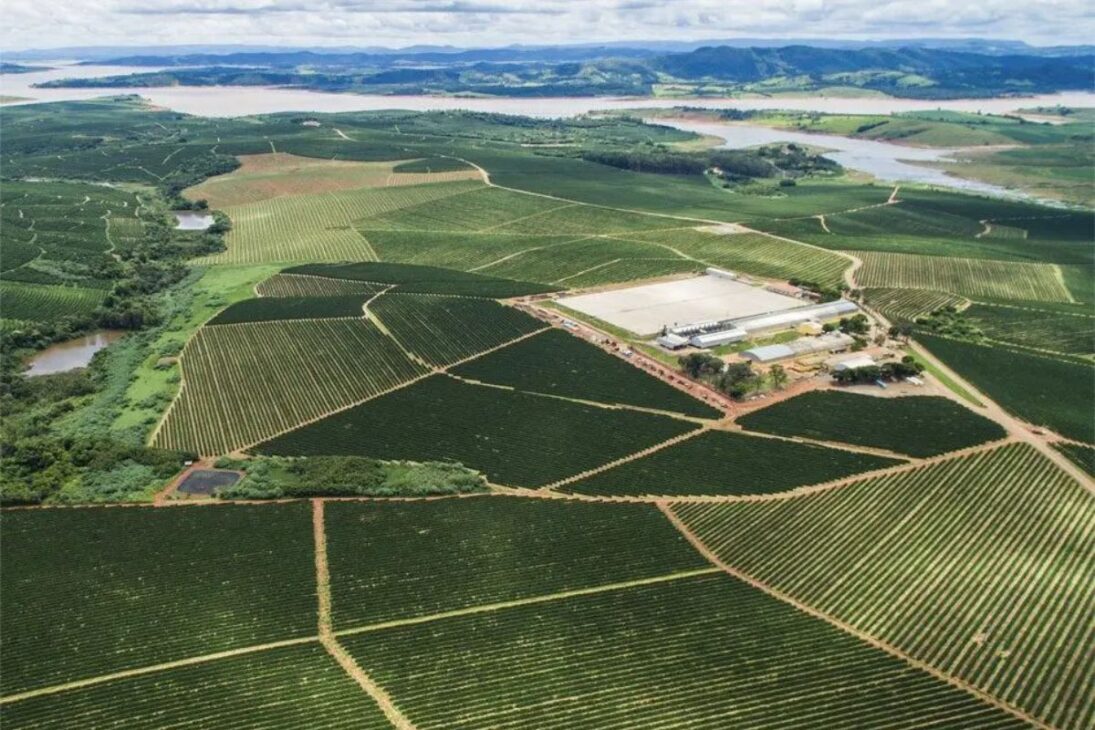
Currently, Francisquini cultivates more than 18 thousand hectares of coffee, with hubs in Bahia, Minas Gerais, and other regions. Under his management, he has hired 3,400 temporary workers, as well as 500 permanent employees. Even with all this scale, the businessman rejects complex systems and values direct control of costs: “I look at what’s left in my pocket. High productivity doesn’t mean profit.”
The operation is divided into seven hubs, each with its own manager. Coordination is done via WhatsApp, in-person visits, and moderate use of technology. “It’s a lean structure, but it works,” says technical consultant Sérgio, Francisquini’s right-hand man. There is competition among hubs, but always in a healthy way, focused on efficiency and the exchange of experiences.
Incorrect Forecasts, Scarce Labor, and the Future of Coffee Cultivation
Even with decades of experience, Francisquini acknowledges: predicting the harvest is a constant challenge. In 2025, he expected to harvest 600 thousand sacks. “Today, I think I’ll harvest 150 thousand. Each day that passes, we see it will be less,” he states. He criticizes analysts who project unrealistic highs and warns: those who bet wrong may not be able to pay their bills.
The biggest headache currently is not the weather — it’s the scarce labor. Many workers do not want formal registration to avoid losing government assistance. “If left alone, no one shows up to harvest. Small coffee is a drama. The harvester has to come in.”
Despite all the difficulties, the group continues to grow. Just last year, they purchased two new farms. “It’s a pleasure to buy land. Until today, thank God, I owe almost nothing.”
From Former Collector to Global Reference: The New King of Coffee is Real
Unlike the barons of the past, Franceschini built his crown with sweat, austerity, and a keen eye for opportunity amidst chaos. He was poor, was rejected, was discredited. But his story took him to the top of global coffee production — without debts, without inheritance, and without fear of losing everything.
And you? Do you believe that Brazil values stories like this? Was the throne of the King of Coffee well earned? We want to know your opinion about this rare journey — comment below with your thoughts.


Aí vem um esperto que não sabe a diferença de uma pá e uma enxada e quer chamar o cara de burguês, de escravocrata e quer tomar as terras do cara.
É muito bom lê histórias como essa, venceu a vida com determinação e muito trabalho, parabéns ao Sr Francisquini, que Deus continue abençoando ele e toda sua família.
Homem de visão e corahem ,parabens