






 Portuguese
  Spanish
  4 min of reading
  2 comments




Chongqing Amazes With Its Extreme Geography, Colossal Skyscrapers, And Neighborhoods Built At Different Heights, Creating One Of The Most Unique And Surprising Urban Landscapes In China
Chongqing, in southwestern China, is one of those places that seems invented. An officially recognized city with over 32 million inhabitants, larger than many entire countries, cut by gigantic rivers, endless skyscrapers, deep valleys, permanent fog, and a rhythm that blends technological future with very old traditions.
Even so, for much of the Western audience, it barely exists on the radar. It is the largest city in the world by population within administrative limits and, at the same time, one of the most unknown outside of Asia.
The metropolis has grown rapidly over the past few decades, driven by technology industries, shipping transport, and urban investments on an almost unimaginable scale. The mountainous geography, which could have been an obstacle, shaped a unique architecture.
-
Seven neighbors came together, started with little money, rolled out dough by hand, and turned a homemade recipe into a women’s cooperative model that spanned decades in India.

-
A geometry book written 2,300 years ago taught Lincoln to be a lawyer, Einstein to think in physics, and Russell to understand logic, and no MBA in the world has managed to replicate this feat.

-
Absent father may lose child support request against children and still be liable for emotional abandonment
-
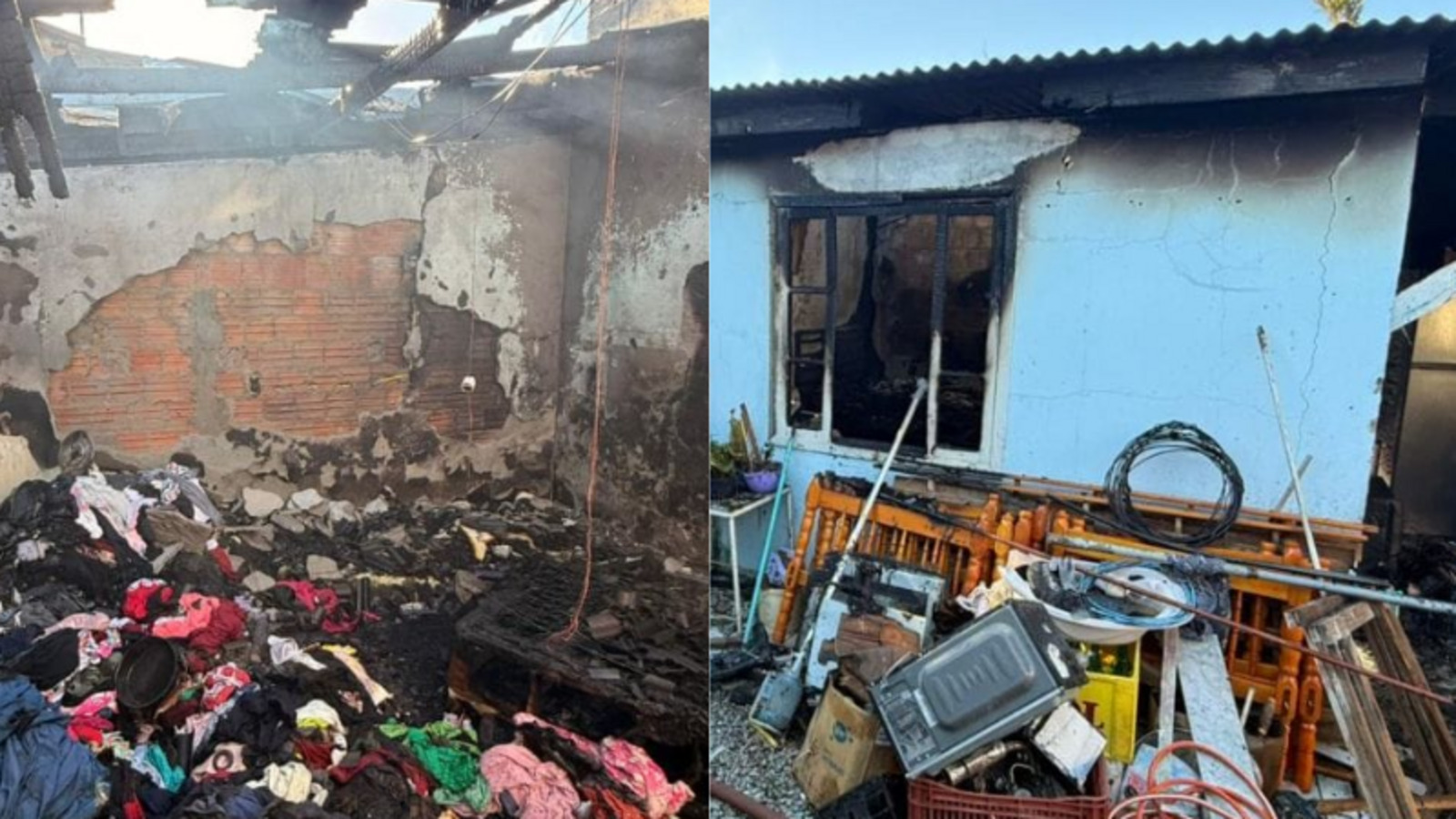
Woman loses house in devastating fire and now sees 35 people rebuilding her home with over 350 tires, bottles, and cans in a sustainable project designed to withstand fire.





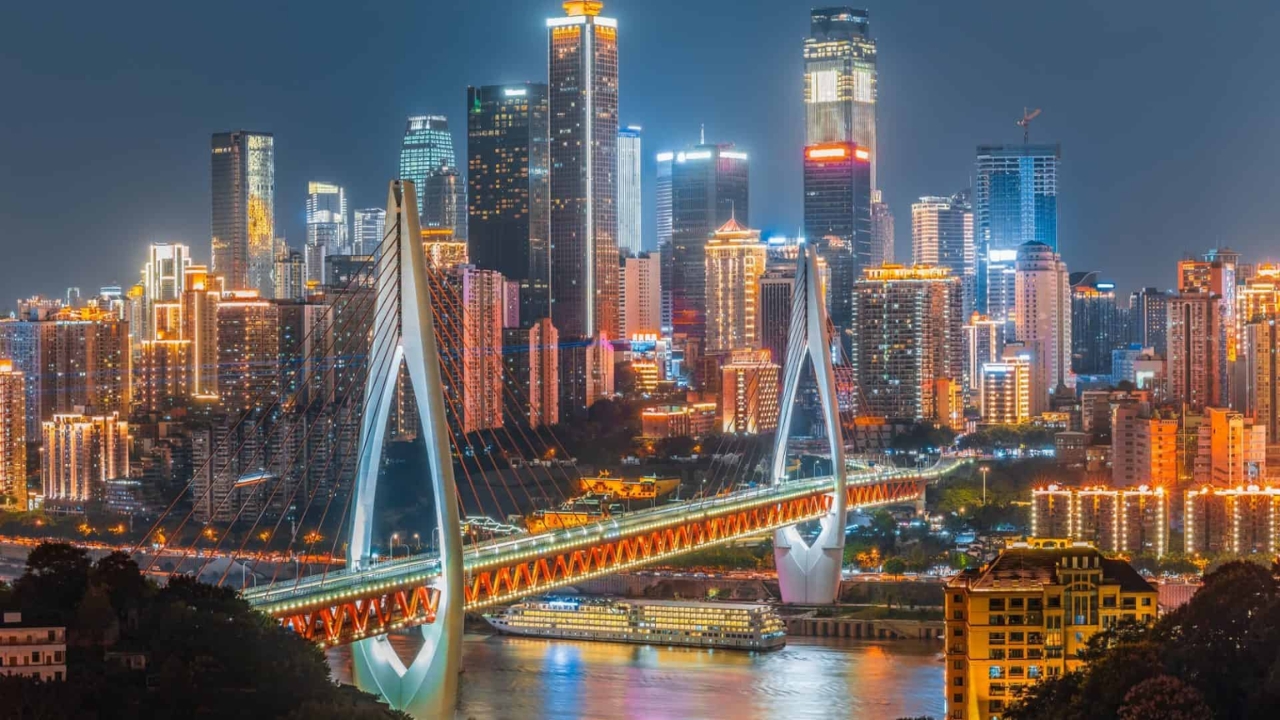
Streets emerge like bridges, buildings cross tunnels, and subway stations ascend slopes as if defying physics. Not surprisingly, Chongqing is also known as the city of “mountains and lights,” a mix that impresses any visitor.

What Makes Chongqing So Great And So Different
Unlike other Chinese megacities like Shanghai or Beijing, Chongqing has not grown merely as a continuous urban core. Since 1997, the city has been one of the four municipalities directly governed by the central government, which has given it the status equivalent to that of a province.
This means that its boundaries include dense urban areas, satellite cities, rural areas, industrial parks, and mountainous regions extending over nearly 82 thousand square kilometers. In practice, it’s as if a metropolis absorbed dozens of surrounding counties, creating a huge territory managed in a unified manner.
This model has helped boost economic development. The city has transformed into a logistical and industrial hub for inland China, connecting with the rest of the country through high-speed railways, strategic river ports, and logistical corridors that reach Europe through the so-called “New Economic Belt” of the Silk Road. This momentum has also contributed to the population explosion, with millions of people migrating for new job and study opportunities.

Chongqing has also become famous for its extreme topography. It is common for the subway to pass through buildings, for bridges to extend over 1 kilometer, and for entire neighborhoods to be distributed at different heights, varying by dozens of meters from one street to another. The experience of walking through the city resembles a blend of modern metropolis, mountainous scenery, and a sci-fi setting.
Growth, Culture, And Life In A Megacity Of 32 Million People
Life in Chongqing happens on several levels. Literally. The city was built in layers. In some neighborhoods, the ground floor of one building can be the 10th floor of the neighboring structure, such is the difference in height between the streets. The density of residential buildings is also impressive. There are towers of over 40 stories rising in every corner, often so close that they seem to form gigantic walls of concrete and glass.
The local culture also plays a fundamental role. Chongqing is the capital of spicy hot pot, one of the most famous dishes in China. Restaurants bubble late into the night, and the streets take on a characteristic aroma of pepper and spices.
At night, the city transforms into a spectacle. Thousands of buildings light up, bridges shine over the Yangtze River, and tourist boats traverse the confluence of the Jialing and Yangtze rivers, creating a view that has become known as the “New Hong Kong of the Interior.”
The weather, however, does not forgive. Chongqing is so humid and hot in the summer that it earned the nickname “furnace of China.” In winter, the city seems shrouded in fog for weeks on end, a phenomenon that creates an almost cinematic atmosphere, enhanced by buildings disappearing into the horizon.

Why Chongqing Became A Symbol Of China’s Urban Future
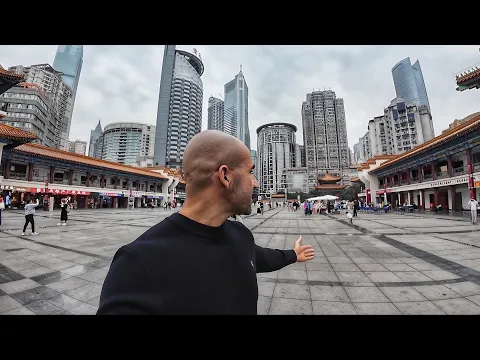
The Chinese government uses Chongqing as an example of urban, industrial, and logistical planning aimed at the interior of the country. The city has received billion-dollar investments in transportation, housing, energy, and mass mobility. Today, it boasts dozens of metro and monorail lines, elevated avenues, colossal bridges, and tunnels that traverse entire mountains.
Its technology industry is also one of the most advanced in China, especially in the automotive, electronics, robotics, and artificial intelligence sectors. International companies have settled there, attracted by the infrastructure and high-level innovation centers.
With its size, population, and economic potential, Chongqing has become an urban laboratory of the 21st century. It is a portrait of how large countries are reorganizing their megacities, expanding administrative territories, and creating gigantic hubs to sustain complex and populous economies.
Despite all this, it remains one of the largest cities on the planet that is little known by most of the Western audience, which adds to the fascination: how can a city of 32 million inhabitants still be a mystery to so many?






China é um povo superior.. não há mais dúvidas
🤔No, thanks!